Unlocking Wellness Naturally
100% Ayurvedic Treatment

.webp)
You sit down, enjoy a nice meal, maybe even treat yourself a little, and then… boom. Pain. Discomfort. Regret. Suddenly your stomach feels like it’s holding a grudge. If this sounds familiar, your gallbladder might be the drama queen behind the scenes.
Gallbladder pain after eating is more common than people think, and it usually shows up right when you’re trying to relax and enjoy your food. Rude, right? This type of pain in the upper right abdomen after meals often catches people off guard. Let’s break down why gallbladder pain happens after eating, in simple words, with a little humor to keep things easy to digest.
The gallbladder is a small, pear-shaped organ sitting quietly under your liver. Most of the time, it behaves well and doesn’t ask for attention. Its main job is to store bile, a digestive liquid made by the liver that helps break down fats and supports healthy digestion.
When you eat, especially fatty foods, your gallbladder squeezes bile into the small intestine to help with digestion. Think of it as a tiny food assistant. But when something goes wrong, gallbladder pain after meals becomes its favorite way of complaining.
Gallbladder pain after eating food usually appears because that’s when the gallbladder is most active. Eating tells it, “Hey, time to work.” If there’s a problem, that work becomes painful instead of helpful.
The pain often appears in the upper right side abdominal pain area, sometimes spreading to the back or right shoulder. Many people describe it as sharp, crampy, or a deep ache that just won’t leave. This is a classic symptom of gallbladder problems.
The most common cause of gallbladder pain after eating fatty foods is gallstones. These are hard, pebble-like lumps made from bile components. Gallstones and gallbladder pain go hand in hand because stones can block the flow of bile when the gallbladder tries to squeeze after a meal.
When bile can’t move properly, pressure builds up, and that’s when pain shows up. Fatty meals are especially good at triggering this, which is why gallbladder pain after eating pizza or fried food is such a common complaint.
Fatty foods make the gallbladder work harder than usual. Burgers, fries, creamy sauces, cheese-loaded dishes, and greasy snacks all demand extra bile. If the gallbladder is irritated or blocked, it responds with pain instead of cooperation.
This doesn’t mean fat is evil. It just means gallbladder pain after eating oily food could be a sign that your gallbladder is tired, grumpy, or not functioning properly.
Sometimes the gallbladder itself becomes inflamed, a condition known as gallbladder inflammation (cholecystitis). This often happens when gallstones repeatedly block bile flow or when the gallbladder stays under constant stress.
Inflammation can cause severe gallbladder pain after eating, along with nausea, vomiting, fever, or tenderness when you press on the abdomen. At this point, your gallbladder isn’t whispering. It’s yelling.
Biliary colic gallbladder pain is pain that comes in waves. It usually starts suddenly after eating, lasts for minutes or even hours, and then disappears like nothing happened.
This on-and-off gallbladder pain after meals can be confusing because it makes you question your food choices and then lets you feel normal again. Just because it goes away doesn’t mean the problem is gone.
Large meals can also trigger gallbladder pain after eating large meals. When you eat a heavy portion, the gallbladder squeezes harder and longer. If it’s already struggling, this extra effort leads to discomfort.
Your gallbladder prefers calm, reasonable meals. It is not a fan of surprise food festivals or overeating challenges.
Occasional discomfort might not be alarming, but recurrent gallbladder pain after eating is something you should not ignore. If pain is severe, lasts for hours, or comes with fever, yellowing of the skin, or persistent vomiting, it’s time to see a doctor.
These could be signs of serious gallbladder problems, and early treatment can prevent complications. If you want a natural treatment for gallbladder, then visit Karma Ayurveda Hospital.
Gallbladder pain after eating is usually a sign that digestion isn’t going smoothly. Whether it’s gallstones, gallbladder inflammation, or poor food choices, your body is sending a clear message.
You don’t have to live in fear of food. But you also shouldn’t ignore pain after meals on the right side of the abdomen. A healthy gallbladder means happier meals, smoother digestion, and fewer moments of lying on the couch wondering what went wrong.
And yes, sometimes the answer really is, “That extra cheesy meal was a bad idea.”
Gallbladder pain after eating is usually caused by gallstones or inflammation, especially after fatty or heavy meals.
Gallbladder pain typically starts within 30 minutes to 2 hours after eating, often in the upper right abdomen.
Fried foods, oily meals, dairy, and high-fat foods commonly trigger gallbladder pain after eating.
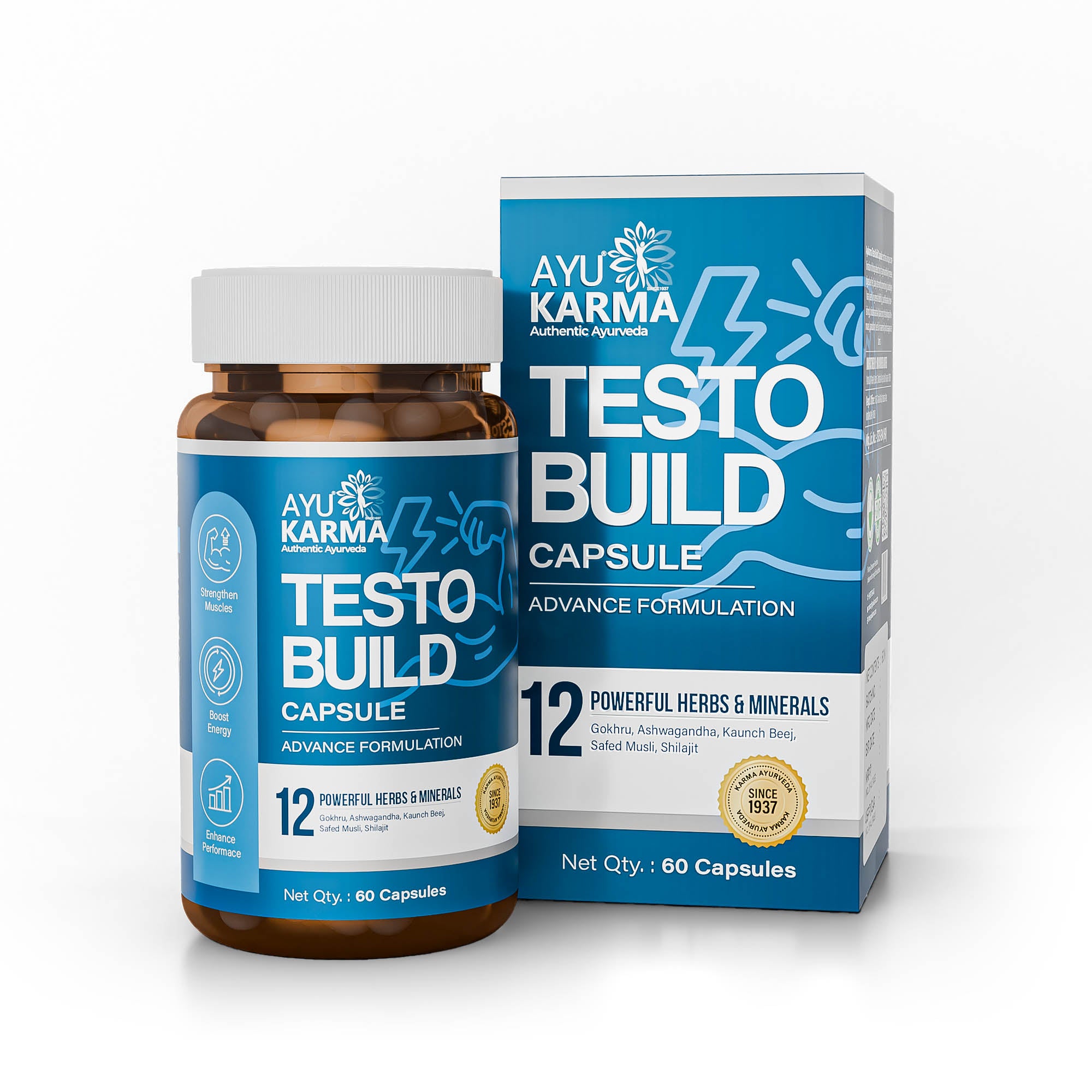
AyuKarma Testo Build Capsules combine 12 Ayurvedic herbs and minerals to support strength, energy, stamina, physical performance, nourishment and overall daily vitality.
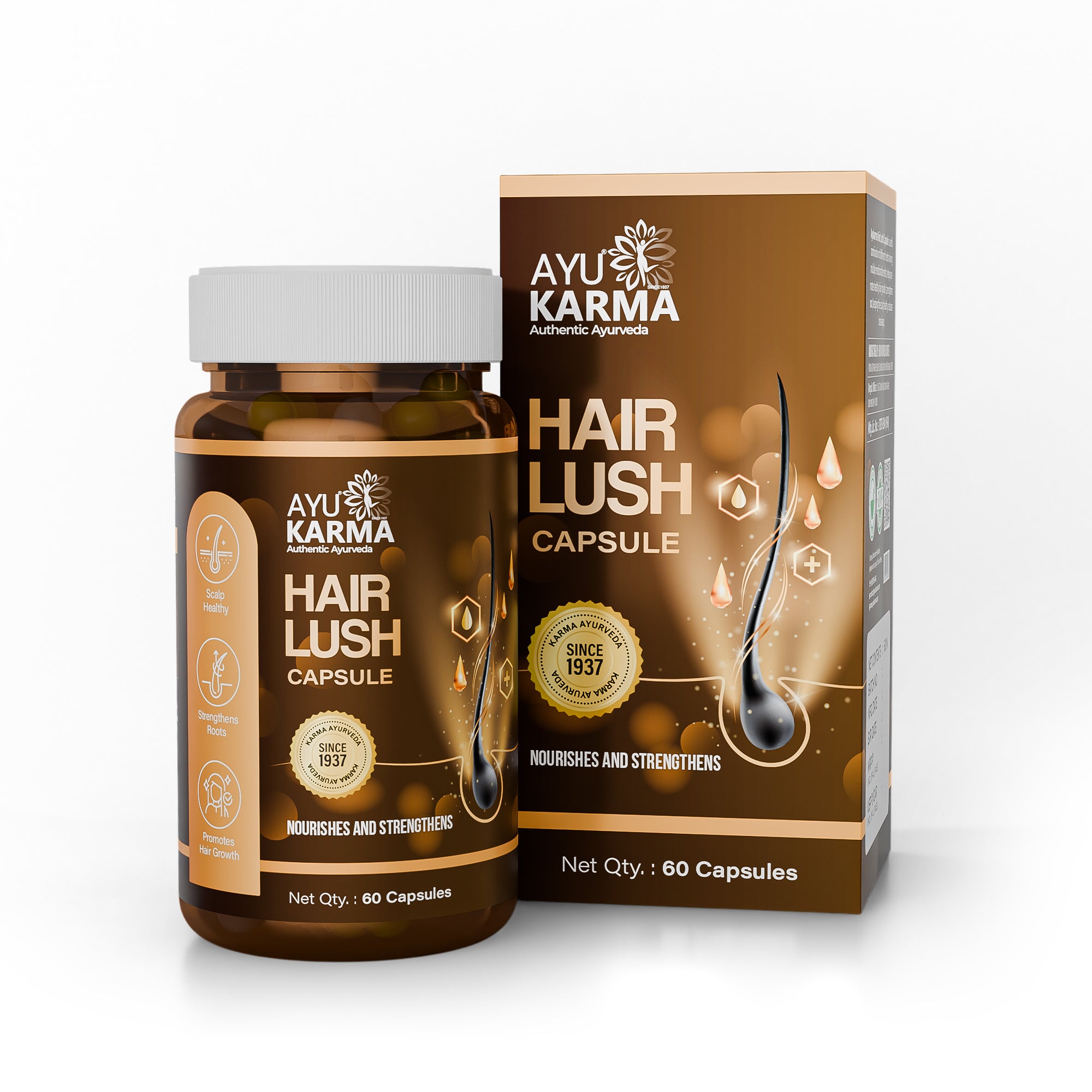
AyuKarma Hair Lush Capsules combine Ayurvedic herbs to support hair growth, reduce hair fall, strengthen roots, nourish the scalp and promote healthier-looking hair.
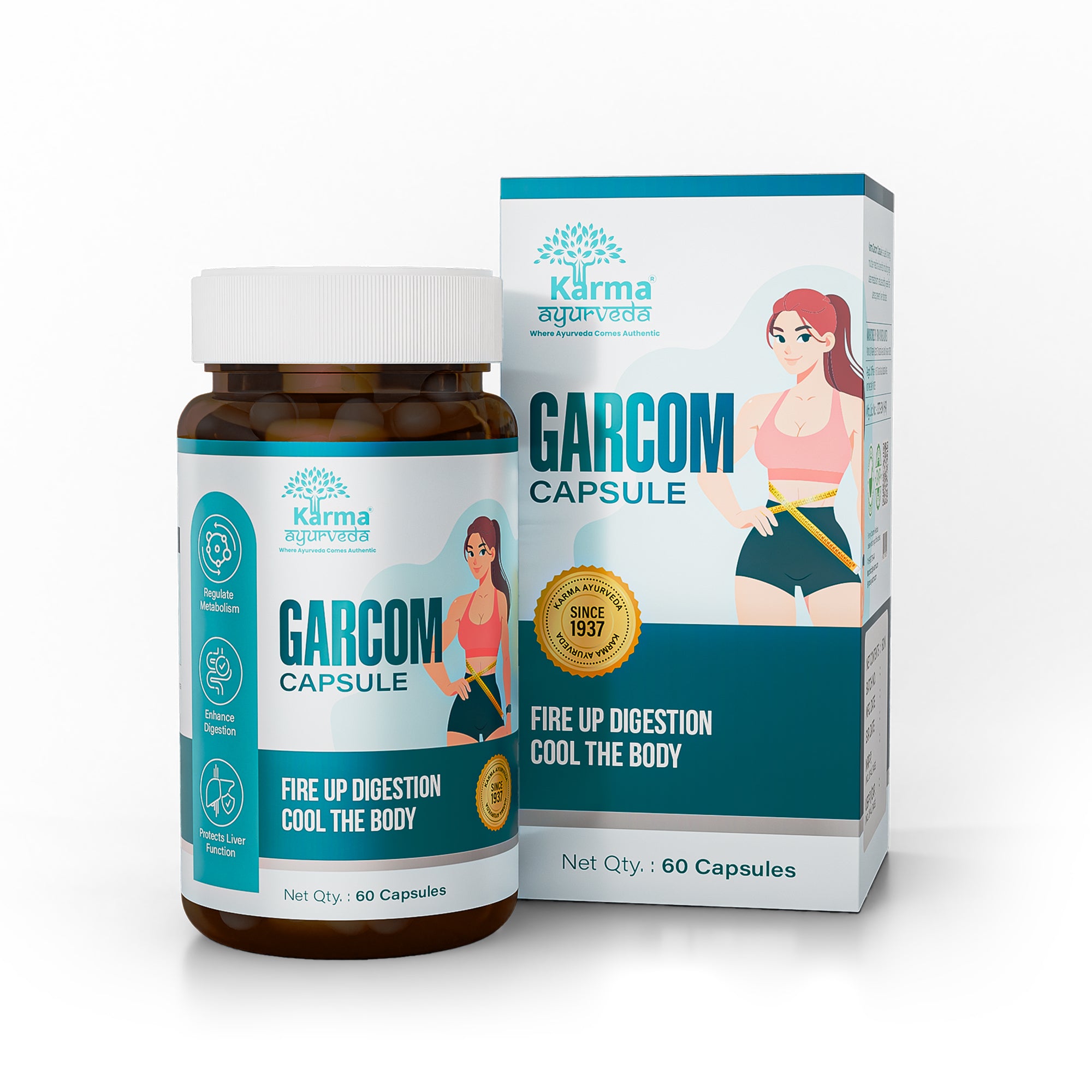
Karma Garcom Capsules contain Garcinia indica to support healthy metabolism, digestion, weight management, digestive comfort and daily wellness alongside a balanced lifestyle.
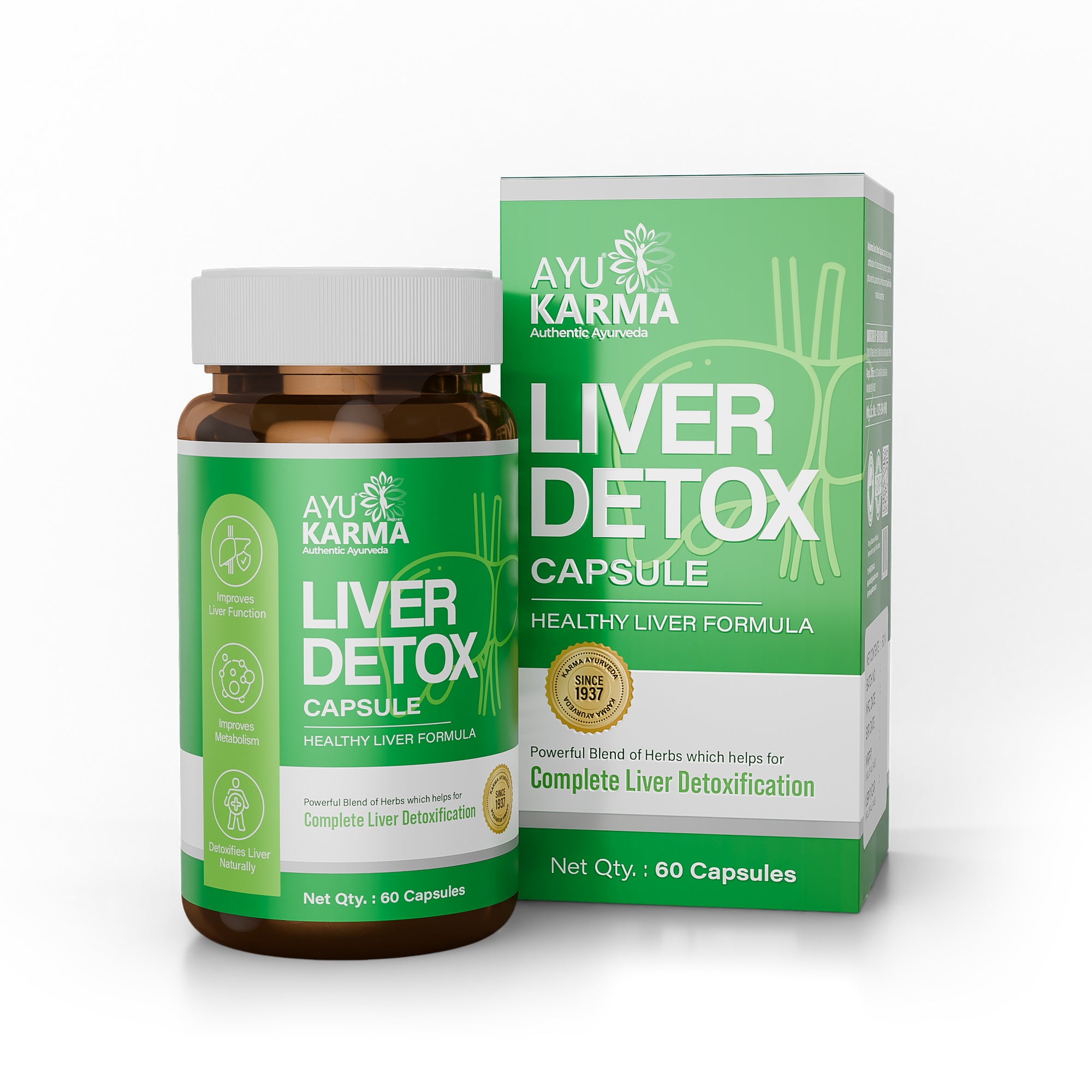
Doctor-recommended liver supplement that helps detoxify the liver, support healthy cholesterol, improve digestion & promote liver health. Developed by Dr. Puneet Dhawan with Karma Ayurveda philosophy.
Second Floor, 77, Block C, Tarun Enclave, Pitampura, New Delhi, Delhi, 110034

Certificate no- AH-2023-0186
JAN 05, 2026 - JAN 04, 2029

US FDA Reg. No.: 14568299376