Unlocking Wellness Naturally
100% Ayurvedic Treatment

.webp)
Let’s talk about gallbladder stones, also known as gallstones. Don’t worry, this is not going to be one of those scary, complicated medical lectures that make you want to lie down and rethink your life choices. We’ll keep it simple, friendly, and yes, a little funny. Because if your gallbladder is going to cause drama, we might as well talk about it with a smile.
First things first: your gallbladder is a small pouch that lives quietly under your liver. Most of the time, it behaves well and does its job without asking for attention. Its main role is to store bile, a digestive juice that helps break down fats. Sounds harmless, right? Well, sometimes this calm little organ decides to throw a tantrum, and that’s when gallbladder stones show up.
Gallstones are hard, pebble-like lumps that form inside the gallbladder. Think of them as unwanted guests who show up uninvited and refuse to leave. They can be as tiny as a grain of sand or as big as a golf ball (yes, really, your gallbladder did not sign up for that).
These stones usually form when bile has too much cholesterol or waste material, or when the gallbladder doesn’t empty properly. When things get thick and sticky inside, stones start forming. Basically, your bile gets lazy and decides to turn into rocks.
Many people searching for gallbladder stones natural treatment or Ayurvedic treatment for gallstones first want to understand why these stones form in the first place and honestly, that’s a smart move.
Here’s the tricky part: many people have gallstones and don’t even know it. These are called “silent stones,” and they’re about as dramatic as a sleeping cat. No symptoms, no pain, no warning signs.
But when gallbladder stones symptoms do show up, oh boy, you’ll know.
One of the most common symptoms is pain in the upper right side of the belly. This pain can feel sudden and sharp, like someone flipping a switch. It often shows up after eating, especially if the meal was greasy or heavy. Your gallbladder does not appreciate cheeseburgers as much as you do.
The pain may spread to your back or right shoulder. This is your body’s way of saying, “Something is not right, and I’d like you to pay attention now.” The pain can last from a few minutes to several hours, which is long enough to cancel plans and regret dinner choices.
Nausea and vomiting often join the party. If your stomach starts feeling upset for no clear reason, your gallbladder might be the troublemaker behind the scenes. Bloating and indigestion are also common, making you feel uncomfortably full even if you didn’t eat much.
In more serious cases, gallstones can cause fever, chills, or yellowing of the skin and eyes. This usually means there’s a blockage, and it’s time to see a doctor—no toughing it out. Even people exploring natural treatment for gallbladder stones should treat these warning signs seriously.
Gallbladder stones don’t just appear out of nowhere. They usually form because of a mix of lifestyle habits, body chemistry, and plain bad luck.
Because of these causes, many people look toward Ayurvedic treatment for gallbladder stones, which focuses on improving digestion, bile balance, and overall gut health through natural treatment approaches.
Occasional mild discomfort might not mean much, but repeated pain, especially after meals, should not be ignored. If gallbladder stones symptoms keep returning or get worse, it’s best to get checked. Gallstones don’t magically disappear on their own, no matter how much you ignore them.
The good news is that gallbladder stones treatment is very effective. Many people live perfectly normal lives after managing them. Some opt for medical or surgical options, while others explore natural treatment for gallstones or supportive Ayurvedic treatment, depending on the severity and symptoms.
And yes, in some cases, the gallbladder can even be removed without causing long-term problems. It turns out you can live just fine without this moody little organ.
Gallbladder stones may be small, but they sure know how to cause big discomfort. Understanding the symptoms and causes can help you spot trouble early and take action before things get worse.
Listen to your body, especially when it starts complaining after meals. Whether you choose medical care or explore Ayurvedic treatment for gallstones, timely attention makes all the difference.
And remember, if your gallbladder starts acting like a diva, you’re not alone, it’s done this to millions of people before. Take care of your body, eat sensibly, and maybe go easy on that extra cheese. Your gallbladder will thank you.
Gallbladder stones are hard deposits made from bile that form inside the gallbladder.
Gallbladder stones form due to excess cholesterol, poor bile flow, or digestive imbalance.
Common symptoms include upper abdominal pain, nausea, bloating, and indigestion after meals.
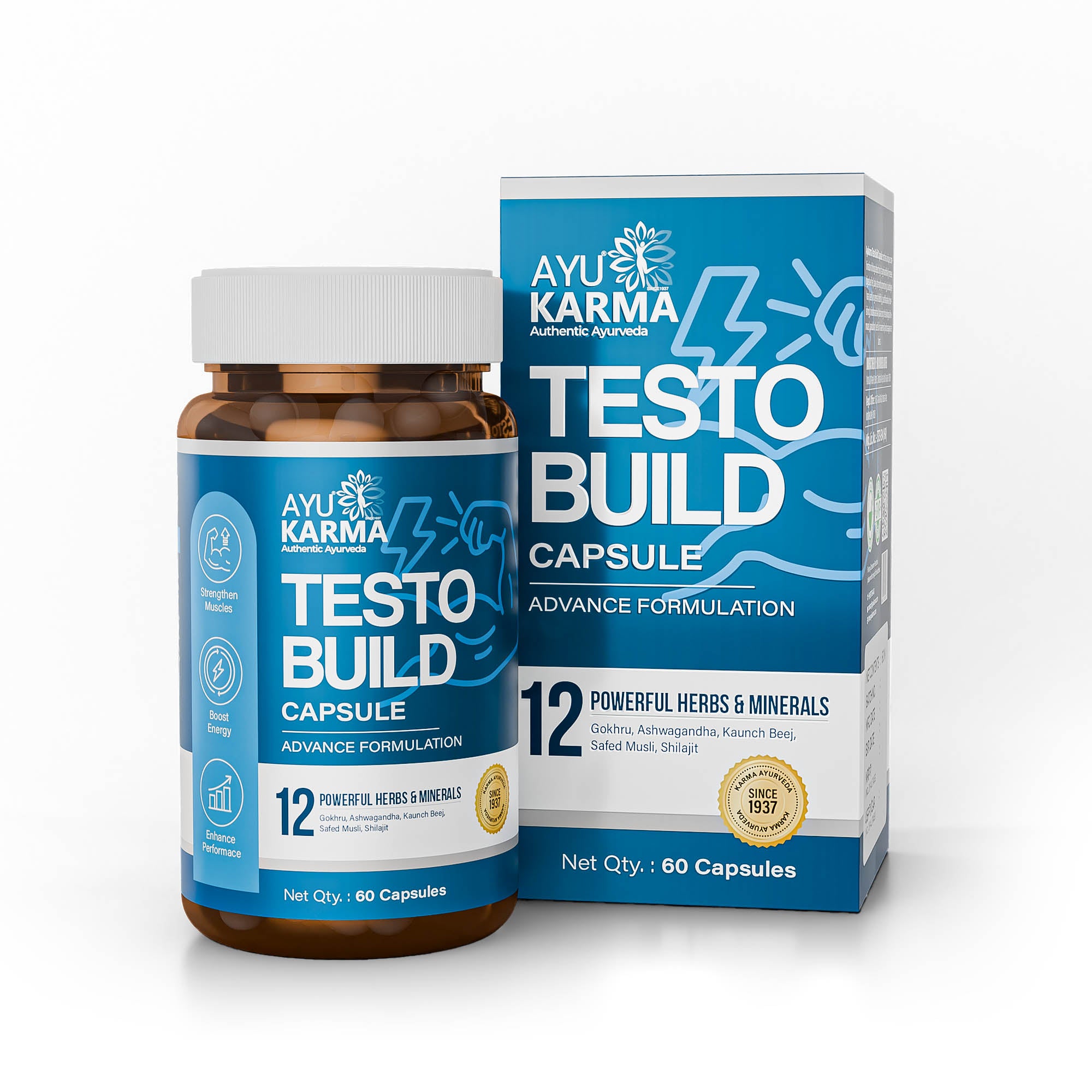
AyuKarma Testo Build Capsules combine 12 Ayurvedic herbs and minerals to support strength, energy, stamina, physical performance, nourishment and overall daily vitality.

AyuKarma Hair Lush Capsules combine Ayurvedic herbs to support hair growth, reduce hair fall, strengthen roots, nourish the scalp and promote healthier-looking hair.
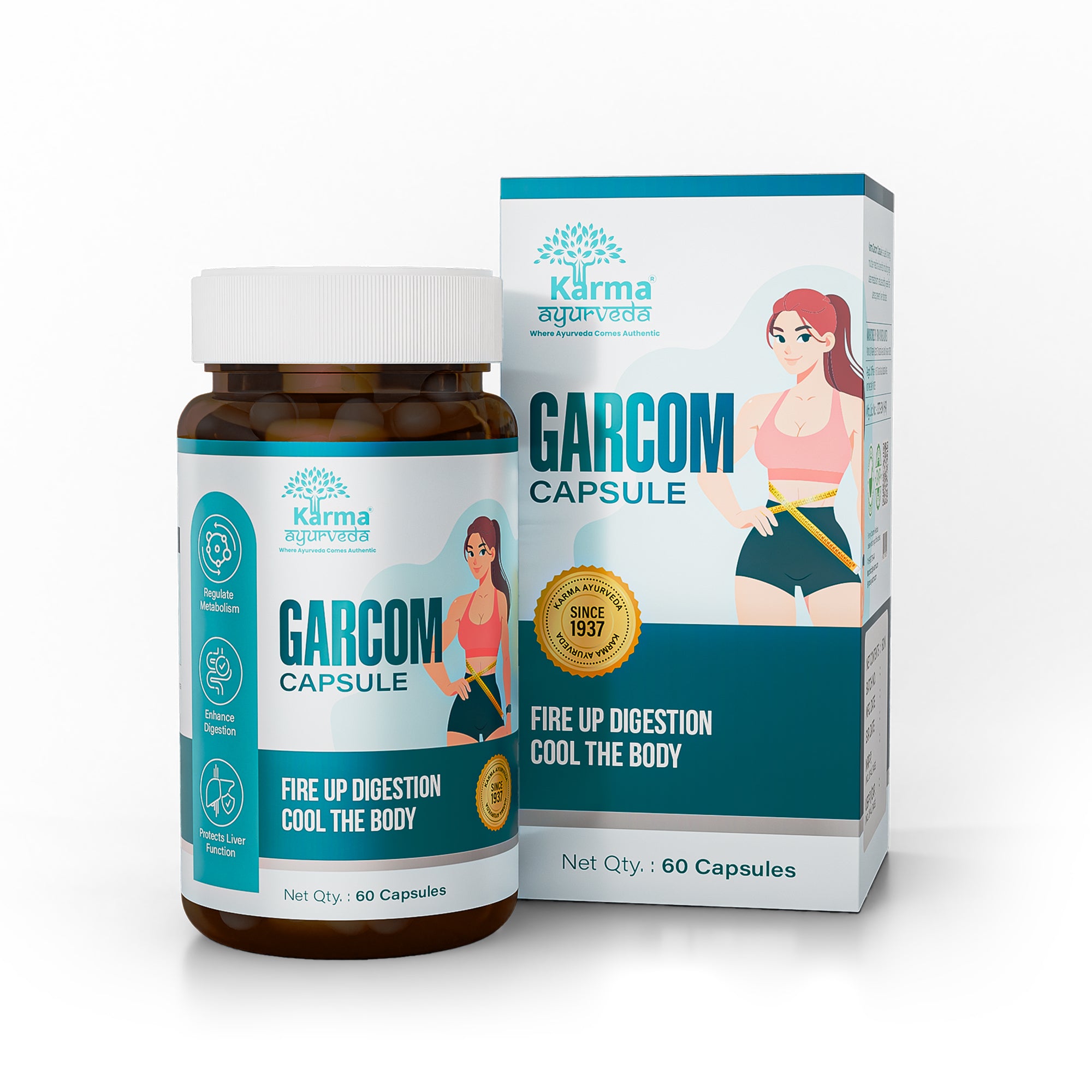
Karma Garcom Capsules contain Garcinia indica to support healthy metabolism, digestion, weight management, digestive comfort and daily wellness alongside a balanced lifestyle.
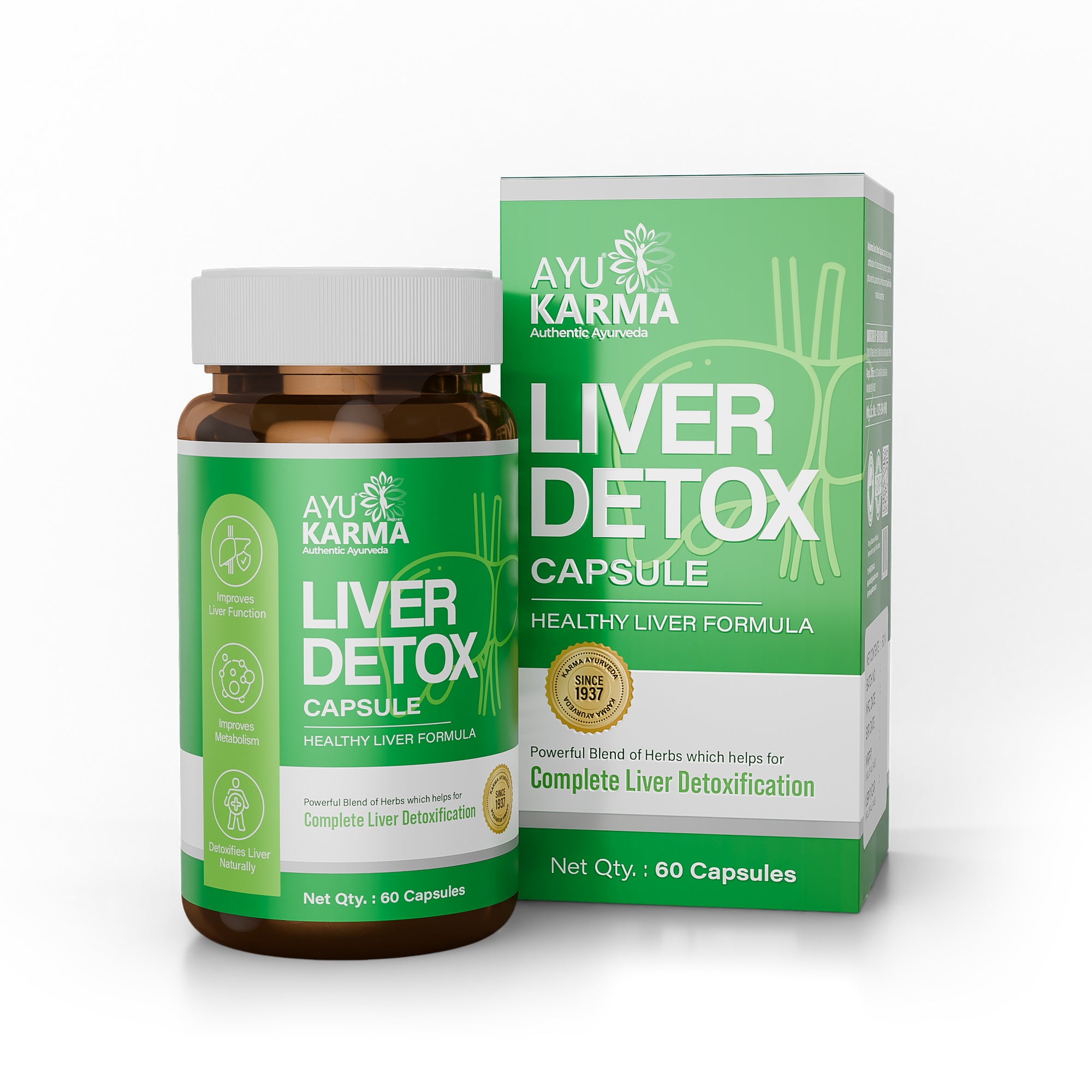
Doctor-recommended liver supplement that helps detoxify the liver, support healthy cholesterol, improve digestion & promote liver health. Developed by Dr. Puneet Dhawan with Karma Ayurveda philosophy.
Second Floor, 77, Block C, Tarun Enclave, Pitampura, New Delhi, Delhi, 110034

Certificate no- AH-2023-0186
JAN 05, 2026 - JAN 04, 2029

US FDA Reg. No.: 14568299376