Unlocking Wellness Naturally
100% Ayurvedic Treatment

Parkinson's disease does not arrive with loud music and flashing lights. There is no grand announcement. No dramatic entrance. Instead, it tiptoes in like a very quiet guest who forgot to knock. Most people don’t even realize it’s there at first. They just think, “Huh, that’s odd.” And then they move on with life.
That’s what makes Parkinson’s disease symptoms so tricky. It starts slowly. Very slowly. Slow enough to hide in plain sight.
Parkinson’s disease is a neurological disorder that affects movement. It happens when certain brain cells slowly stop working the way they should. These cells are responsible for making dopamine, a chemical that helps your body move smoothly.
When dopamine levels drop, movements become slower, stiffer, and less coordinated. But this does not happen overnight. Parkinson’s disease progression is patient. Almost too patient.
In the beginning, early symptoms of Parkinson’s disease are often small, random, and easy to ignore. People usually blame stress, aging, or “just one of those days.”
Some early changes may include:
At this stage, many people don’t think “disease.” They think “I need more sleep” or “I’m getting older.” Which, to be fair, is a very human thing to think.
One of Parkinson’s disease’s favorite tricks is starting on just one side. One hand trembles. One arm feels stiff. One leg drags a bit.
This makes it even harder to notice. After all, everyone has a “bad side,” right? You might think your dominant hand is just tired or your shoulder slept wrong. Parkinson’s disease quietly nods and stays hidden.
Here’s the surprising part. Parkinson’s disease can start long before movement changes appear. The early signs may have nothing to do with shaking or walking.
Some people notice:
These symptoms seem unrelated. They don’t scream “brain disorder.” They whisper “life is annoying right now.”
Interestingly, many people exploring natural treatment for Parkinson’s disease or Ayurvedic treatment for Parkinson’s disease begin looking for answers during this stage, even before a formal diagnosis.
Parkinson’s disease develops over many years. Brain cells don’t fail all at once. They gradually slow down and stop working one by one.
The brain is also very good at compensating. It finds ways to work around problems, like a very determined office team covering for a coworker who keeps calling in sick. Symptoms only appear when the brain can no longer hide the changes.
By the time noticeable Parkinson’s disease symptoms show up, the process has often been going on quietly for a long time.
Another reason Parkinson’s disease sneaks in is because people adjust their habits.
You might:
These changes happen slowly, so they feel normal. The body adapts. The brain adapts. Life goes on.
Many patients later combine medical care with ayurvedic treatment for Parkinson’s disease or supportive natural treatment approaches to help manage daily challenges. if you are interested in completely natural treatment for Parkinson’s, then visit Karma Ayurveda Hospital at the earliest.
Most people see a doctor when Parkinson’s disease symptoms start interfering with daily life. Maybe the tremor is more obvious. Maybe walking feels harder. Maybe getting dressed takes too long.
At this point, the signs are clearer. But the disease didn’t suddenly appear. It’s just finally visible. And no, noticing it late does not mean someone did something wrong. Parkinson’s disease is simply very good at hiding.
Not necessarily. Parkinson’s disease progression affects everyone differently. Some people experience very slow changes over many years. Others may notice symptoms progress more quickly.
The good news is that Parkinson’s disease treatment options can help manage symptoms very effectively. Medications, therapy, exercise, lifestyle changes, and even natural treatment for Parkinson’s disease can all play supportive roles. Early diagnosis helps, but even later diagnosis still allows for meaningful treatment.
Parkinson’s disease doesn’t rush. It waits. It blends into everyday life. It pretends to be stress, aging, or clumsiness. That’s why awareness matters.
If something feels off for a long time, it’s okay to ask questions. It’s okay to check. Listening to your body is never overreacting.
Sometimes the biggest changes start with the smallest signs. And noticing them early can make the journey a little easier; especially when the right medical care and Ayurvedic treatment for Parkinson’s disease work hand in hand.
Parkinson’s disease usually starts with mild symptoms like slight tremors, stiffness, or slow movement that gradually worsen over time.
Early signs of Parkinson’s disease include hand tremors, muscle rigidity, balance problems, and changes in walking or posture.
Yes, Parkinson’s disease progresses slowly in most people, with symptoms developing gradually over several years.

AyuKarma Testo Build Capsules combine 12 Ayurvedic herbs and minerals to support strength, energy, stamina, physical performance, nourishment and overall daily vitality.

AyuKarma Hair Lush Capsules combine Ayurvedic herbs to support hair growth, reduce hair fall, strengthen roots, nourish the scalp and promote healthier-looking hair.

Karma Garcom Capsules contain Garcinia indica to support healthy metabolism, digestion, weight management, digestive comfort and daily wellness alongside a balanced lifestyle.
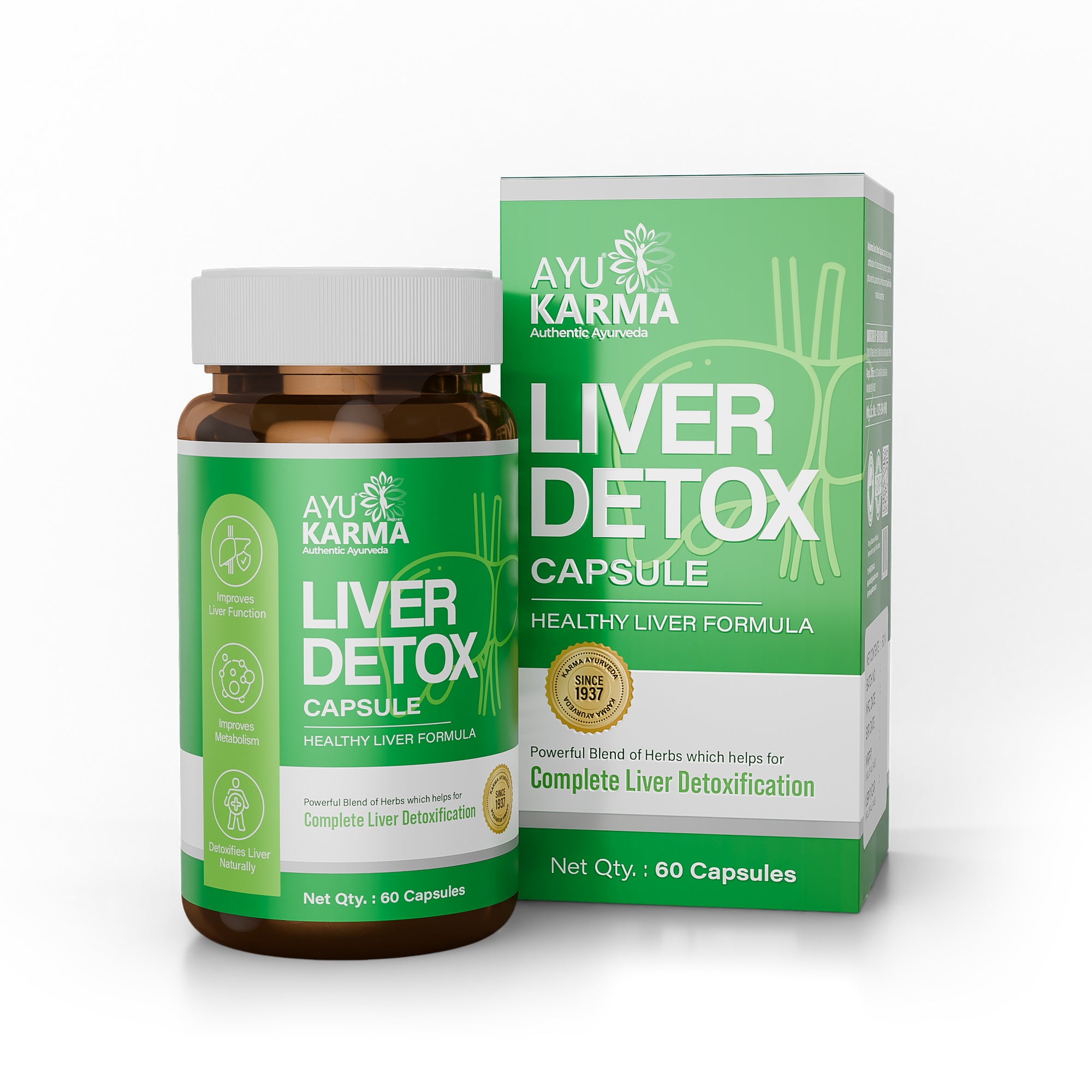
Doctor-recommended liver supplement that helps detoxify the liver, support healthy cholesterol, improve digestion & promote liver health. Developed by Dr. Puneet Dhawan with Karma Ayurveda philosophy.
Second Floor, 77, Block C, Tarun Enclave, Pitampura, New Delhi, Delhi, 110034

Certificate no- AH-2023-0186
JAN 05, 2026 - JAN 04, 2029

US FDA Reg. No.: 14568299376