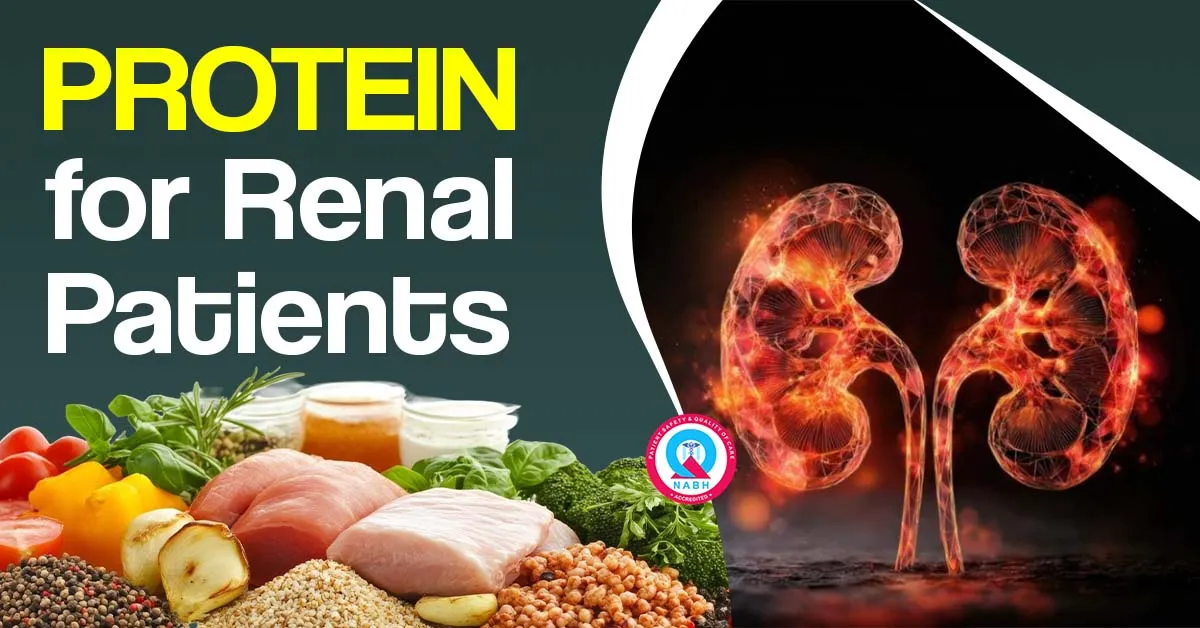
If you or someone in your family has kidney disease, chances are you’ve heard this sentence at least once: “Reduce the protein”
And then confusion begins.
Suddenly, protein becomes the villain of the story. Eggs look suspicious. Dal feels guilty. Paneer is treated like it committed a crime. People start asking scary questions like, “Can I even eat roti?” and “Is breathing allowed?”
Relax. Protein is not the enemy. It’s more like that friend who is very helpful but needs clear boundaries.
Let’s talk about protein for renal patients in a way that actually makes sense, especially for those exploring natural treatment for kidney disease alongside medical care.
First, What Is Protein and Why Do We Even Need It?
Protein is basically the body’s building material.
Muscles, skin, hair, hormones, immunity; protein does a lot of heavy lifting behind the scenes. Think of protein as the repair worker of your body. Whenever something breaks, protein shows up with a toolbox.
Now here’s the catch.
When protein is broken down in the body, it creates waste products. Normally, healthy kidneys quietly filter out this waste and send it out through urine. No drama.
But when kidneys are weak or damaged, they struggle to clear this waste. The waste builds up, and that’s when problems start. This is where kidney disease Ayurvedic treatment often focuses on improving digestion and waste removal together.
So, the issue is not protein itself. The issue is how well your kidneys can handle it.
Why Renal Patients Are Told to Be Careful with Protein
For kidney patients, protein intake is like water in a bucket with a crack. Too much too fast, and it spills over. Excess protein increases:
- Urea and creatinine levels
- Pressure on kidneys
- Symptoms like nausea, weakness, and poor appetite
That’s why doctors often recommend a low protein diet for kidney disease. But low protein does NOT mean no protein.
Completely cutting protein is actually worse. Without protein, the body starts breaking down its own muscles. That leads to weight loss, weakness, low immunity, and delayed healing.
So, the real goal is balance, especially when planning protein intake for kidney patients.
How Much Protein Does a Renal Patient Need?
This is the question everyone asks: how much protein for kidney patients is actually safe?
The honest answer is… it depends. Protein needs depend on:
- Stage of kidney disease
- Body weight
- Age
- Whether the patient is on dialysis or not
In early stages of CKD, protein restriction is usually mild. In advanced stages (but not on dialysis), protein is reduced more carefully. On dialysis, protein needs actually increase because dialysis removes protein from the body.
Yes, kidneys are confusing. They like to keep us alert. This is why protein planning should always be personalized and supervised by a professional familiar with kidney care.
Good Protein vs Bad Protein
Not all proteins behave the same way in the body.
Some proteins create more waste. Some are easier on the kidneys. Some come with unwanted extras like phosphorus and potassium. In simple words, the best protein for renal patients should:
- Be easy to digest
- Produce less waste
- Come in controlled portions
Plant-based options are often gentler, while animal proteins need stricter limits. This balance is often emphasized in Ayurvedic treatment for kidneys, where digestion plays a key role.
Common Protein Sources and How Renal Patients Should View Them
Let’s talk about everyday protein foods for kidney patients.
- Dal and pulses are common in Indian meals. They are healthy but protein-rich, so portion control is essential. Eating dal is fine; bathing in it daily is not.
- Milk and curd provide good-quality protein but also contain phosphorus. Small amounts are usually allowed, depending on reports.
- Paneer and cheese are high in protein and phosphorus, so they require caution. These are occasional foods, not daily staples.
- Eggs are interesting. Egg whites are a better option than whole eggs because they give protein with less phosphorus. The yolk, unfortunately, causes more trouble.
- Chicken and fish offer high-quality protein but increase waste load. They’re usually allowed in limited amounts.
Protein supplements should never be taken without expert advice. Most are designed for gym bodies, not kidney bodies.
What Happens If a Renal Patient Eats Too Little Protein?
This part often gets ignored. Too little protein can cause:
- Muscle loss
- Weakness and fatigue
- Poor wound healing
- Higher infection risk
The body doesn’t adjust politely. It simply takes protein from muscles to survive. So, avoiding protein completely is like locking all doors because one window is broken.
Protein and Dialysis: A Completely Different Story
For patients on dialysis, protein rules flip completely. Dialysis removes waste, but it also removes protein. That means these patients often need more protein, not less.
Many people don’t realize this and continue eating very little protein, leading to weakness and weight loss. Here, protein is essential for strength and recovery, just with careful planning.
Why Self-Dieting Is a Bad Idea for Kidney Patients
Google is great for recipes, not kidney diets.
Two people with kidney disease can have completely different protein needs. Blindly following random diets can worsen damage instead of helping.
Protein planning must consider lab reports, digestion, and overall health. Guesswork has no place here.
The Role of Ayurveda in Protein Balance
Ayurveda looks at kidney disease through digestion, metabolism, and toxin buildup. The focus is on helping the body use nutrients efficiently, even in smaller amounts.
This is why Ayurvedic treatment for kidneys does not blindly increase or decrease protein. It supports digestion so limited protein still nourishes the body without burdening the kidneys. At institutions like Karma Ayurveda Hospital, this balanced approach is carefully planned under expert guidance, including insights shared by Dr. Puneet Dhawan.
Final Thoughts: Don’t Fear Protein, Understand It
Protein is not the villain in kidney disease. Overdoing it is.
Underdoing it is also a problem. For renal patients, protein should be:
- Measured, not guessed
- Planned, not avoided
- Personalized, not copied
A calm, balanced diet works better than fear-based eating. Food should support healing, not anxiety. Protein is medicine when used wisely; and poison only when misunderstood.
And no, you don’t have to say goodbye to all your favorite foods forever. You just have to be smarter than them.
FAQ
FAQ 1: Is protein safe for renal patients?
Yes, protein is important for renal patients, but the amount should be controlled to avoid extra stress on the kidneys.
FAQ 2: How much protein should kidney patients eat daily?
The protein requirement depends on the stage of kidney disease and should be decided by a doctor or dietitian.
FAQ 3: Which protein is best for renal patients?
High-quality proteins like egg whites, paneer (in limits), and plant-based sources are usually better for kidney patients.