Unlocking Wellness Naturally
100% Ayurvedic Treatment

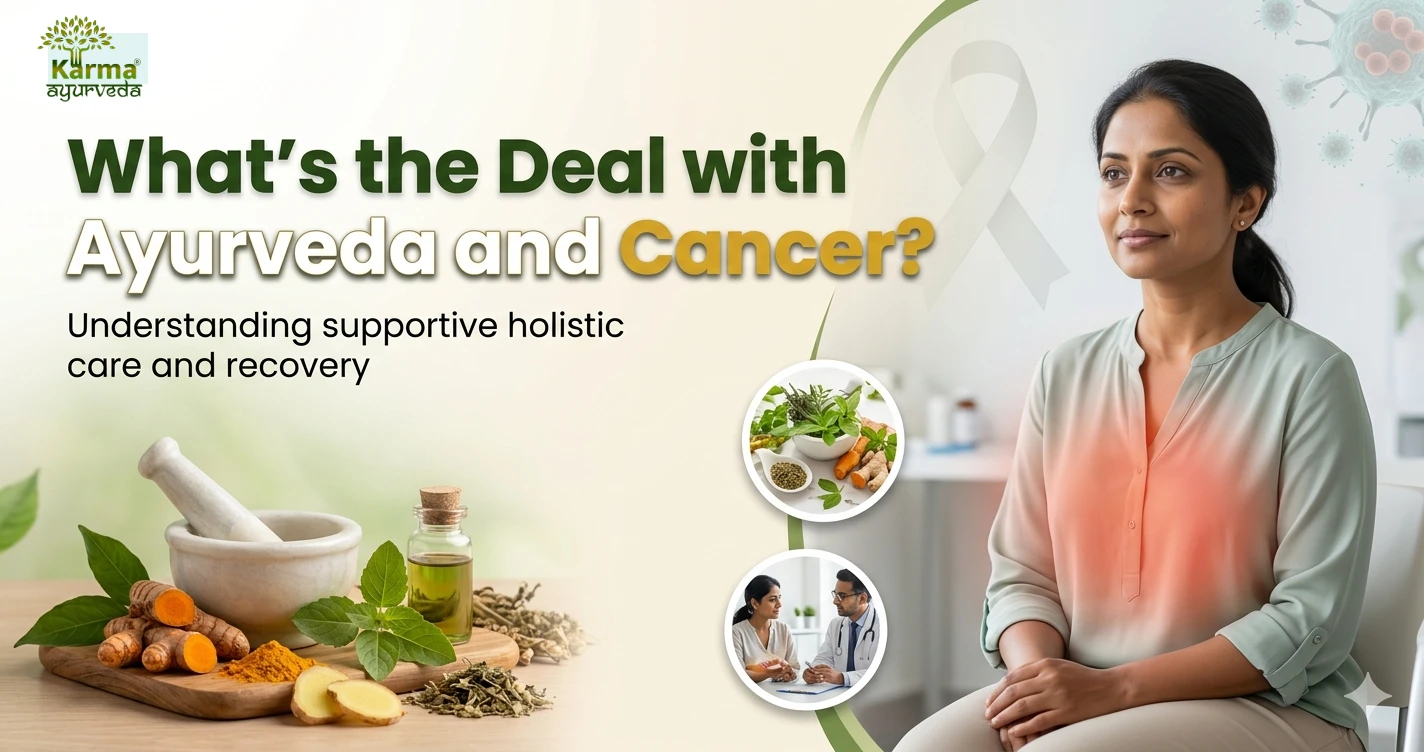
Let’s be honest: when the word "cancer" enters a conversation, the room usually goes quieter than a library during finals week. It’s scary, it’s heavy, and it’s the ultimate uninvited guest. But while modern medicine is busy with its high-tech lasers and microscopic precision, there’s an old friend; about 5,000 years old, give or take; called Ayurveda that’s been waving its hand in the back of the class saying, "Hey, I’ve got some thoughts on this!"
Now, before we dive into the herbs and the healing, let’s clear the air. If anyone tells you that rubbing a magic leaf on your arm will make a tumor vanish instantly, they’re probably selling you a bridge in the desert. However, Ayurvedic treatment for cancer isn't about replacing your oncologist; it’s about being the ultimate "wingman" for your body while it goes through the fight of its life.
In the world of Ayurveda, cancer isn't just a "thing" that happens; it’s seen as a major "oopsie" in the body’s internal balance. Think of your body like a high-end smartphone. When everything is in sync, the apps run fast, and the battery lasts. But when the "Doshas" (your internal energies: Vata, Pitta, and Kapha) get out of whack, the system starts glitching.
Ayurveda refers to these growths as Arbuda or Granthi. The goal isn't just to "kill" the bad cells but to fix the "software" so the bad cells don't want to live there anymore. It’s like cleaning up a messy room so the ants decide to move out on their own.
Ayurveda has a spice cabinet that would make a Michelin-star chef weep with joy. But these aren't just for flavor; they are biological powerhouses.
When you look into holistic cancer support, these herbs are the frontline soldiers helping to keep your healthy cells strong while the "heavy hitters" of modern medicine do their thing.
If you’re looking for where the ancient scrolls meet modern-day success stories, you’ll likely hear the name Karma Ayurveda Hospital. They’ve been in the game since 1937, which is older than most of our grandparents' favorite jokes.
At the helm is Dr. Puneet Dhawan, a man who has dedicated his life to showing that Ayurveda isn't just about drinking bitter tea; it’s a precise science of lifestyle, diet, and herbal wisdom. Whether it’s managing the grueling side effects of chemotherapy or helping the body detox after a long round of meds, the approach here is all about the "human" side of healing. They focus on integrative oncology; the fancy way of saying "let's use everything we've got to help you get better."
Let’s talk about the "Big D": Diet. In Ayurveda, food is medicine. If you’re fighting cancer while eating nothing but microwave burritos, your body is essentially trying to win a marathon while wearing flip-flops.
Natural cancer therapy emphasizes Sattvic foods; fresh, organic, and easy to digest. Why? Because your body needs every ounce of energy to heal, not to spend six hours trying to process a triple-bacon cheeseburger. It’s about fueling the fire (Agni) so your metabolism can burn through toxins like a hot knife through butter.
We often forget that the brain is part of the body. Stress is like pouring gasoline on a fire. Ayurveda uses meditation, Pranayama (breathing exercises), and a "don’t sweat the small stuff" philosophy to lower cortisol levels. A calm mind tells the body, "Hey, we’re safe, you can focus on repairing the cells now."
Is there a 100% "cure" in a bottle? Science says we’re still working on that. But is there a way to make your body a fortress, improve your quality of life, and fight back with the wisdom of the ages? Absolutely. Whether you are looking for Ayurvedic herbs for immunity or a full-scale lifestyle overhaul, the ancient ways have a lot of "I told you so" moments waiting for you.
So, take a deep breath, eat your greens, and maybe give your local Ayurvedic expert a call. Your body will thank you, and who knows? You might even start liking the taste of turmeric tea. (Okay, that last one might be a stretch, but it's worth it!)
Yes! In fact, many people use it to manage the side effects like nausea and fatigue. Just make sure your doctors are all talking to each other so everyone is on the same page.
Generally, a warm, fresh, and plant-based diet is recommended. Avoid "dead" foods (processed/canned) and focus on things that give your body life and energy.
Ayurveda is a marathon, not a sprint. While some feel better in weeks, it’s about long-term healing and rebuilding your body’s foundation from the ground up.
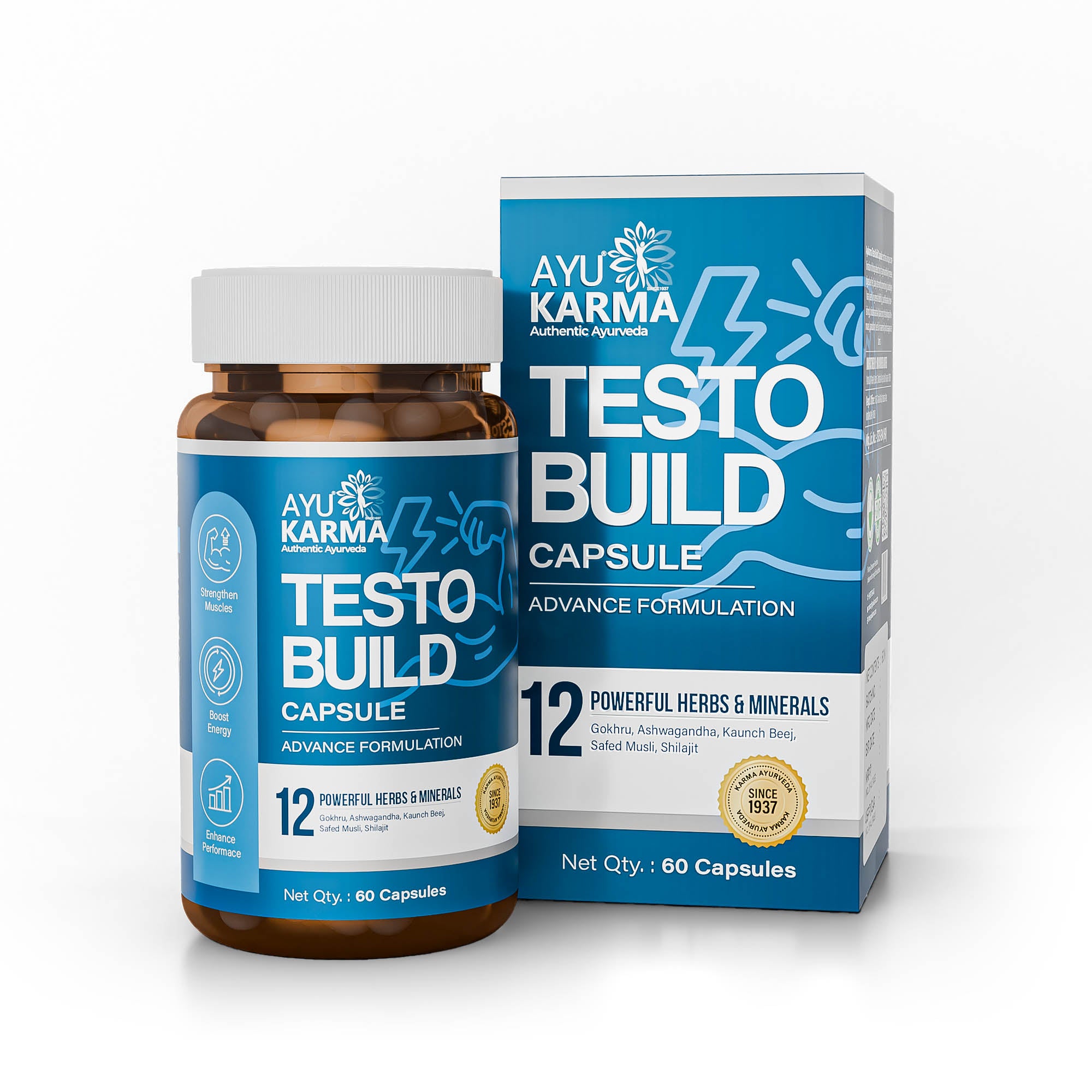
AyuKarma Testo Build Capsules combine 12 Ayurvedic herbs and minerals to support strength, energy, stamina, physical performance, nourishment and overall daily vitality.

AyuKarma Hair Lush Capsules combine Ayurvedic herbs to support hair growth, reduce hair fall, strengthen roots, nourish the scalp and promote healthier-looking hair.
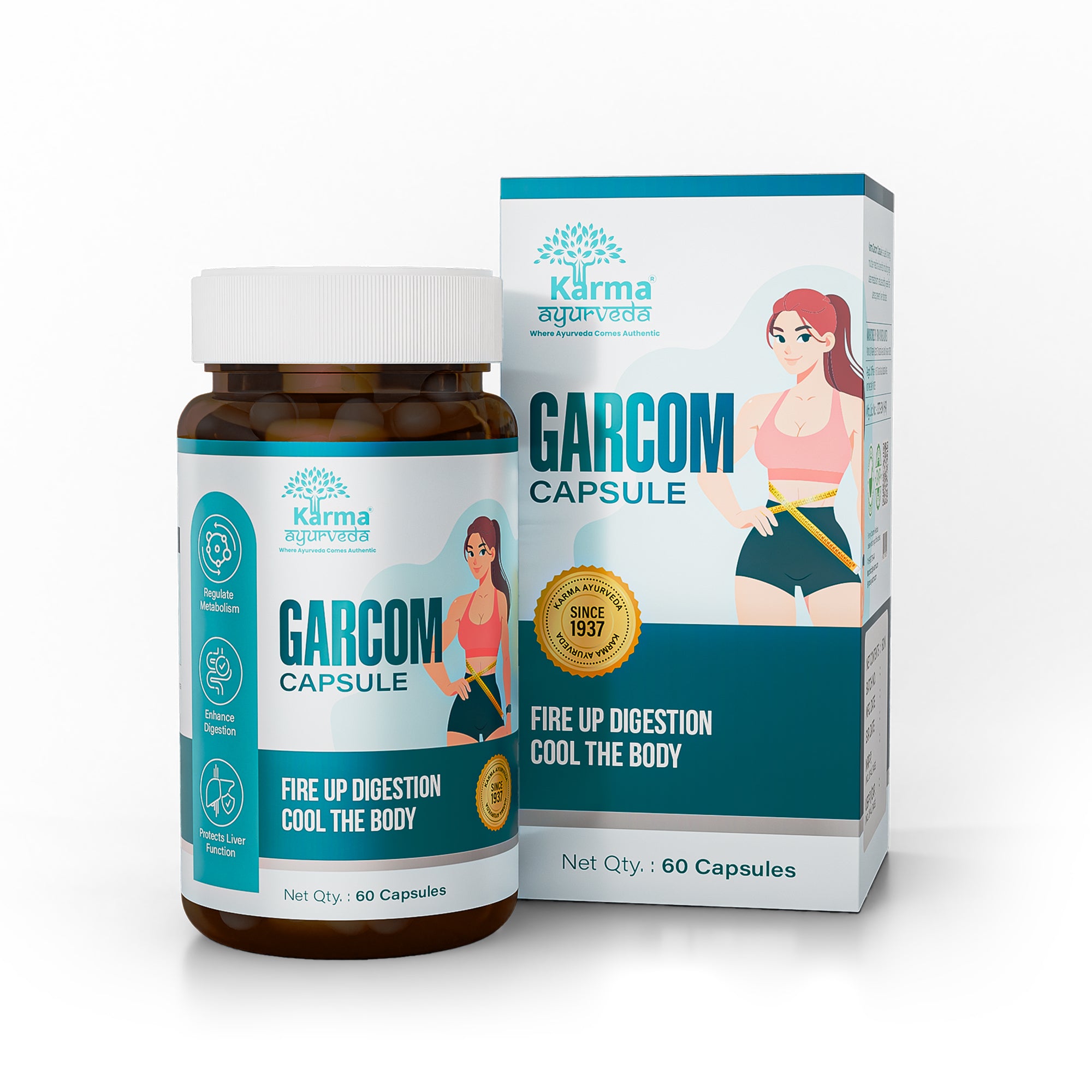
Karma Garcom Capsules contain Garcinia indica to support healthy metabolism, digestion, weight management, digestive comfort and daily wellness alongside a balanced lifestyle.
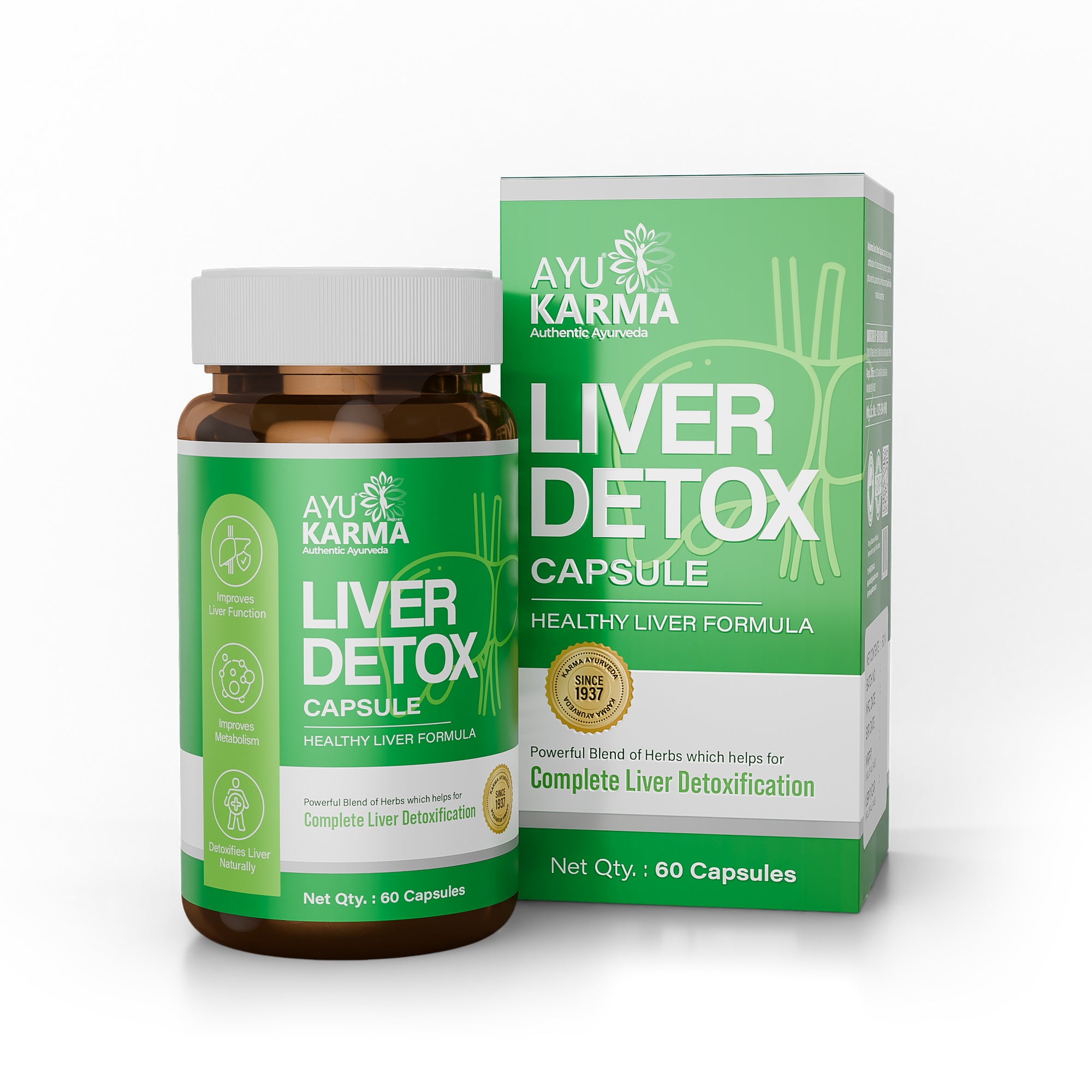
Doctor-recommended liver supplement that helps detoxify the liver, support healthy cholesterol, improve digestion & promote liver health. Developed by Dr. Puneet Dhawan with Karma Ayurveda philosophy.
Second Floor, 77, Block C, Tarun Enclave, Pitampura, New Delhi, Delhi, 110034

Certificate no- AH-2023-0186
JAN 05, 2026 - JAN 04, 2029

US FDA Reg. No.: 14568299376