Unlocking Wellness Naturally
100% Ayurvedic Treatment

.webp)
Have you ever walked into a room and completely forgotten why you went there? Or opened your phone, stared at it, and thought, “What was I about to do again?” If yes, welcome to the club. Membership increases every year, and birthdays are the entry tickets.
Memory loss with age is real, common, and most of the time not a sign that your brain has decided to retire early. In fact, age-related memory loss is a normal part of brain aging, not a failure of intelligence. Let’s talk about why it happens, what’s normal, and why you don’t need to panic every time you forget where you put your keys (again).
Think of your brain as a smartphone. When it’s brand new, everything is fast. Apps open instantly. You can remember names, numbers, and passwords without breaking a sweat.
Now imagine that same phone after years of use. It still works, but it’s slower. Too many apps are open. Storage is almost full. The battery drains faster. Nothing is “wrong”; it’s just been used a lot. That’s exactly what happens to the brain as we age and experience normal memory changes.
Over time, brain cells don’t communicate as quickly as they used to. The connections between them become a little less efficient. Messages still get through, but they take the scenic route instead of the express highway.
So, when you forget a name but remember it ten minutes later while brushing your teeth, that’s not serious memory loss. That’s slower memory recall, which is common in aging brains.
When you were younger, your brain had less stuff to manage. Fewer memories, fewer responsibilities, fewer random facts like Wi-Fi passwords from places you visited once in 2012.
As you age, your brain becomes a storage unit packed with decades of information. Birthdays, faces, phone numbers, work stress, grocery lists, and that embarrassing thing you said in 1998 that still pops up at night. This mental overload plays a big role in memory decline with age.
Finding one memory in all that clutter takes longer.
It’s not that your brain lost the memory. It’s just buried under years of life experience, a very normal cause of forgetfulness in older adults.
Aging affects how fast your brain processes information. This does not mean you’re less intelligent. It simply reflects cognitive aging, where the brain prefers accuracy over speed.
You may notice that learning new things takes longer. Names don’t stick instantly. Multitasking feels exhausting. That’s because the brain becomes more cautious with age. It double-checks things instead of rushing.
Young brains are fast but messy. Older brains are slower but wiser. One makes quick decisions. The other says, “Let me think about this.” Unfortunately, modern life does not always respect this thoughtful approach to mental aging.
Here’s an uncomfortable truth: stress forgets nothing and steals everything. As people age, responsibilities often increase; careers, finances, family, health concerns, and nonstop news. Chronic stress releases hormones that interfere with memory formation and memory recall.
So sometimes memory problems are not about age at all. They’re about having too much on your mental plate. If your mind is busy worrying, it doesn’t have time to remember where you left your glasses; which are probably on your head.
Sleep is when your brain organizes memories. It files them away like a very tired librarian. As people get older, sleep patterns change. Falling asleep becomes harder. Staying asleep becomes harder. And waking up at 4 a.m. to think about absolutely nothing becomes very easy.
Poor sleep affects brain health and memory, leading to increased forgetfulness with age. Without enough deep sleep, the brain struggles to store and retrieve information properly.
So if you’re forgetting things and also not sleeping well, your brain may just be asking for better rest.
Forgetting where you put your keys is normal. Forgetting what keys are used for is not. Normal age-related memory loss includes slower recall, occasional forgetfulness, and needing reminders. Serious conditions like dementia or Alzheimer’s disease involve confusion, personality changes, and difficulty performing everyday tasks.
Understanding the difference between normal aging and dementia is important. Most memory lapses with age are harmless and manageable. They do not mean your brain is failing; they mean it has been busy.
Here’s the part people often forget: the aging brain can still grow, adapt, and learn. Activities that support brain health, such as reading, walking, learning new skills, socializing, and laughing, help slow memory decline. You don’t need complex puzzles or intense routines. You just need to keep your brain engaged instead of putting it into “energy-saving mode.” And yes; laughter genuinely supports cognitive function.
In case your memory loss symptoms turn for the worse, better consult an expert like Dr. Puneet Dhawan. Being the leading force in the Ayurvedic treatment, Dr. Dhawan’s unique approach to treat memory loss issues with Ayurvedic treatment for memory loss resonate well with those willing to try out a natural treatment.
Memory loss increases with age because the brain slows down, carries more information, handles more stress, and often gets less rest. None of this means you’re losing yourself. It simply means your brain has lived a full life. So, the next time you forget why you opened the fridge, don’t panic. Smile, grab a snack, and remember this: if you can laugh about it, your memory health is doing just fine.
Memory loss increases with age due to natural brain changes, slower neural connections, and reduced production of key neurotransmitters.
Yes, mild memory decline is common with aging, but severe forgetfulness may need medical evaluation.
Healthy lifestyle habits like mental exercises, balanced diet, regular physical activity, and stress management can help slow age-related memory decline.

AyuKarma Testo Build Capsules combine 12 Ayurvedic herbs and minerals to support strength, energy, stamina, physical performance, nourishment and overall daily vitality.

AyuKarma Hair Lush Capsules combine Ayurvedic herbs to support hair growth, reduce hair fall, strengthen roots, nourish the scalp and promote healthier-looking hair.

Karma Garcom Capsules contain Garcinia indica to support healthy metabolism, digestion, weight management, digestive comfort and daily wellness alongside a balanced lifestyle.
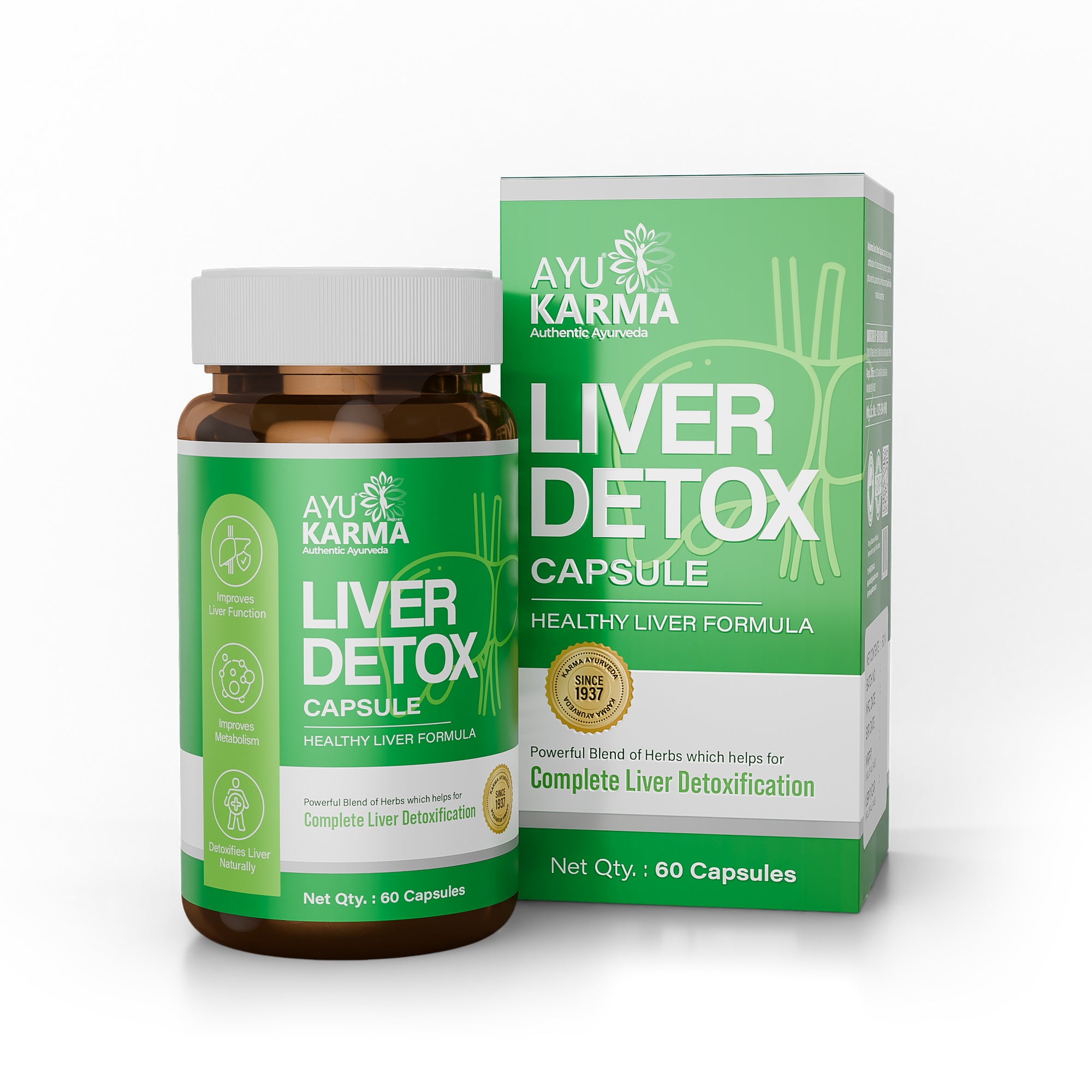
Doctor-recommended liver supplement that helps detoxify the liver, support healthy cholesterol, improve digestion & promote liver health. Developed by Dr. Puneet Dhawan with Karma Ayurveda philosophy.
Second Floor, 77, Block C, Tarun Enclave, Pitampura, New Delhi, Delhi, 110034

Certificate no- AH-2023-0186
JAN 05, 2026 - JAN 04, 2029

US FDA Reg. No.: 14568299376