Unlocking Wellness Naturally
100% Ayurvedic Treatment

.webp)
Let’s talk about white patches on skin; those surprise guests that show up without an invitation and immediately make you Google things at 2 a.m. You look at your arm, your face, or your neck and think, “Was this always here… or did my skin just pull a prank on me?” Relax. Take a breath. White patches on the skin are more common than you think, and most of the time, they’re your skin’s way of saying, “Hey, something’s going on; let’s pay attention.”
This blog will explain why white patches appear on skin, in very simple words, without scary medical talk, and with a little humor to keep things light.
Your skin gets its color from something called melanin. Think of melanin as your skin’s natural paint. When certain areas stop making enough of this “paint,” those spots start looking lighter or develop white patches.
So white patches on skin don’t mean your skin is disappearing. It just means the color factory in that area is either on a break, confused, or slightly underperforming. Happens to the best of us.
Let’s address the big name everyone whispers about: vitiligo.
Vitiligo causes white patches on the skin when the body’s immune system accidentally attacks the cells that make skin color. Basically, your immune system gets a little overprotective and ends up targeting the wrong team.
These vitiligo white patches are usually:
Vitiligo is not contagious, not painful, and not dangerous. It just changes how your skin looks. Many people live perfectly healthy lives with vitiligo, and yes, your skin is still doing its job.
Sometimes white patches on skin appear because of a fungal infection, especially something called tinea versicolor. Sounds fancy, but it’s just a fungus that enjoys warm, sweaty environments. Rude, right?
These fungal white patches:
The good news? Fungal infections causing white patches are very treatable. Once the fungus packs its bags, your skin color usually comes back, though it might take some time, because skin likes to be dramatic.
Sometimes the reason for white patches on skin is much simpler. Dry skin can look lighter in some areas, especially in winter or after excessive soap use.
These patches:
In this case, your skin isn’t sick; it’s just begging for lotion. Think of it as your skin saying, “Please hydrate me, I’m tired.”
This condition, called pityriasis alba, mostly affects children and teenagers, especially those with dry or sensitive skin.
You’ll notice:
Pityriasis alba is harmless and usually fades on its own. It’s like your skin going through a phase; awkward, temporary, and nothing to panic about.
Ever noticed white patches after a rash or injury? That’s called post-inflammatory hypopigmentation. Basically, your skin remembers the trauma and takes a while to restart pigment production.
These white patches on skin after healing:
Your skin is just taking its sweet time getting back to normal. Healing is not a race.
Too much sun exposure can tan your skin unevenly, making some areas look lighter in comparison. Also, sunburn can temporarily damage pigment cells, leading to white patches on skin.
Ironically, while sunlight gives color, it can also take it away if overdone. Balance is key; your skin prefers “sun-kissed,” not “sun-attacked.”
Most white patches on the body are not dangerous, but you should see a doctor if:
A dermatologist or an Ayurvedic expert like Dr. Puneet Dhawan can usually identify the cause of white patches on skin just by looking. No detective work required on your part.
White patches on skin don’t mean something terrible is happening. They’re just signs that your skin needs attention, care, or a little medical help. And remember, skin color does not define health, beauty, or confidence. Your skin works hard every day to protect you. Sometimes it just needs a check-in.
So instead of stressing about white patches, listen to your skin, treat it kindly, and maybe give it some moisturizer while you’re at it.
White patches can appear due to loss of skin pigment, fungal infections, vitamin deficiency, or conditions like vitiligo.
Not always. Many white patches are harmless, but some may need medical attention if they spread or change.
Yes, depending on the cause, lifestyle changes and natural approaches like Ayurveda may help improve skin health.

AyuKarma Testo Build Capsules combine 12 Ayurvedic herbs and minerals to support strength, energy, stamina, physical performance, nourishment and overall daily vitality.

AyuKarma Hair Lush Capsules combine Ayurvedic herbs to support hair growth, reduce hair fall, strengthen roots, nourish the scalp and promote healthier-looking hair.

Karma Garcom Capsules contain Garcinia indica to support healthy metabolism, digestion, weight management, digestive comfort and daily wellness alongside a balanced lifestyle.
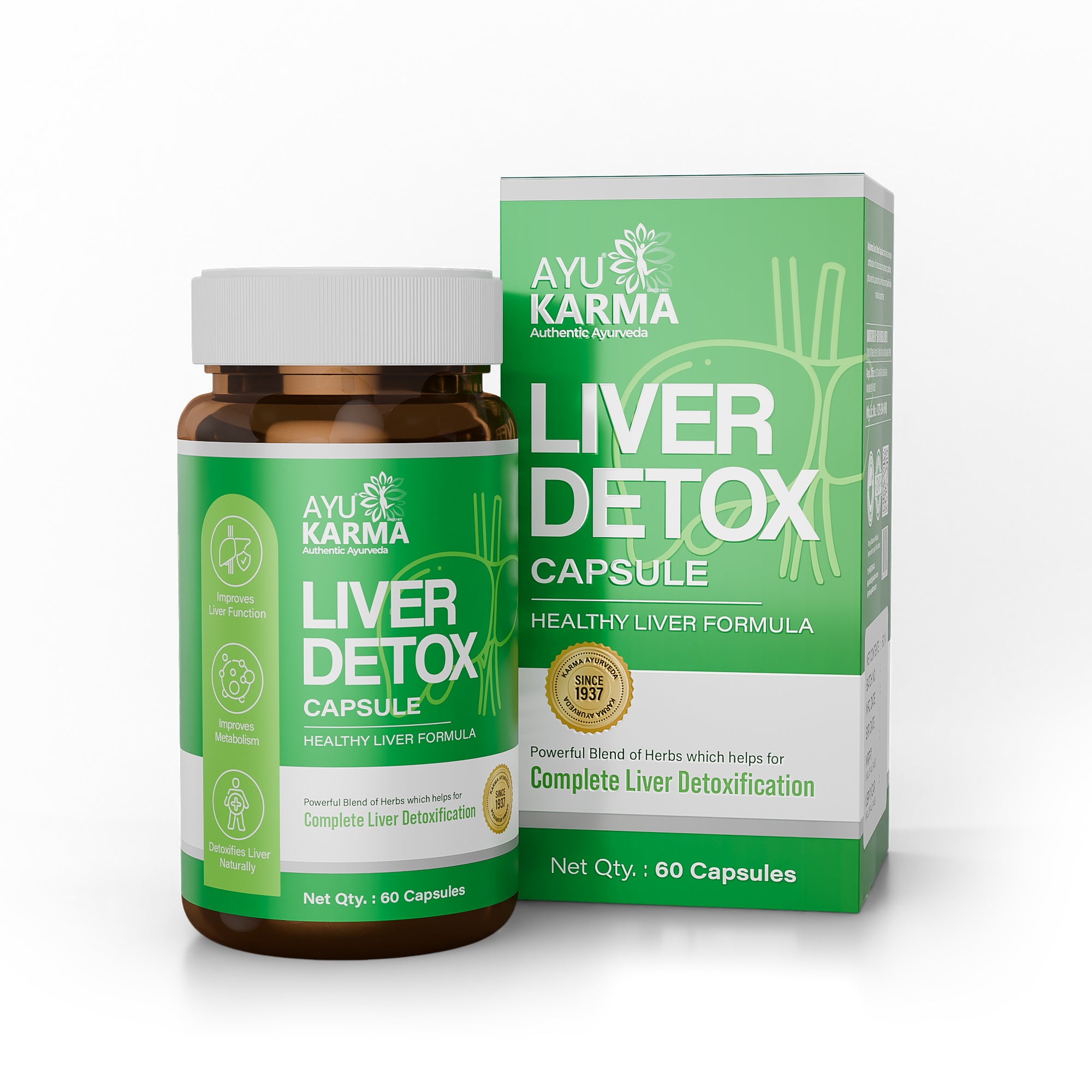
Doctor-recommended liver supplement that helps detoxify the liver, support healthy cholesterol, improve digestion & promote liver health. Developed by Dr. Puneet Dhawan with Karma Ayurveda philosophy.
Second Floor, 77, Block C, Tarun Enclave, Pitampura, New Delhi, Delhi, 110034

Certificate no- AH-2023-0186
JAN 05, 2026 - JAN 04, 2029

US FDA Reg. No.: 14568299376