Unlocking Wellness Naturally
100% Ayurvedic Treatment

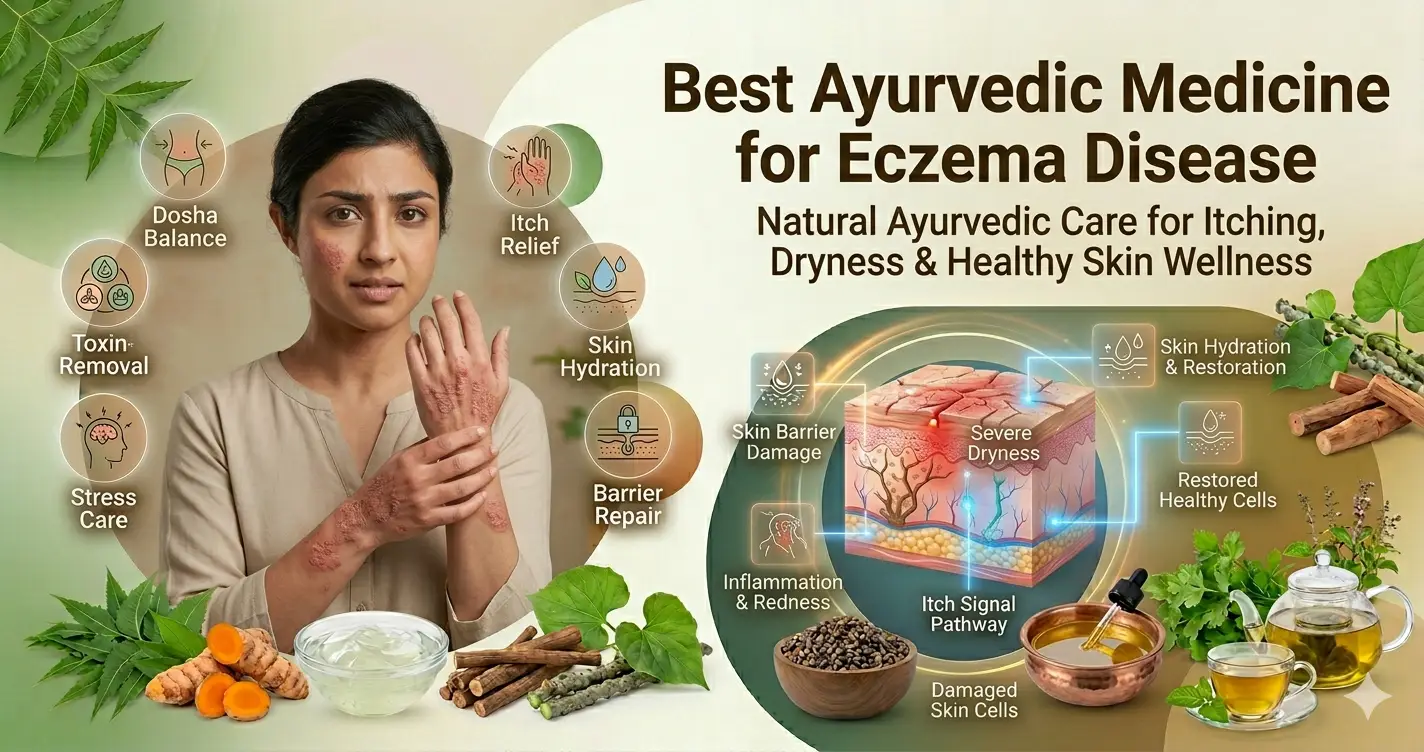
If you have eczema, you already know the struggle. One day your skin is calm and cooperative, and the next day it’s red, itchy, dry, and behaving like it has its own personality. You apply creams, lotions, and home remedies. It improves. Then suddenly, it’s back. Like that one relative who doesn’t understand the meaning of “short visit.”
This is exactly why so many people today are searching for Ayurvedic treatment for eczema instead of depending only on temporary solutions. Ayurveda doesn’t just look at the rash. It looks at why the rash is happening in the first place. And that’s where things get interesting.
Let’s talk in simple, human language about the best Ayurvedic medicine for eczema, how it works, and why it may help you find long-term relief.
In Ayurveda, eczema is closely related to a condition called Vicharchika. It is mainly caused by an imbalance of Pitta and Kapha doshas along with toxin buildup (Ama) in the body.
Now don’t worry about the big words. In simple terms, your body becomes overheated, digestion becomes weak, toxins accumulate, and your skin becomes the “complaint department.” Instead of fixing the root problem, if we only apply creams on top, the issue may keep returning.
That’s why Ayurvedic medicine for eczema focuses on blood purification, detoxification, and balancing the internal system. Ayurveda believes that when the inside is clean and balanced, the outside automatically starts improving.
Neem (Azadirachta indica)
Neem is like the superhero of skin problems. It has antibacterial, antifungal, and blood-purifying properties. It helps reduce itching, redness, and inflammation. Neem works both internally (tablets, powders) and externally (oil, creams).
If eczema had a worst enemy, Neem would be it.
Manjistha (Rubia cordifolia)
Manjistha is one of the best blood purifiers in Ayurveda. Since eczema is linked with impure blood and toxin accumulation, Manjistha helps cleanse the system and cool down excess heat.
It is especially helpful when eczema leaves dark patches or thickened skin behind.
Khadir (Acacia catechu)
Khadir is commonly used in chronic skin conditions. It reduces itching, discharge, and inflammation. Many classical Ayurvedic formulations include Khadir for managing long-term eczema.
Apart from single herbs, Ayurveda also uses traditional combinations.
Panchatikta Ghrita is a medicated ghee prepared with five bitter herbs. It works deeply at the tissue level and helps correct chronic skin imbalances. And no, eating medicated ghee does not mean you’ll turn into a walking butter stick.
Mahamanjisthadi Kwath is another widely used decoction for eczema treatment in Ayurveda. It supports detoxification and reduces inflammation from within.
When taken under proper supervision, these medicines form an important part of herbal treatment for eczema.
Internal treatment is important, but your skin also needs gentle external care.
Neem oil, herbal creams, and aloe vera gel can calm irritation and dryness. Coconut oil infused with turmeric is also traditionally used to reduce inflammation.
But remember; eczema skin is sensitive. Always do a patch test. Natural doesn’t automatically mean “no reaction.” Even your skin has preferences.
Now comes the part most people ignore. You cannot eat spicy street food every evening and expect your skin to stay peaceful. Ayurveda strongly recommends avoiding:
Instead, include:
Bitter taste helps cleanse the blood and balance Pitta. Yes, bitter is not exciting. But neither is eczema.
Have you noticed eczema gets worse during stress? That’s not a coincidence.
Ayurveda connects the skin and mind very closely. When you’re stressed, doshas get disturbed, digestion weakens, and inflammation increases.
Simple practices like yoga, pranayama, meditation, and proper sleep can significantly reduce flare-ups. Healing eczema is not only about medicine. It’s about balance.
While herbs are powerful, taking the right combination in the right dose is important. That’s why consulting an experienced Ayurvedic doctor matters.
Doctors like have been working in the field of kidney and chronic disorders with Ayurvedic principles for years. Under professional supervision, treatment plans are personalized according to your body type and severity of eczema.
Institutions such as focus on root-cause based Ayurvedic healing rather than only symptom management. A structured approach that includes medicines, diet correction, and lifestyle guidance can offer more sustainable results.
Let’s be honest; Ayurveda is not a magic switch. It’s a healing process.
Mild eczema may show improvement within a few weeks. Chronic or long-standing cases can take a few months. The goal is not just temporary relief but reducing recurrence and strengthening the immune system.
Patience and consistency are key. Skipping diet rules and expecting miracles won’t help. Ayurveda works best when you cooperate with it.
Eczema can be uncomfortable, frustrating, and sometimes emotionally draining. But it is also your body’s signal that something inside needs attention.
The best Ayurvedic medicine for eczema usually includes blood-purifying herbs like Neem and Manjistha, detox-supporting formulations, proper diet, stress management, and professional guidance. Instead of suppressing the symptoms, Ayurvedic treatment for eczema focuses on correcting the root imbalance.
If you’re looking for natural remedies for eczema and a long-term herbal treatment for eczema, Ayurveda offers a holistic path. With the right approach, your skin can slowly calm down, heal, and regain its natural glow.
And maybe, just maybe, it will finally stop throwing tantrums.
Neem and Manjistha are commonly used in Ayurvedic treatment for eczema.
Yes, Ayurvedic medicine for eczema is generally safe under expert supervision.
Herbal treatment for eczema aims at root-cause healing and reducing recurrence.
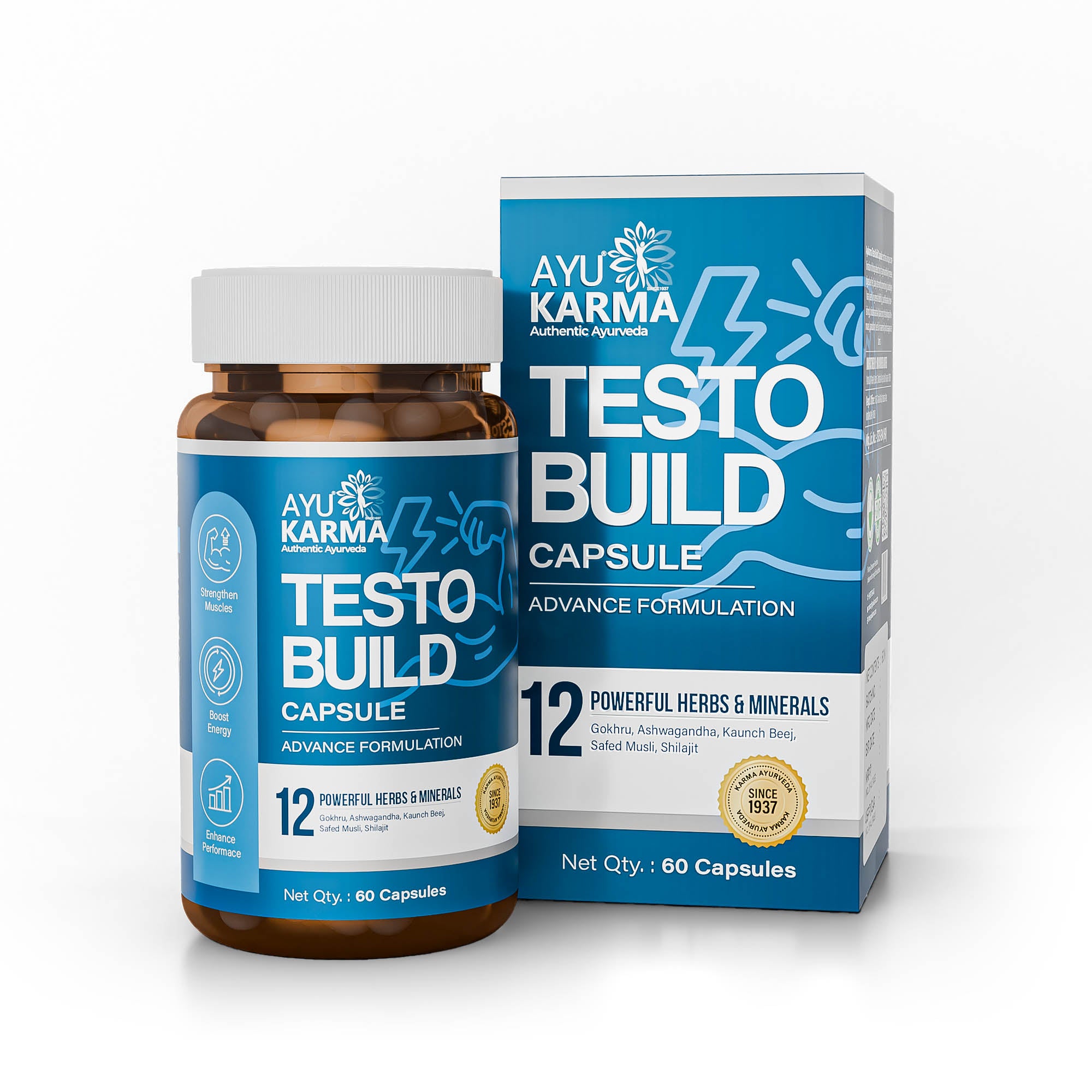
AyuKarma Testo Build Capsules combine 12 Ayurvedic herbs and minerals to support strength, energy, stamina, physical performance, nourishment and overall daily vitality.
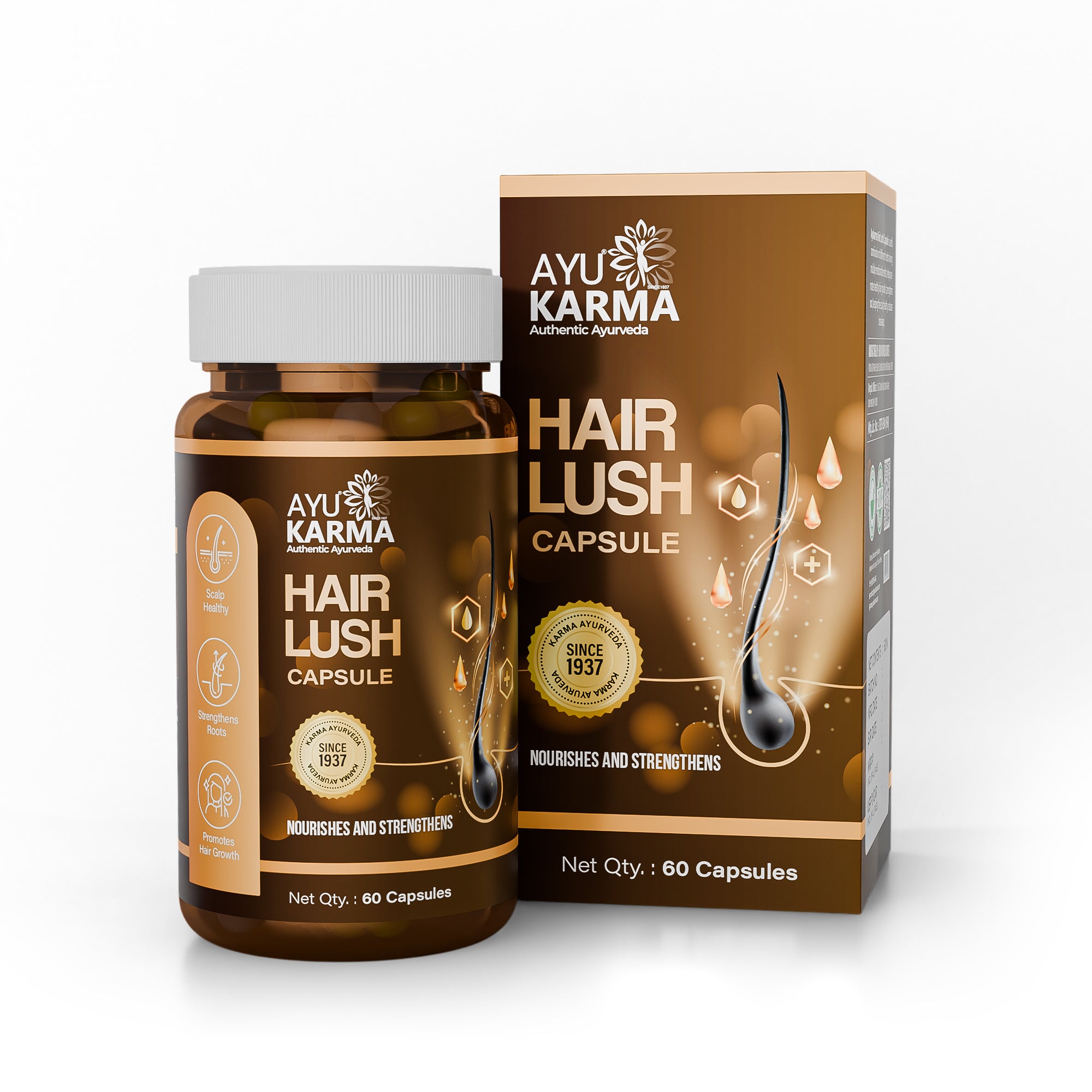
AyuKarma Hair Lush Capsules combine Ayurvedic herbs to support hair growth, reduce hair fall, strengthen roots, nourish the scalp and promote healthier-looking hair.
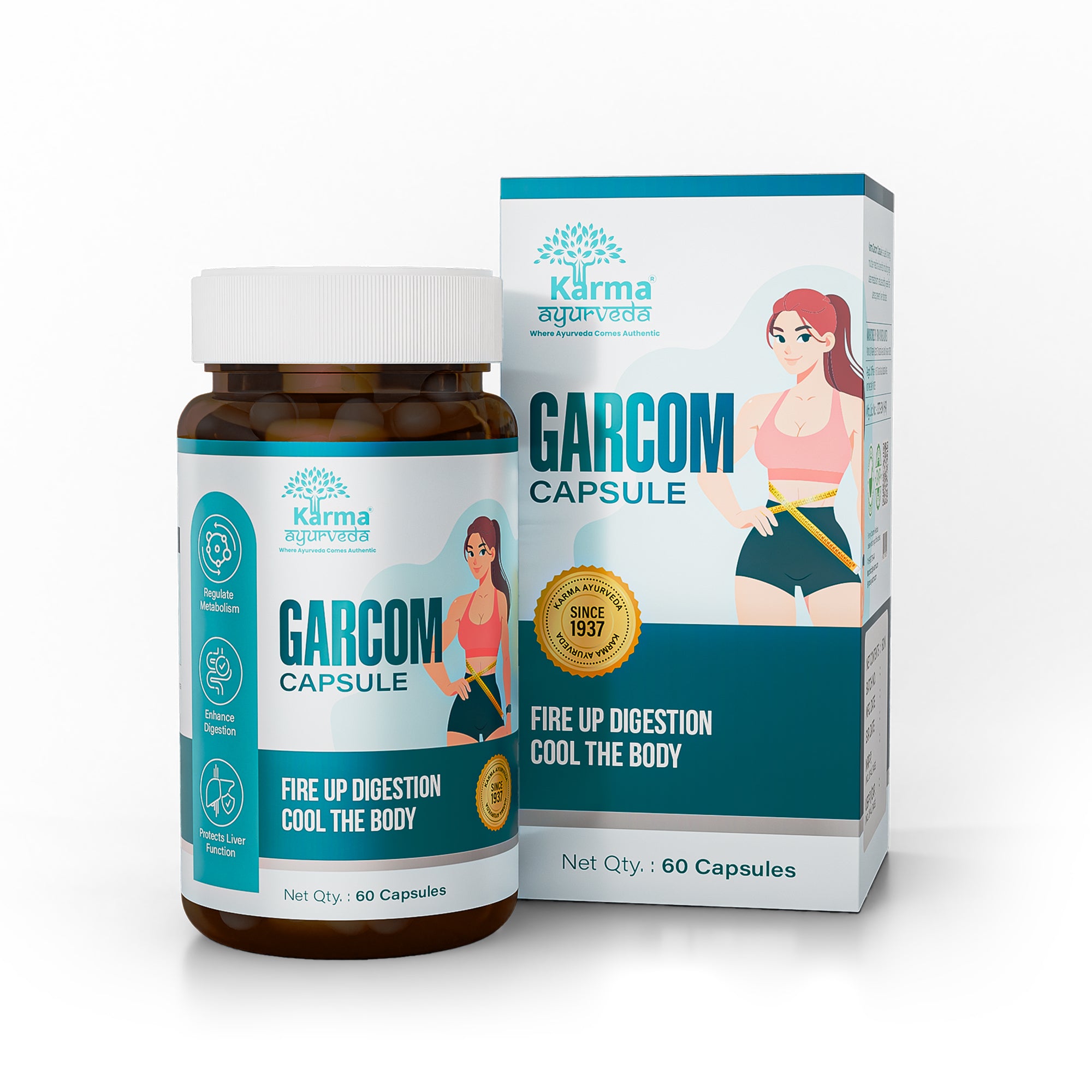
Karma Garcom Capsules contain Garcinia indica to support healthy metabolism, digestion, weight management, digestive comfort and daily wellness alongside a balanced lifestyle.
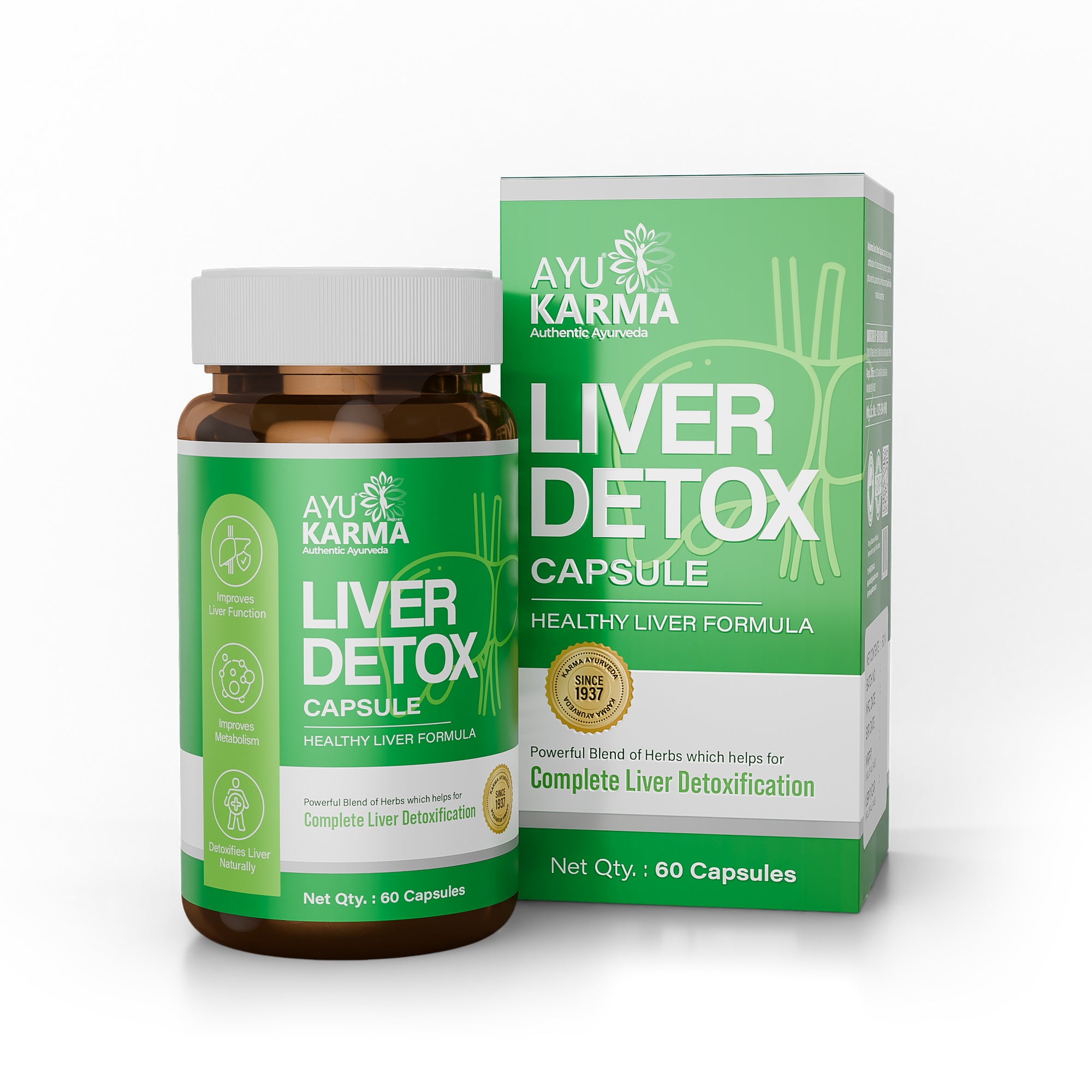
Doctor-recommended liver supplement that helps detoxify the liver, support healthy cholesterol, improve digestion & promote liver health. Developed by Dr. Puneet Dhawan with Karma Ayurveda philosophy.
Second Floor, 77, Block C, Tarun Enclave, Pitampura, New Delhi, Delhi, 110034

Certificate no- AH-2023-0186
JAN 05, 2026 - JAN 04, 2029

US FDA Reg. No.: 14568299376