Unlocking Wellness Naturally
100% Ayurvedic Treatment

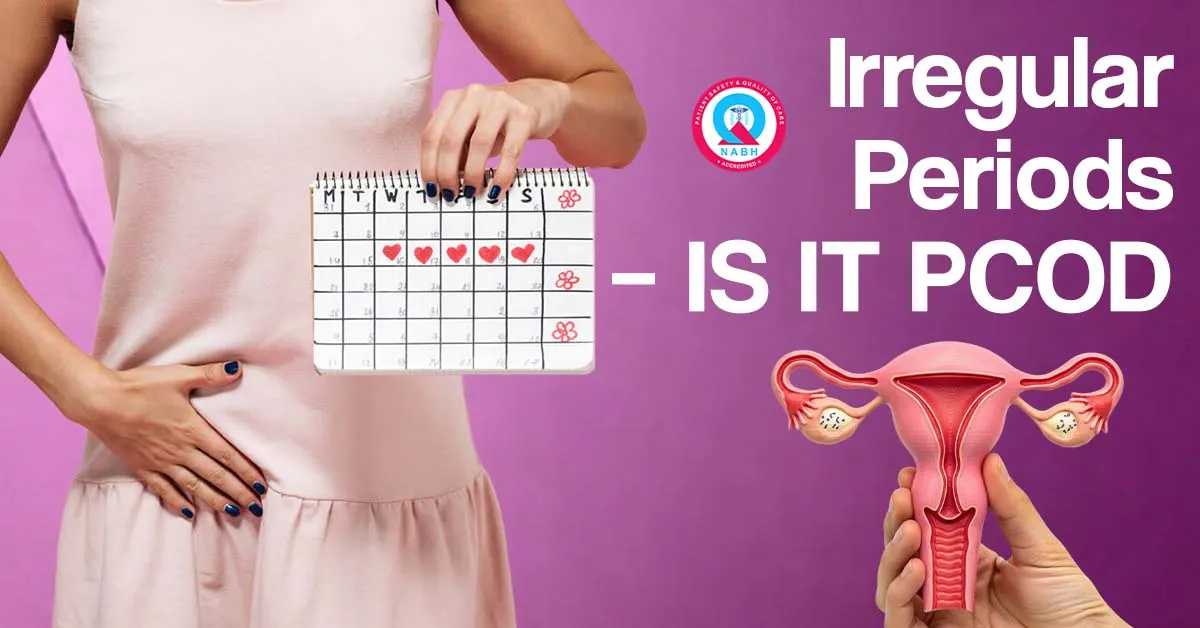
Let’s be honest. Periods already ask for a lot; pain, mood swings, cravings, and an emotional attachment to chocolate. So, when they decide to show up late, early, or not at all, it’s natural to panic. The first thought many people have is: “Is this PCOD?”
Take a deep breath. Irregular periods do not automatically mean PCOD. Your body has many reasons to behave like a confused alarm clock. Let’s talk about what’s normal, what’s not, and when PCOD symptoms actually enter the conversation.
A “regular” menstrual cycle usually comes every 21 to 35 days. If your period keeps changing dates, skips months, comes twice in one month, or surprises you like an uninvited guest, it’s called irregular periods.
Occasional irregular menstrual cycles are very common. Stress, travel, exams, late nights, weight changes, or even binge-watching shows till 3 a.m. can mess with your cycle. Yes, your ovaries care about your sleep schedule.
PCOD (Polycystic Ovarian Disease) is a hormonal condition where the ovaries produce more male hormones (androgens) than usual. This hormonal imbalance can interfere with ovulation, which then affects periods and leads to irregular periods in PCOD.
PCOD in women is common. Very common. And no, having PCOD does not mean your life is over, your periods are gone forever, or you can never eat cake again. It simply means your hormones need a little extra attention.
This part is important, so let’s say it louder: Irregular periods alone do not confirm PCOD.
PCOD symptoms usually come as a group. Think of them as arriving with friends, not alone. If irregular periods are your only concern, there could be many other causes of irregular periods.
Sometimes your body is just adjusting; especially during teenage years, after childbirth, or during stressful phases. Hormones like stability. Life, unfortunately, does not.
If irregular periods come along with some of these signs, then PCOD becomes a stronger possibility:
Having one or two of these does not automatically mean PCOD. Bodies are complex. PCOD diagnosis is like solving a puzzle, not guessing from one piece.
Before blaming PCOD, let’s look at other common reasons for irregular menstrual cycles.
Stress is a big one. Emotional stress, work pressure, exams, and family issues can disturb hormonal balance. Weight fluctuations also play a role; sudden weight loss or gain can confuse your cycle.
Thyroid disorders are another common reason for irregular periods in women. Poor sleep, unhealthy eating habits, lack of physical activity, and inconsistent routines can slowly disrupt hormones. Sometimes, it’s just a temporary phase. Bodies are allowed to be weird sometimes.
PCOD diagnosis is based on multiple factors, not just missed periods.
Doctors usually consider:
So please don’t self-diagnose PCOD after reading one article or watching a dramatic reel online. Awareness is good; panic is not.
First: don’t panic. Panic helps no one. Start tracking your menstrual cycle for a few months. Note dates, flow, and symptoms. Your body is trying to communicate.
Focus on lifestyle basics. Balanced meals, regular movement, quality sleep, and stress management play a major role in managing irregular periods and PCOD naturally.
If irregular periods continue for several months or come with other PCOD symptoms like acne or excess hair growth, consult a doctor for early guidance.
If you are diagnosed with PCOD, know this: it is manageable. Many women with PCOD achieve regular periods and lead healthy lives. PCOD natural treatment usually focuses on lifestyle changes, sometimes medication, and long-term consistency.
It’s not about being perfect. It’s about taking care of your body. And no, PCOD does not mean you must give up food or joy. It just means your body needs a little extra care.
Disclaimer: If your PCOD symptoms are severe, then try consulting an expert like Dr. Puneet Dhawan for a completely natural treatment for PCOD. Avoid DIY treatments.
Irregular periods are common. PCOD is common. But they are not the same thing.
Your body is not broken. It’s responding to life. Listen to it, support it, and avoid jumping to conclusions too quickly. Irregular menstrual cycles do not define your worth, health, or future. Your body is smart; even when it’s dramatic.
No, irregular periods are not always PCOD; stress, weight changes, or hormonal imbalance can also cause them.
A doctor may confirm PCOD through symptoms, blood tests, and ultrasound reports.
Yes, lifestyle changes, diet balance, and natural treatments like Ayurveda may help regulate periods.
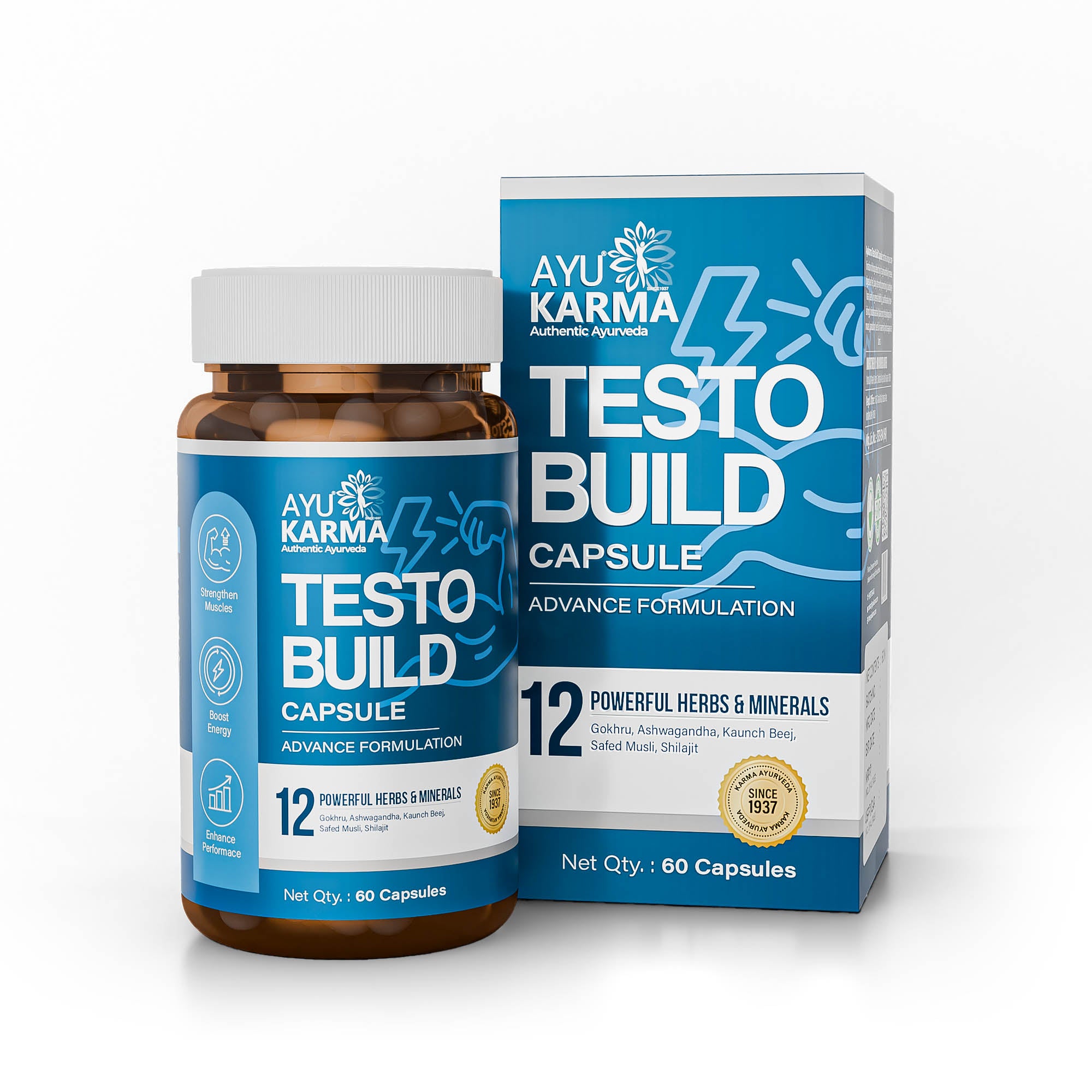
AyuKarma Testo Build Capsules combine 12 Ayurvedic herbs and minerals to support strength, energy, stamina, physical performance, nourishment and overall daily vitality.
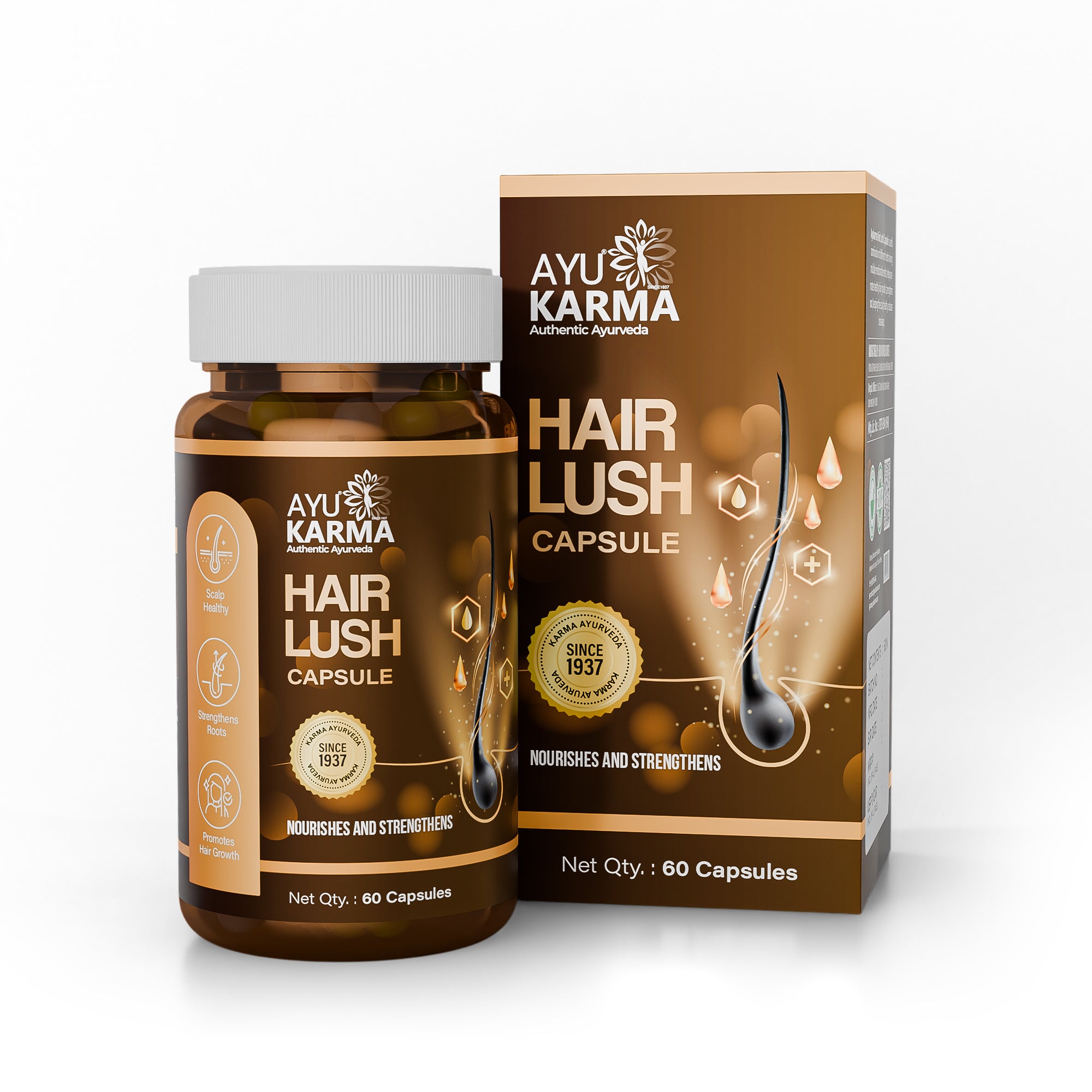
AyuKarma Hair Lush Capsules combine Ayurvedic herbs to support hair growth, reduce hair fall, strengthen roots, nourish the scalp and promote healthier-looking hair.
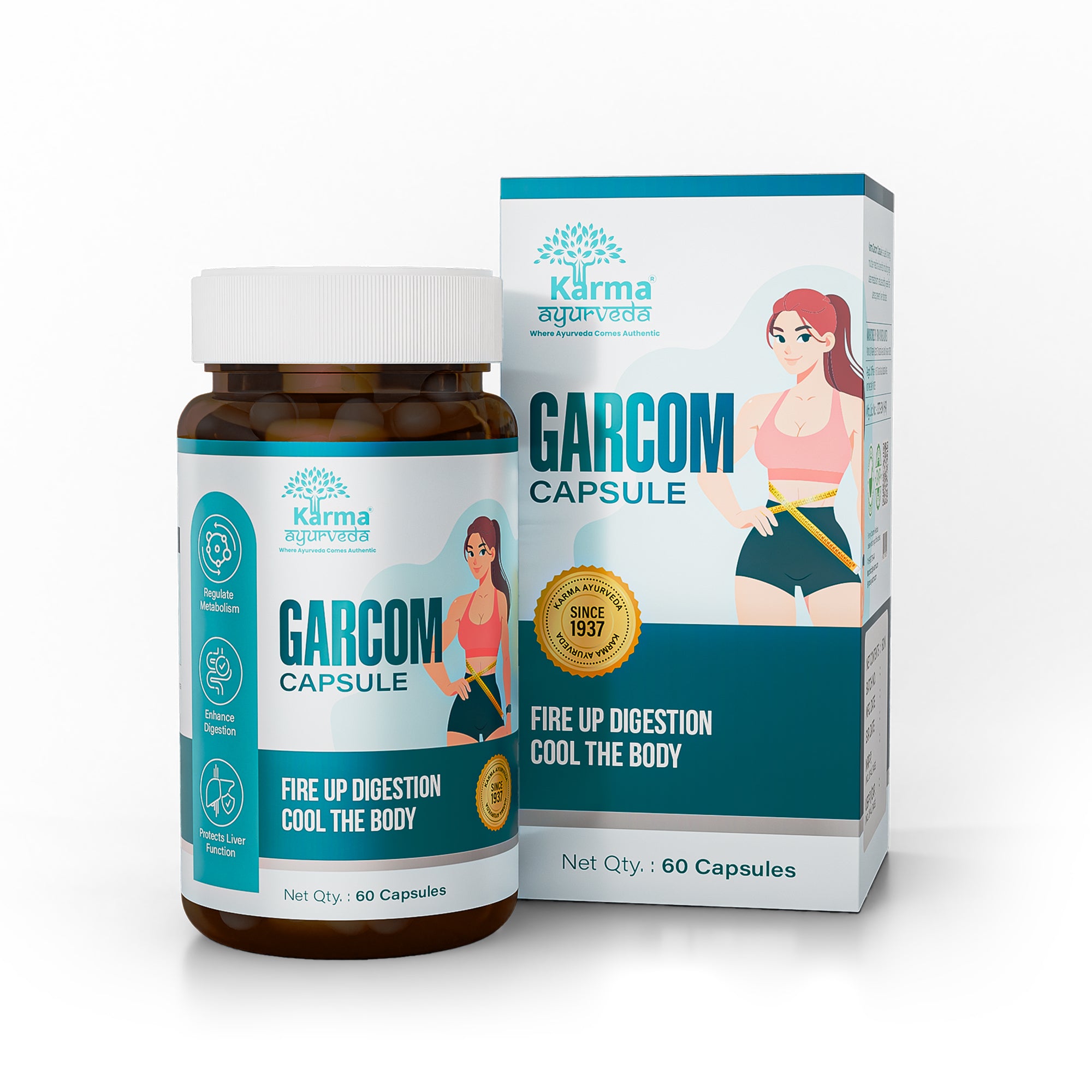
Karma Garcom Capsules contain Garcinia indica to support healthy metabolism, digestion, weight management, digestive comfort and daily wellness alongside a balanced lifestyle.
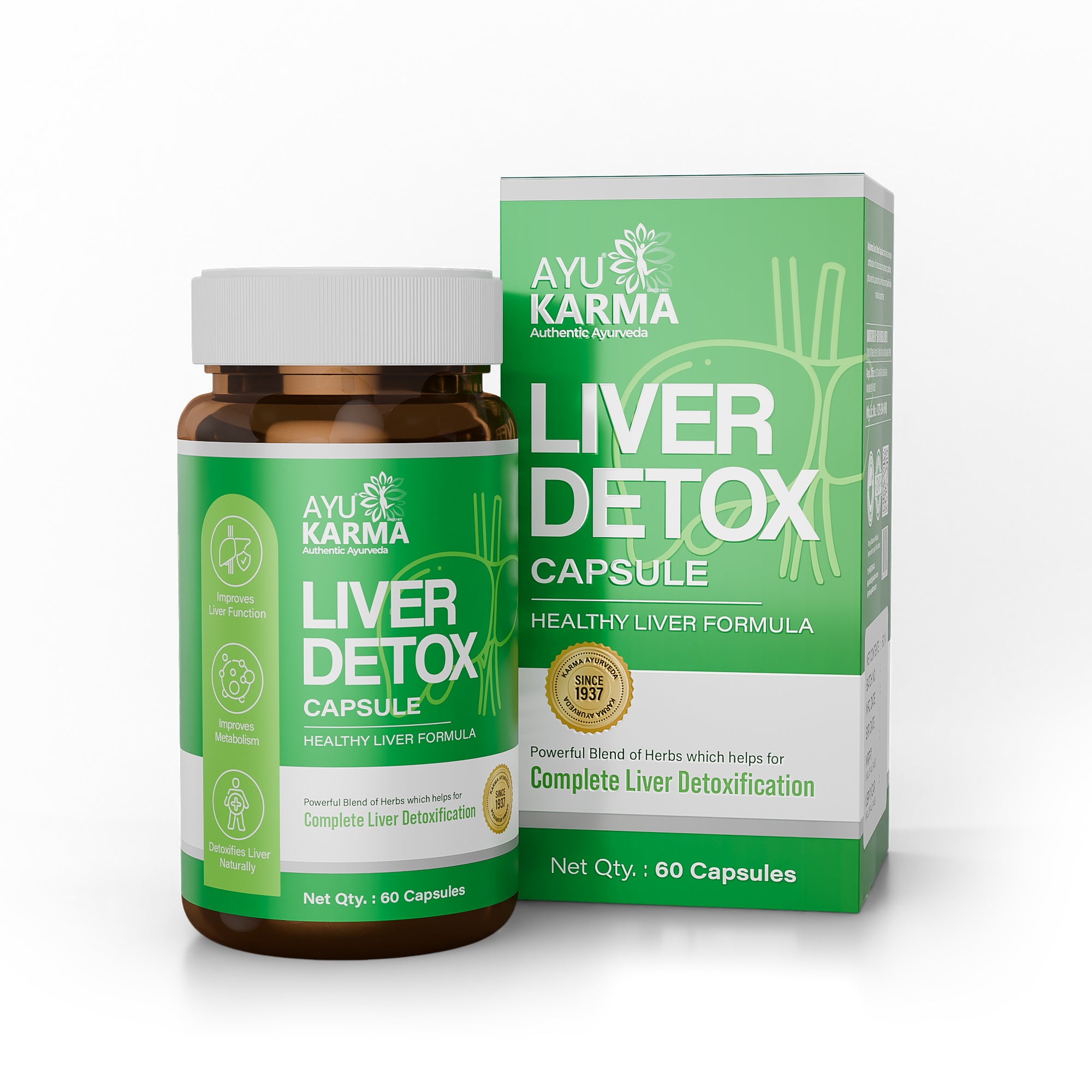
Doctor-recommended liver supplement that helps detoxify the liver, support healthy cholesterol, improve digestion & promote liver health. Developed by Dr. Puneet Dhawan with Karma Ayurveda philosophy.
Second Floor, 77, Block C, Tarun Enclave, Pitampura, New Delhi, Delhi, 110034

Certificate no- AH-2023-0186
JAN 05, 2026 - JAN 04, 2029

US FDA Reg. No.: 14568299376