Unlocking Wellness Naturally
100% Ayurvedic Treatment

.webp)
Oats have a very “good boy” image in the food world. They sit quietly on the shelf, wearing the label of healthy breakfast, minding their own business, waiting for someone who wants to lose weight, control sugar, or “start eating clean from Monday.” That’s why people often ask, are oats good for kidneys, especially when health issues are involved.
But when kidney disease enters the chat, things get a little more complicated. Suddenly, even innocent foods like oats get side-eyed. So the big question is; is oatmeal good for kidney disease, or are oats just pretending to be healthy?
Let’s talk about this in simple language. No medical drama. No scary charts. Just real talk.
If you or someone in your family has kidney problems, you already know this. Kidneys are like the body’s waste managers. When they’re healthy, they remove extra minerals, balance fluids, and clean the blood quietly in the background.
But when kidneys are weak, they start missing deadlines. Waste builds up. Minerals like potassium, phosphorus, and sodium can go out of control. That’s when food stops being “just food” and becomes a careful decision.
This is why diet plays such a huge role in natural treatment for kidney disease, alongside medical care and lifestyle changes.
So, kidney patients don’t just eat for taste. They eat to survive. Dramatic, yes; but true.
Oats are whole grains. They are famous for fiber, heart health, and keeping you full for a long time. They don’t scream “junk food.” They whisper “I care about your health.”
But kidney patients need to know more than that. The real questions are:
Let’s break it down slowly.
Yes, oats can be good for kidney patients, especially when eaten in the right amount and in the right stage of kidney disease. This is why oats often appear in discussions around kidney disease Ayurvedic treatment and balanced dietary plans.
One of the biggest reasons is fiber. Oats are rich in soluble fiber, which helps digestion and keeps cholesterol in check. For kidney patients, this matters more than you might think.
Good fiber helps the gut remove waste so the kidneys don’t have to work overtime. Think of it like teamwork. When the stomach and intestines do their job well, kidneys get a little break. And trust me, weak kidneys appreciate breaks.
Oats are also low in sodium, especially plain oats. That’s a big win because high salt is one of the biggest enemies of kidney patients. Less sodium means less fluid retention, less swelling, and less pressure on the kidneys.
Another good thing? Oats give steady energy. They don’t cause sugar spikes like refined grains. This is especially helpful for kidney patients who also have diabetes; which is, unfortunately, a very common combo.
Ah yes. The villains of the kidney diet story.
Oats do contain potassium and phosphorus, but here’s the key point: they are present in moderate amounts, not extreme ones.
A half cup of cooked oats contains roughly:
For early-stage kidney disease (Stage 1, 2, and often Stage 3), this amount is usually manageable. In fact, oats often fit well into kidney friendly breakfast foods when compared to processed cereals and bakery items.
However, for advanced stages (Stage 4 or 5), portion size becomes very important. Oats are not banned, but they are not a free-for-all either.
So no, oats are not evil. But they are not something to eat in a giant bowl daily without thinking.
Let’s be honest. Most breakfast options are either too salty, too sugary, too processed; or all three at once.
White bread, biscuits, instant cereals, fried parathas, and bakery items may taste great, but kidneys are silently crying in the corner.
Oats, especially plain rolled oats or steel-cut oats, are much cleaner. They don’t come with hidden salt bombs or chemical surprises. You control what goes into them, which is why they are often recommended as part of the best diet for kidney health.
That control is power; for kidney patients.
This is important. Oats are healthy, but how you eat them matters a lot.
First rule: keep it simple.
Plain oats cooked in water are the safest option. Milk can be added in small amounts if potassium and phosphorus levels allow, but water is always the safest base.
Second rule: watch the toppings.
Oats themselves are usually fine. The problem starts when people add bananas, dry fruits, chocolate syrup, and nuts like there’s no tomorrow. For kidney patients, those toppings can turn a healthy bowl into a mineral overload.
Third rule: portion control is non-negotiable.
Half a cup cooked oats is usually enough. This is not a competition. Eating more does not make it healthier.
Short answer: mostly yes, but with conditions.
In early stages, oats are generally a safe and smart choice and can easily fit into Ayurvedic treatment for kidney disease-based lifestyle guidance.
In middle stages, oats can still be eaten, but frequency and portion size should be watched.
In advanced stages or dialysis, oats should only be eaten after discussing with a doctor or diet expert. Minerals matter more at this stage, and even healthy foods need limits.
So, oats don’t suddenly turn bad; but the rules around them get stricter.
From an Ayurvedic point of view, oats are considered heavy but nourishing. They provide strength and stamina, but digestion needs to be strong to handle them well.
In many Ayurvedic care plans suggested at Karma Ayurveda Hospital, diet is adjusted according to digestion, disease stage, and toxin buildup. Under the guidance of experts like Dr. Puneet Dhawan, oats may be included thoughtfully as part of a broader Ayurvedic treatment for kidney disease, along with herbs and lifestyle correction.
Ayurveda also teaches something very important: one food is never the treatment. Balance matters more than obsession.
So, are oats good for kidneys?
Yes; when eaten smartly.
Oats are generally kidney-friendly, especially compared to many modern breakfast options. They offer fiber, low sodium, steady energy, and flexibility in preparation.
But; and this is a big but; oats are not a magic food. They won’t cure kidney disease. They won’t fix everything. And they still need portion control.
Think of oats like a polite guest. Welcome them, serve them properly, and don’t let them overstay their welcome.
If you’re a kidney patient, or caring for one, oats can absolutely be part of a healthy diet; when eaten smartly, simply, and mindfully.
Your kidneys may not clap for you, but they will quietly thank you.
Yes, oats are generally good for kidneys when eaten in moderation, especially in the early stages of kidney disease due to their fiber and low sodium content.
Yes, plain oatmeal can be included in the diet of kidney disease patients, but portion size and toppings should be carefully controlled.
Absolutely. Oats are one of the most common kidney friendly breakfast foods when cooked simply and eaten in limited portions.
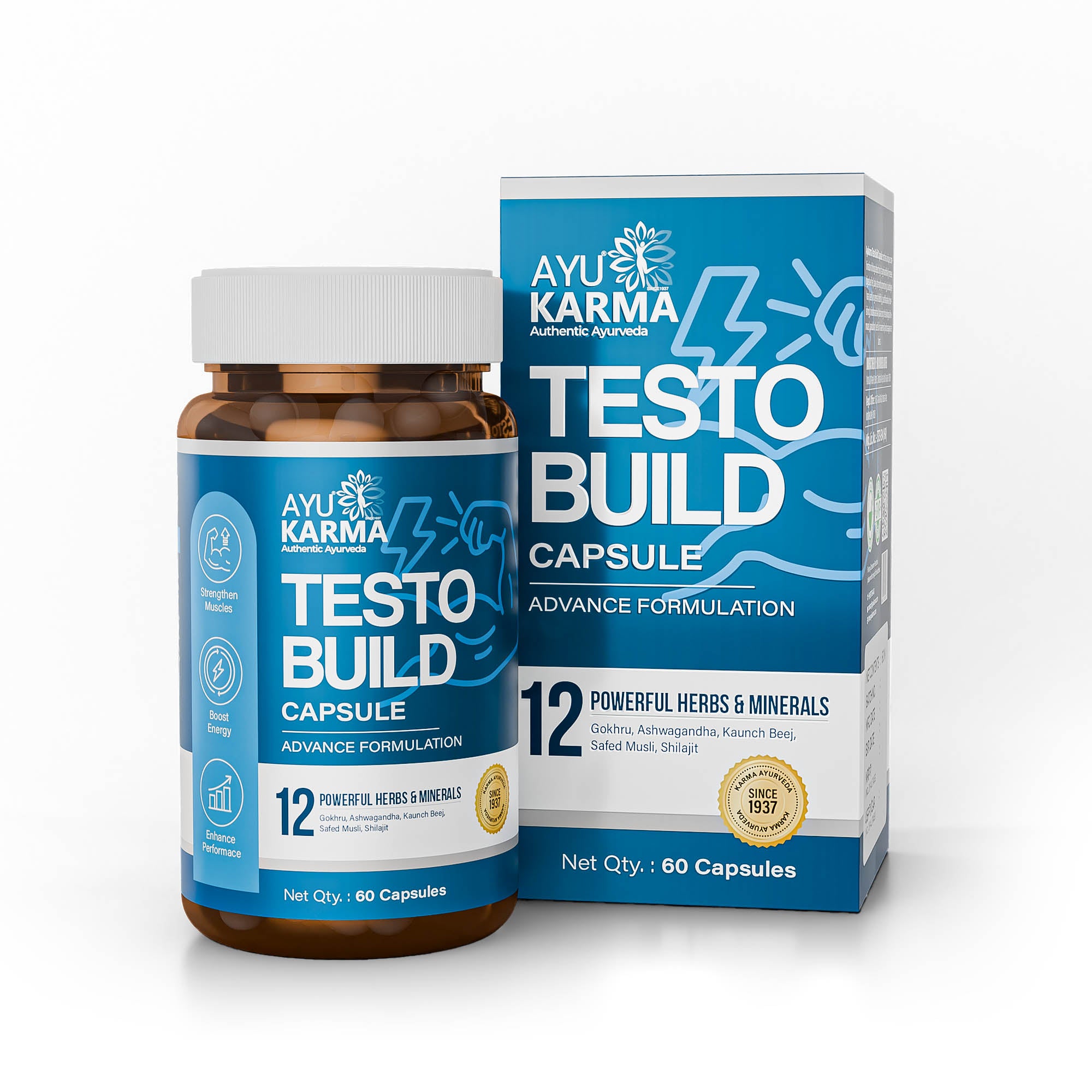
AyuKarma Testo Build Capsules combine 12 Ayurvedic herbs and minerals to support strength, energy, stamina, physical performance, nourishment and overall daily vitality.
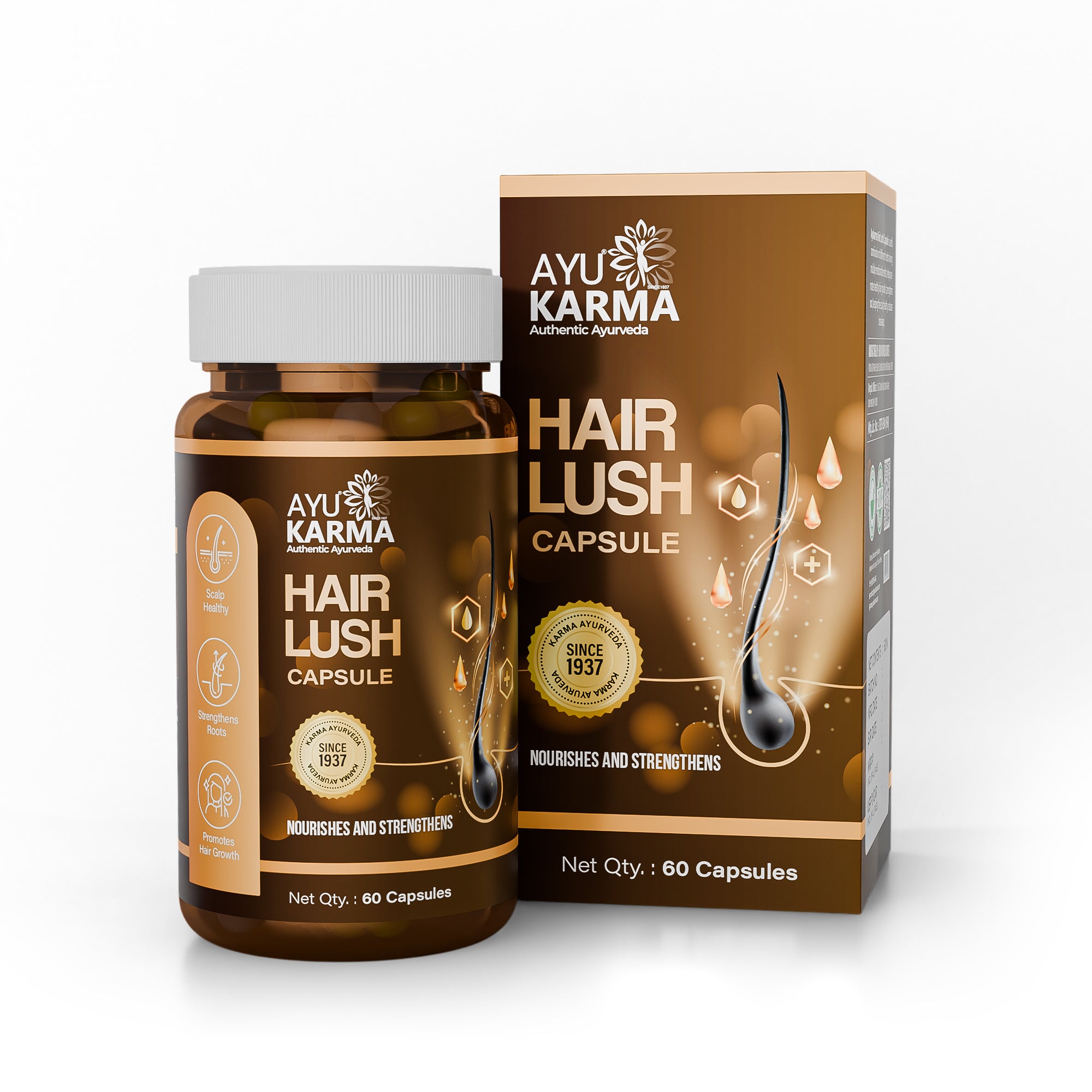
AyuKarma Hair Lush Capsules combine Ayurvedic herbs to support hair growth, reduce hair fall, strengthen roots, nourish the scalp and promote healthier-looking hair.
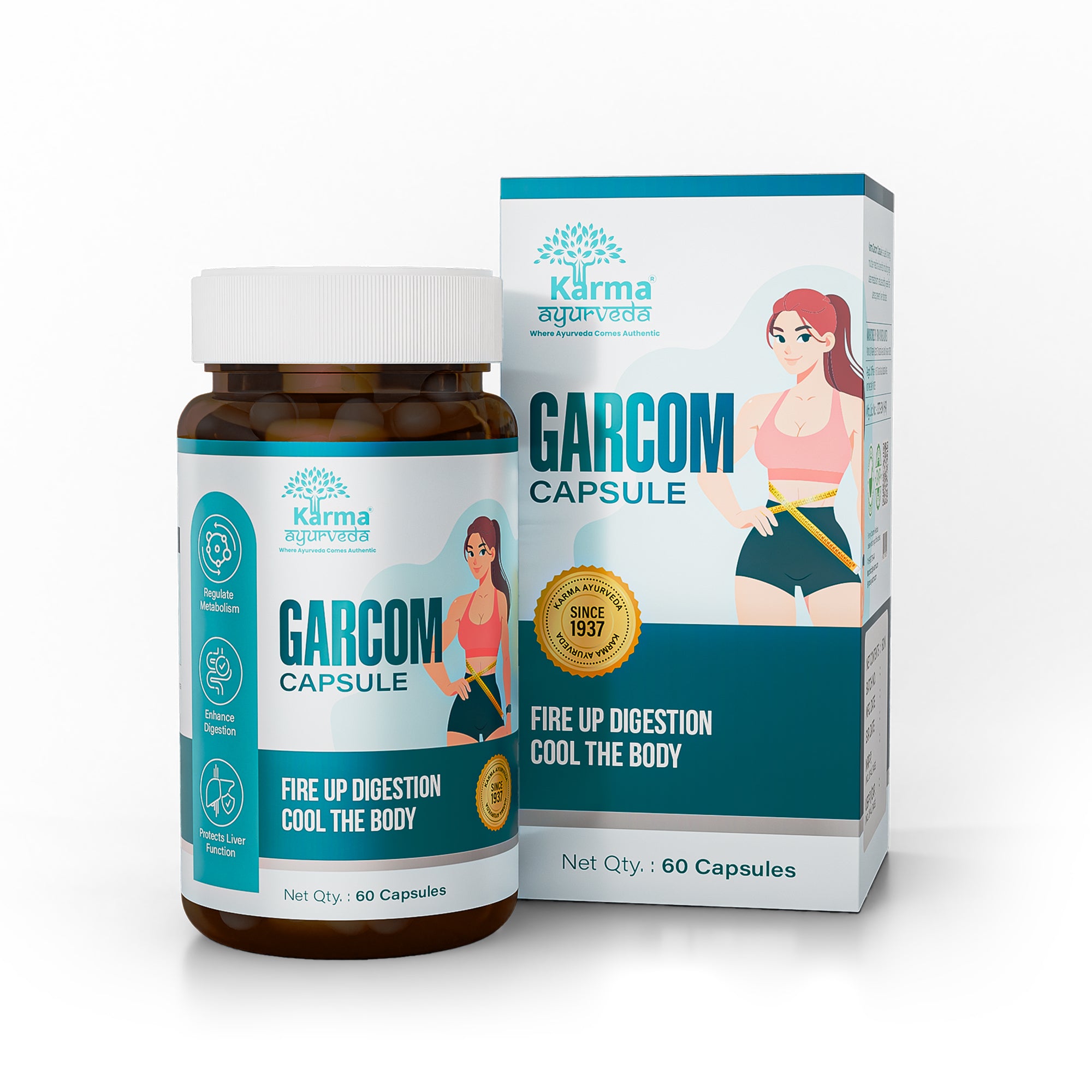
Karma Garcom Capsules contain Garcinia indica to support healthy metabolism, digestion, weight management, digestive comfort and daily wellness alongside a balanced lifestyle.
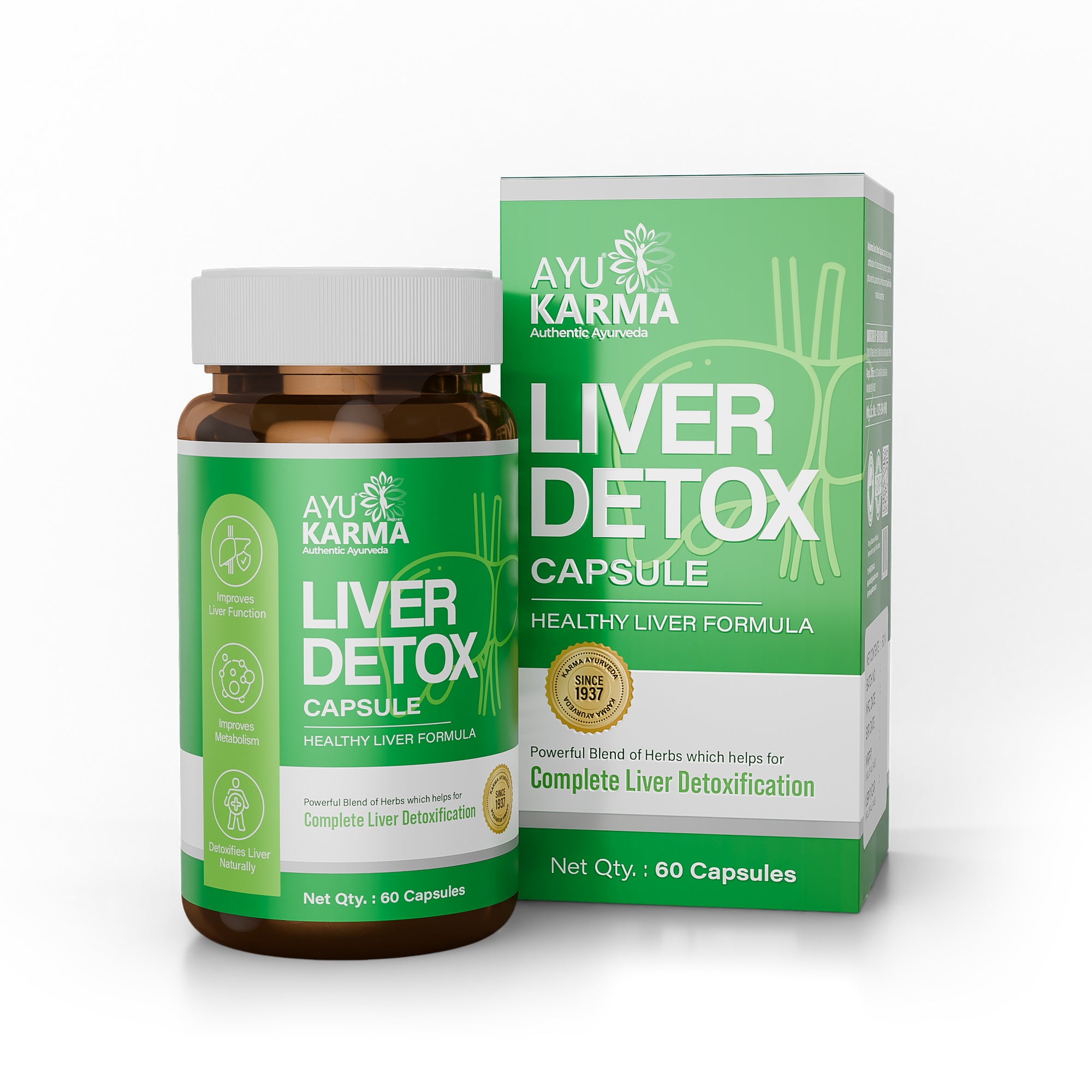
Doctor-recommended liver supplement that helps detoxify the liver, support healthy cholesterol, improve digestion & promote liver health. Developed by Dr. Puneet Dhawan with Karma Ayurveda philosophy.
Second Floor, 77, Block C, Tarun Enclave, Pitampura, New Delhi, Delhi, 110034

Certificate no- AH-2023-0186
JAN 05, 2026 - JAN 04, 2029

US FDA Reg. No.: 14568299376