Unlocking Wellness Naturally
100% Ayurvedic Treatment


Creatinine, not the most exciting word, right? It sounds like something you’d find on a chemistry exam or a hospital report that instantly raises your blood pressure. But if you or someone in your family is dealing with high levels, this word suddenly becomes very important. Almost like an uninvited guest who refuses to leave.
Creatinine is basically a waste product. Your muscles produce it, and your kidneys are supposed to throw it out of the body like responsible housekeepers. When kidneys get tired, stressed, or damaged, creatinine decides to stay back. And that’s when doctors start giving you “that look.”
The good news?
Food, especially vegetables to reduce creatinine level, can help your kidneys breathe a little easier. No, vegetables won’t perform miracles overnight. They are not magicians. But they do support kidney function, reduce extra load, and help control levels naturally when eaten the right way. This is why doctors and Ayurveda experts often talk about vegetables for kidney health and creatinine.
So let’s calmly walk through the best vegetables for high creatinine; no heavy medical words, no fear, just simple food talk focused on kidney friendly vegetables for creatinine.
If kidneys had a favorite vegetable, lauki would probably be sitting on a throne.
Bottle gourd is light, watery, and extremely easy to digest, making it one of the most trusted creatinine lowering vegetables. It helps flush out toxins and supports urine flow, which is exactly what you want when creatinine is high. Think of it as giving your kidneys a soft pillow instead of making them lift heavy weights.
You can cook lauki as a simple sabzi, add it to dal, or even drink lauki juice if your doctor allows. It doesn’t create pressure, doesn’t overload protein, and fits perfectly into a diet planned around vegetables to reduce creatinine level.
Ridge gourd doesn’t get much love. People complain it’s boring. But kidneys love boring.
Tori is low in potassium, low in sodium, and very easy on digestion. It supports natural detoxification and is considered one of the safest kidney friendly vegetables for creatinine. When included regularly, it quietly contributes to vegetables for kidney health and creatinine management.
Pumpkin is slightly sweet, comforting, and kidney-friendly when eaten in moderate amounts. It contains fiber, which helps digestion and reduces toxin buildup. Less toxin load means less work for kidneys, which is exactly why pumpkin is counted among the best vegetables for high creatinine.
Cabbage is a low-potassium vegetable and a great option for people with kidney issues. It supports digestion, reduces inflammation, and fits well into meals focused on vegetables to reduce creatinine level without stressing the kidneys.
When eaten in limited portions and properly cooked, cauliflower can support overall kidney health. It works well when combined with other creatinine lowering vegetables, as long as overeating and excess salt are avoided.
Yes, it’s bitter. Yes, you might make a face. But karela supports detoxification and blood sugar control, which indirectly protects kidneys. That’s why Ayurveda often recommends it alongside natural treatment for creatinine approaches, especially for diabetic kidney issues.
Snake gourd is water-rich, light, and easy on digestion. It supports urine flow and toxin removal, making it another excellent option among vegetables for kidney health and creatinine control.
Capsicum is low in potassium and rich in antioxidants. It adds color and nutrition without kidney stress, earning its place among kidney friendly vegetables for creatinine.
Onion supports detoxification and adds flavor without protein overload. For people managing high creatinine, it’s a simple way to make meals enjoyable while sticking to vegetables to reduce creatinine level.
Ash gourd is cooling in nature and valued in Ayurveda for balancing body fluids. It supports urine production and inflammation control, often recommended in Ayurvedic treatment for high creatinine plans.
Vegetables help. A lot. But they are part of a bigger picture.
If your creatinine is high, your kidneys need rest, not pressure. That means following medical advice, dietary discipline, and supportive therapies like Ayurvedic treatment for high creatinine, which focuses on long-term balance rather than quick fixes. Many people also explore creatinine Ayurvedic treatment alongside their prescribed care.
Institutions like Karma Ayurveda Hospital, under the guidance of Dr. Puneet Dhawan, emphasize combining diet, lifestyle, and herbal support rather than depending on food alone.
High creatinine doesn’t mean life is over. It means your kidneys are asking for help, not punishment. Vegetables like lauki, tori, pumpkin, cabbage, karela, and ash gourd are not fancy superfoods. They are simple, affordable, and already sitting in Indian kitchens. When combined with medical guidance and natural treatment for creatinine, they quietly support healing.
Eat calmly. Cook simply. Avoid extremes. Your kidneys don’t want excitement; they want peace.
And when kidneys are peaceful, creatinine levels usually behave better too.
Vegetables like bottle gourd, cabbage, cauliflower, and pumpkin are considered kidney-friendly and may help manage creatinine levels.
Yes, most green vegetables are safe when eaten in moderation, especially low-potassium options recommended for kidney health.
Vegetables support kidney function and overall health, which may help control creatinine levels when combined with a proper diet and medical guidance.
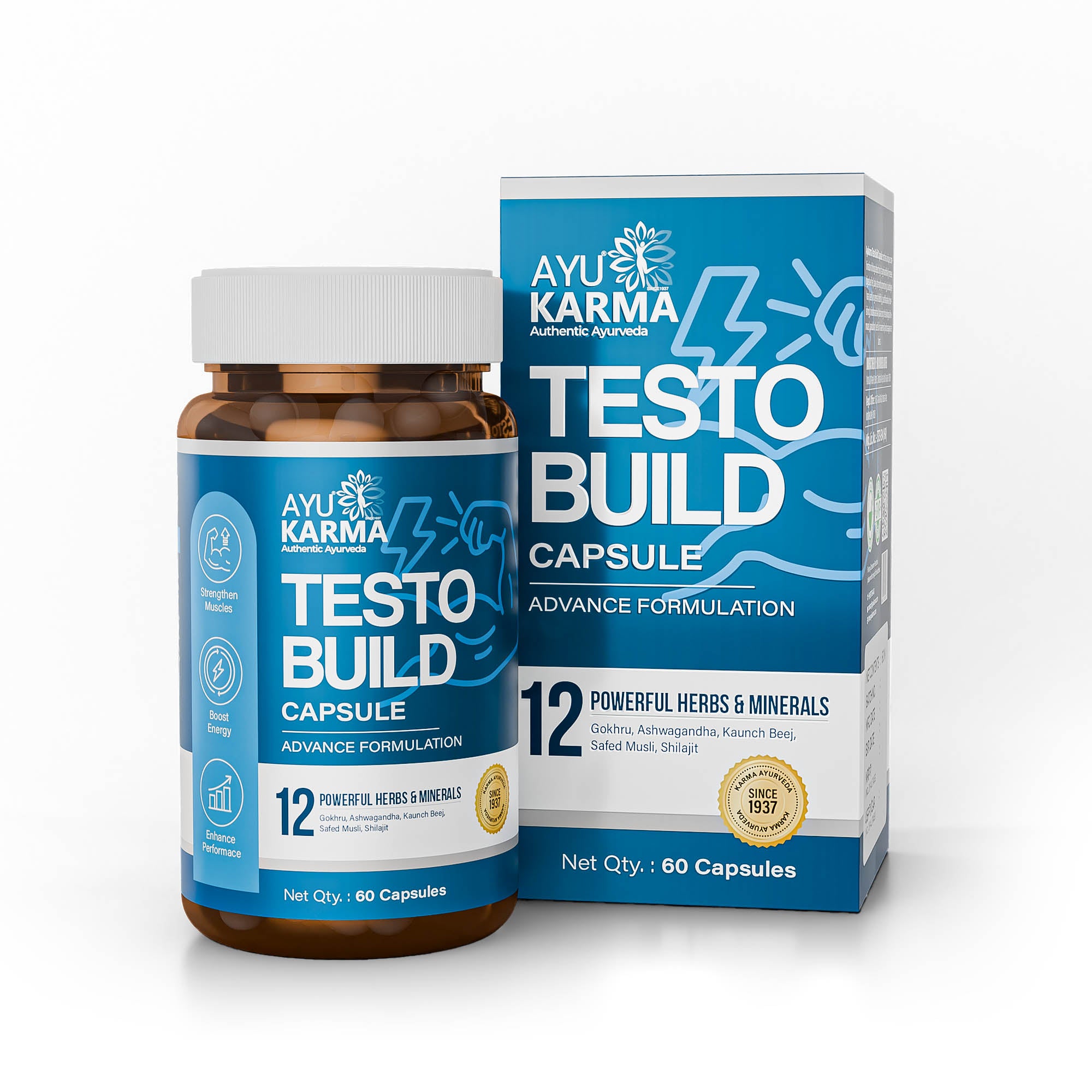
AyuKarma Testo Build Capsules combine 12 Ayurvedic herbs and minerals to support strength, energy, stamina, physical performance, nourishment and overall daily vitality.

AyuKarma Hair Lush Capsules combine Ayurvedic herbs to support hair growth, reduce hair fall, strengthen roots, nourish the scalp and promote healthier-looking hair.

Karma Garcom Capsules contain Garcinia indica to support healthy metabolism, digestion, weight management, digestive comfort and daily wellness alongside a balanced lifestyle.
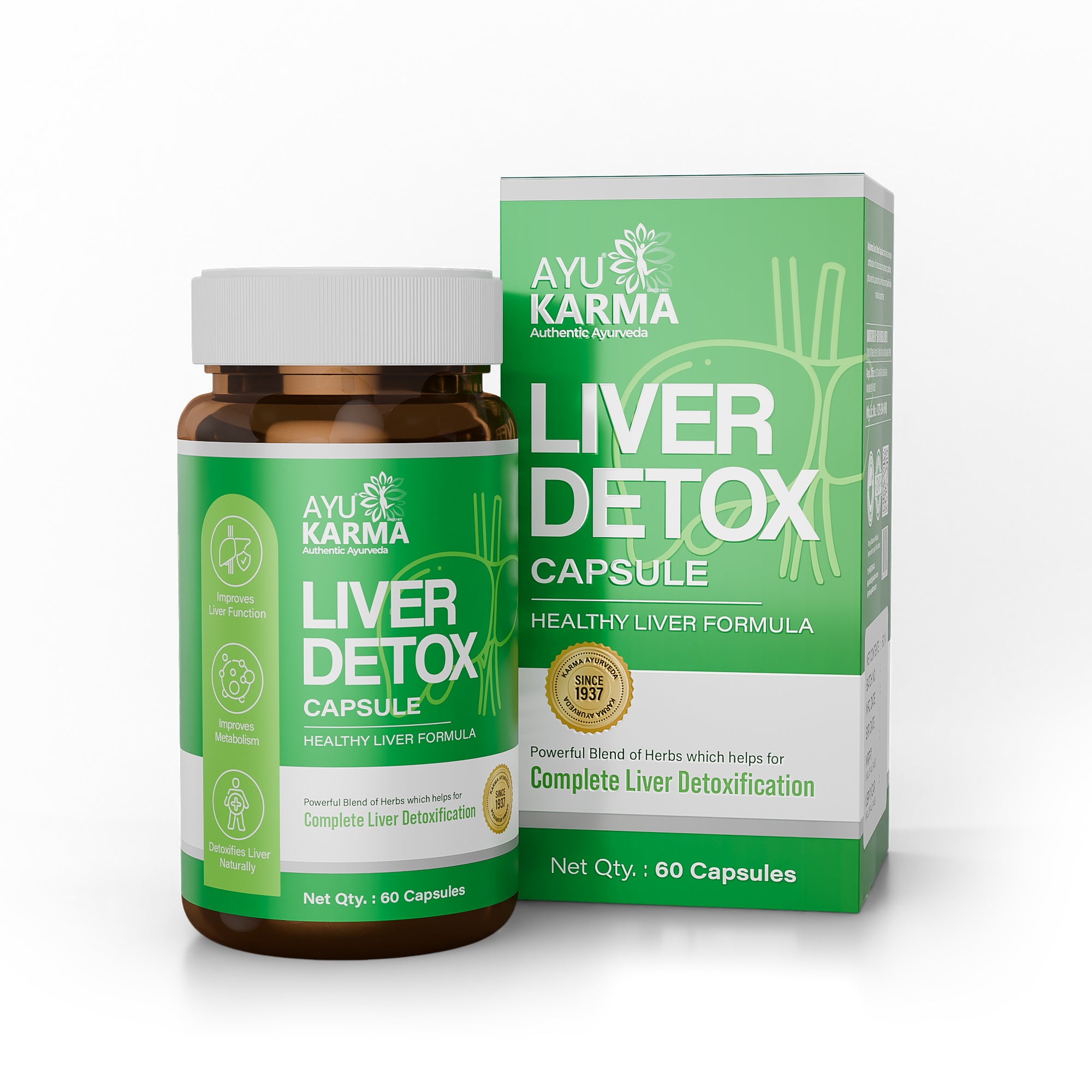
Doctor-recommended liver supplement that helps detoxify the liver, support healthy cholesterol, improve digestion & promote liver health. Developed by Dr. Puneet Dhawan with Karma Ayurveda philosophy.
Second Floor, 77, Block C, Tarun Enclave, Pitampura, New Delhi, Delhi, 110034

Certificate no- AH-2023-0186
JAN 05, 2026 - JAN 04, 2029

US FDA Reg. No.: 14568299376