Unlocking Wellness Naturally
100% Ayurvedic Treatment

.webp)
Alright, let’s talk about creatinine; that little word your lab report throws at you and suddenly ruins your mood.
If you’re here, chances are your doctor said, “Creatinine is a bit high,” and now you’re googling foods to reduce creatinine levels faster than you check WhatsApp.
Relax. Take a sip of water (yes, water matters; we’ll get to that). This blog is your friendly, no-panic guide to creatinine level lowering foods, written without heavy medical jargon or scary warnings; just honest food talk, like a friend explaining things over chai. If you’re looking for a sensible diet to lower creatinine, you’re in the right place.
Creatinine is a waste product made by your muscles. Your kidneys are supposed to filter it out and send it packing through urine.
When kidneys are tired, stressed, or not working at their best, creatinine starts hanging around in your blood like an unwanted guest who refuses to leave. That’s when people start searching for foods for high creatinine and hoping food alone will fix everything.
Food isn’t magic, but the right natural foods to lower creatinine can reduce the load on your kidneys and support better balance. Think of it as helping your kidneys breathe a little easier.
Let’s start with the obvious; water. Not fancy detox water. Not lemon-mint-cucumber drama. Just plain water. When you don’t drink enough water, creatinine becomes more concentrated in the blood. Drinking adequate water helps kidneys flush waste more efficiently and supports any diet to lower creatinine.
That said, if you have kidney disease and your doctor has given you a fluid limit, follow that advice strictly. More is not always better.
Simple rule:
Drink steadily through the day. Don’t dump 2 liters at night like you’re cramming for an exam.
Fruits are like gentle friends to your kidneys; light, hydrating, and helpful when you’re focusing on foods to reduce creatinine levels.
Vegetables are healthy; but kidney-friendly choices matter.
Carbs are not villains; especially when kidneys are under pressure.
Protein is important, but excess protein forces kidneys to work harder, which can raise creatinine. This doesn’t mean you avoid protein completely. It just means moderation matters; especially when managing foods for high creatinine.
Commonly suggested options (in controlled portions):
Gym diets and kidney diets are not the same thing; important life lesson.
Good fats don’t directly reduce creatinine, but they help inflammation and overall balance.
No panic. Just awareness.
You don’t have to live like a monk. Just don’t eat these daily like it’s a family tradition.
In Ayurveda, high creatinine is often linked with imbalances in Vata and Kapha and weakened kidney channels.
An Ayurvedic treatment for high creatinine focuses on light, freshly cooked food, improving digestion, and reducing toxin buildup. This approach is often combined with herbs, lifestyle correction, and stress management.
A proper creatinine Ayurvedic treatment is not about random remedies found online. It’s structured, personalized, and works best under expert guidance. Many people also explore Natural treatment for creatinine alongside dietary discipline for long-term support.
Well-known centers like Karma Ayurveda Hospital, under the guidance of Dr. Puneet Dhawan, emphasize food discipline as a core part of an Ayurvedic treatment for high creatinine, along with individualized care.
Lowering creatinine is not about one superfood. It’s about consistency.
Eating kidney-friendly food one day and biryani with cola the next won’t help. Kidneys like routine, simplicity, and kindness; just like humans.
If your creatinine is high, don’t panic and don’t starve yourself. Eat simply. Drink mindfully. Reduce stress. Follow the right diet to lower creatinine, and most importantly; listen to your doctor.
Food is powerful, yes. But it works best as part of a bigger, balanced plan.
Your kidneys work hard for you every day. Maybe it’s time we return the favor; with smarter food choices, patience, and consistency.
Foods like apples, berries, bottle gourd, cabbage, and white rice are considered kidney-friendly and may help manage creatinine levels.
A proper kidney-friendly diet can support creatinine control, but medical guidance is important for best results.
Yes, low-potassium fruits consumed in moderation can help support kidney health and creatinine balance.
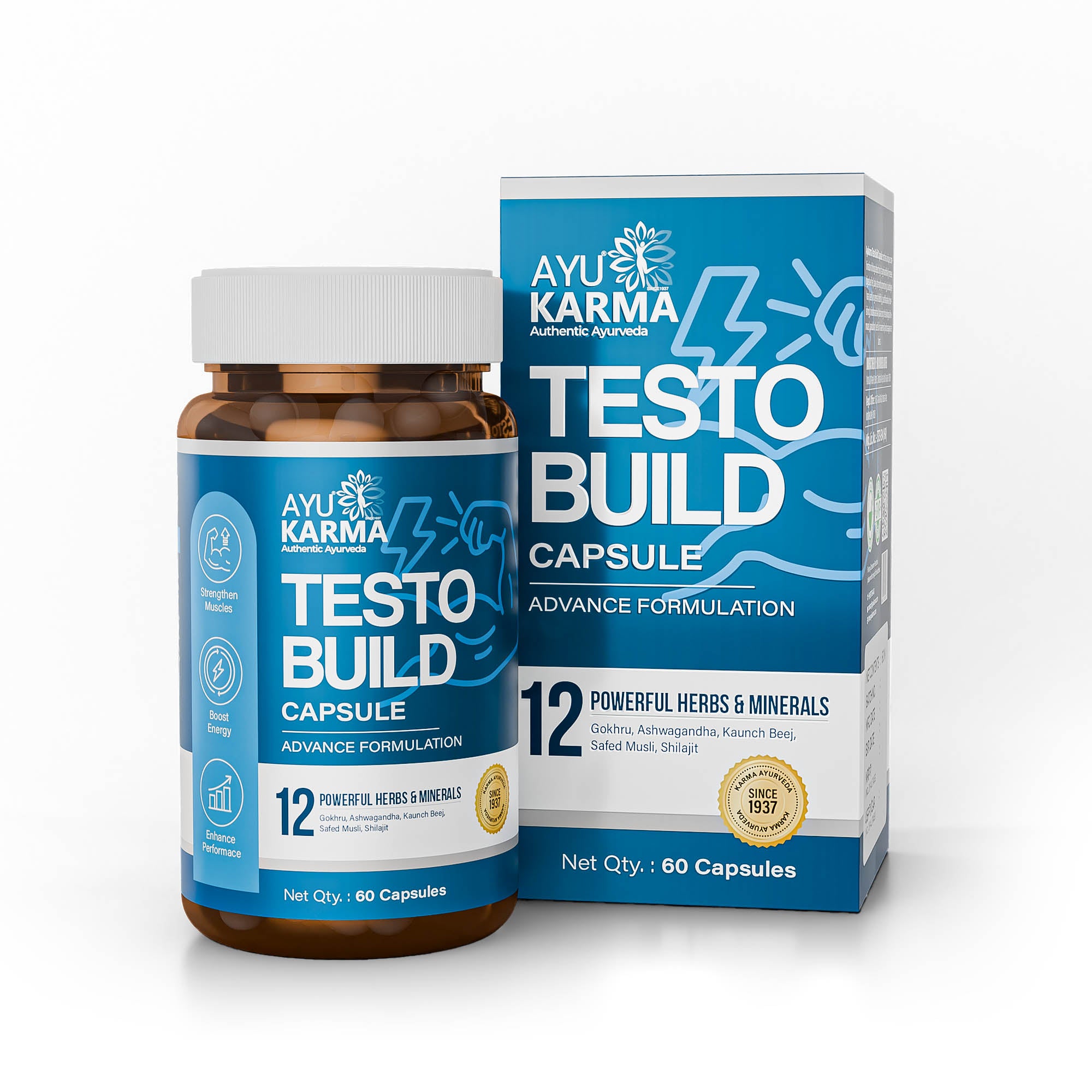
AyuKarma Testo Build Capsules combine 12 Ayurvedic herbs and minerals to support strength, energy, stamina, physical performance, nourishment and overall daily vitality.

AyuKarma Hair Lush Capsules combine Ayurvedic herbs to support hair growth, reduce hair fall, strengthen roots, nourish the scalp and promote healthier-looking hair.
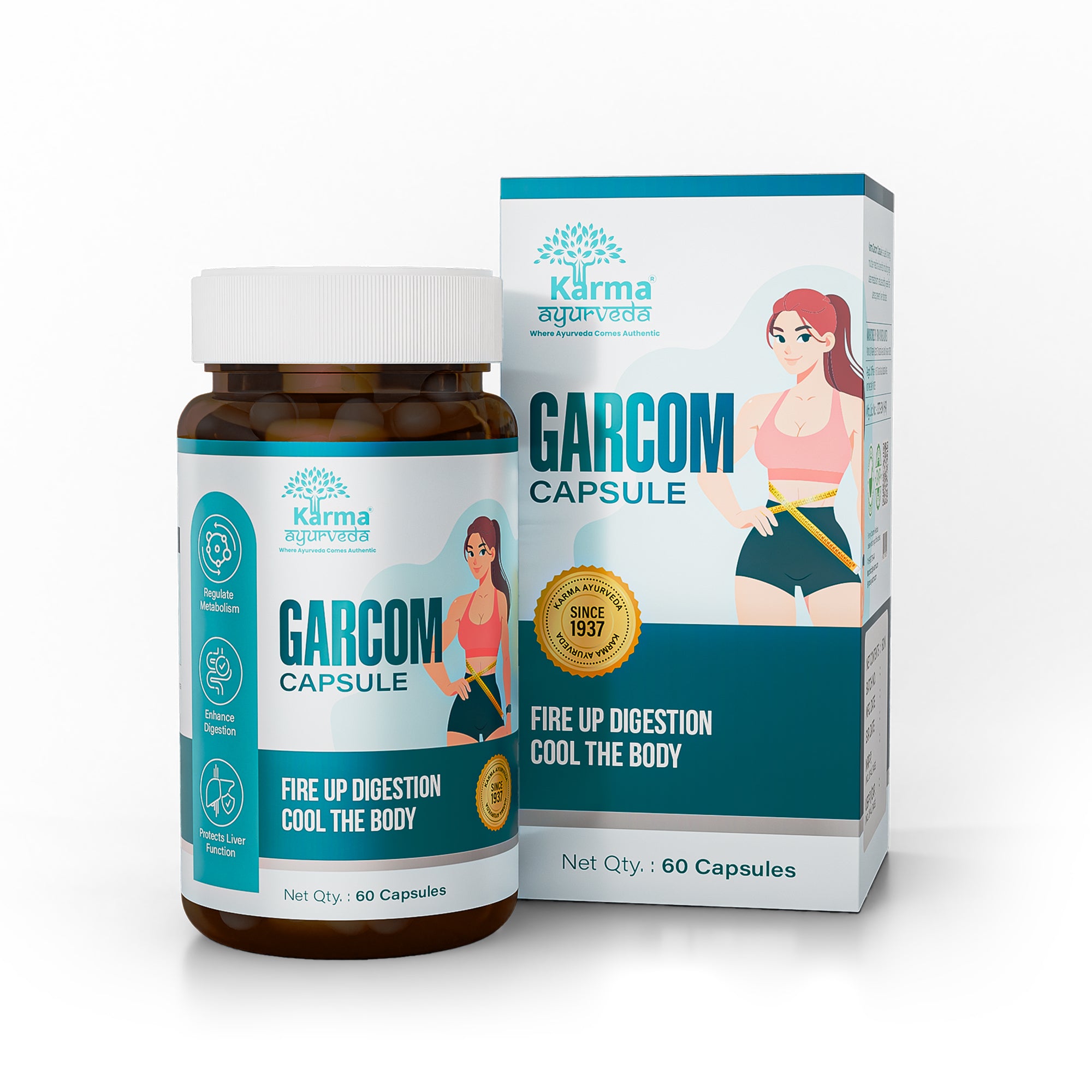
Karma Garcom Capsules contain Garcinia indica to support healthy metabolism, digestion, weight management, digestive comfort and daily wellness alongside a balanced lifestyle.
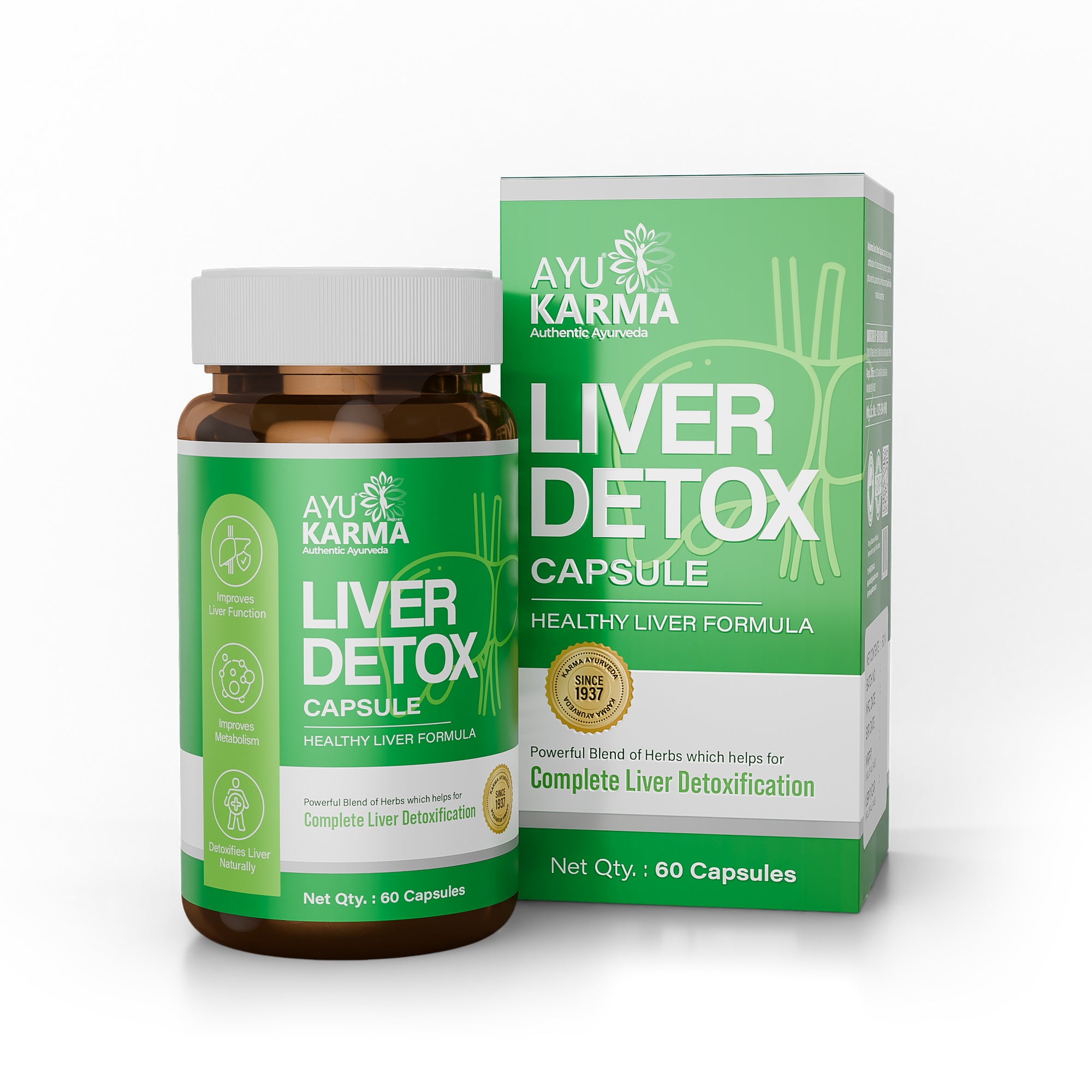
Doctor-recommended liver supplement that helps detoxify the liver, support healthy cholesterol, improve digestion & promote liver health. Developed by Dr. Puneet Dhawan with Karma Ayurveda philosophy.
Second Floor, 77, Block C, Tarun Enclave, Pitampura, New Delhi, Delhi, 110034

Certificate no- AH-2023-0186
JAN 05, 2026 - JAN 04, 2029

US FDA Reg. No.: 14568299376