Unlocking Wellness Naturally
100% Ayurvedic Treatment

.webp)
If you’ve ever had kidney stones, you already know one thing very clearly: they are rude. No warning, no apology, just pain that makes you question every food choice you’ve ever made. And if you haven’t had them but your doctor casually mentioned, “You might be prone to kidney stones,” congratulations; you’ve unlocked a new life mission: protect your kidneys like they’re VIP guests. Along with medical guidance and options like Ayurvedic treatment for kidney stones, diet becomes your strongest daily defense.
The good news? Food plays a massive role in preventing kidney stones. The bad news? No, this doesn’t mean surviving on boiled vegetables and sadness. With the right approach, including Natural treatment for kidney stones, you can eat well, enjoy food, and still keep stones far, far away from your kidneys.
Let’s talk about the best diet for kidney stones in very simple language; no medical drama, no complicated charts, and definitely no fear-mongering.
If kidney stones had an enemy, water would be wearing a cape.
Most kidney stones form because urine becomes too concentrated. Translation? Not enough water. When you don’t drink enough fluids, minerals stick together, throw a party, and boom; stone formation. Hydration is also a key part of kidney stones Ayurvedic treatment, as it supports natural detoxification.
Try to drink enough water so your urine looks pale yellow. If it’s dark, your kidneys are silently begging you for hydration. And no, tea, coffee, and soda don’t get full marks here. Plain water is the real hero.
If plain water feels boring, add a slice of lemon. Lemon contains citrate, which helps stop stones from forming. Think of it as water with a tiny bit of kidney protection bonus.
Many people think kidney stones mean you should completely avoid calcium. That sounds logical; but it’s actually wrong for most people.
Calcium in food helps bind oxalates in the gut so they don’t reach the kidneys. Less oxalate reaching the kidneys means fewer chances of stone formation. This principle is often emphasized in Ayurvedic treatment for kidney stones, where balance is everything.
Good natural sources of calcium include milk, curd, paneer, buttermilk, and homemade yogurt. The key is moderation. Don’t overdose on supplements unless your doctor tells you to.
So yes, you can still enjoy your curd. Your kidneys are not judging you for it.
Oxalates are natural compounds found in many healthy foods. The problem starts when oxalates team up with calcium inside the kidneys instead of inside the stomach.
Foods high in oxalates include spinach, beetroot, nuts, chocolate, soy products, and certain seeds. This doesn’t mean you must ban them forever. It just means moderation matters, especially when planning a long-term kidney stone diet chart.
Instead of eating a giant bowl of spinach every day, mix it up. Pair oxalate-rich foods with calcium-rich foods so they neutralize each other before causing trouble.
Too much salt increases calcium in urine, which increases the risk of stones. Simple math, annoying reality.
Indian diets often contain excess salt through pickles, papads, packaged snacks, and restaurant food. Reducing sodium is a must when following a kidney stone prevention diet.
Try cooking more at home, taste food before adding extra salt, and remember that less salt doesn’t mean less flavor; your kidneys prefer peace.
Protein is important. But excess animal protein can increase uric acid and reduce citrate levels; both raise stone risk.
This doesn’t mean you need to quit dal, eggs, or chicken completely. It simply means portion control matters, especially when deciding the best diet for kidney stones.
Plant-based proteins like lentils and beans are gentler on the kidneys when eaten wisely. Balance always beats extremes.
Fresh fruits and vegetables help maintain healthy urine pH and reduce stone formation naturally.
Bananas, apples, papaya, pears, watermelon, cucumber, bottle gourd, and pumpkin are excellent choices. They are often recommended in the diet to prevent kidney stones because they hydrate and nourish without stressing the kidneys.
Excess sugar increases calcium excretion, while processed foods hide salt and preservatives. These are classic examples of foods to avoid kidney stones.
This doesn’t mean you can never enjoy sweets. It simply means daily packaged junk food is not your kidney’s love language. Homemade meals work better for long-term kidney health.
Moderation is key.
Too much cola increases stone risk due to phosphoric acid, while excessive tea intake adds oxalates. Coffee is generally fine, but water should still be your main beverage.
Not all kidney stones are the same. Calcium oxalate, uric acid, and cystine stones each require a slightly different dietary approach.
This is why personalized guidance matters. Many patients seek expert advice at places like Karma Ayurveda Hospital, under the guidance of Dr. Puneet Dhawan, to understand which foods suit their specific condition.
The best diet for kidney stones is not about fear, restriction, or food guilt. It’s about understanding your body, drinking enough water, eating balanced meals, and making mindful daily choices.
You don’t need extreme diets. You don’t need to panic over every meal. Small, consistent habits matter more than occasional indulgences.
Treat your kidneys kindly. Feed them well. And remember; stones belong in rings and roads, not inside you.
A diet rich in fluids, fruits, vegetables, and low in salt helps prevent kidney stones.
Avoid high-salt foods, excess protein, and oxalate-rich foods like spinach and nuts.
Yes, a proper kidney stone prevention diet can reduce stone formation naturally.
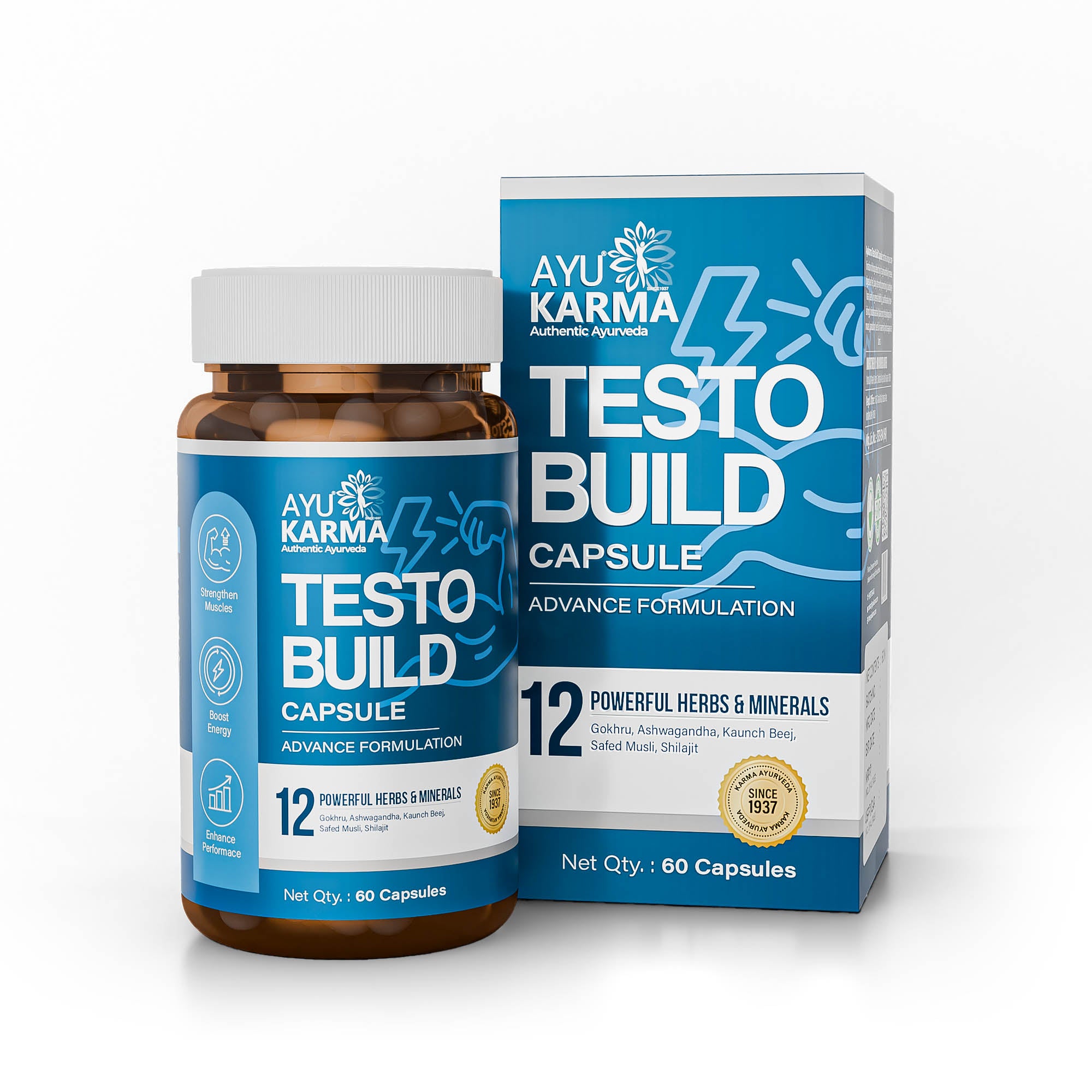
AyuKarma Testo Build Capsules combine 12 Ayurvedic herbs and minerals to support strength, energy, stamina, physical performance, nourishment and overall daily vitality.
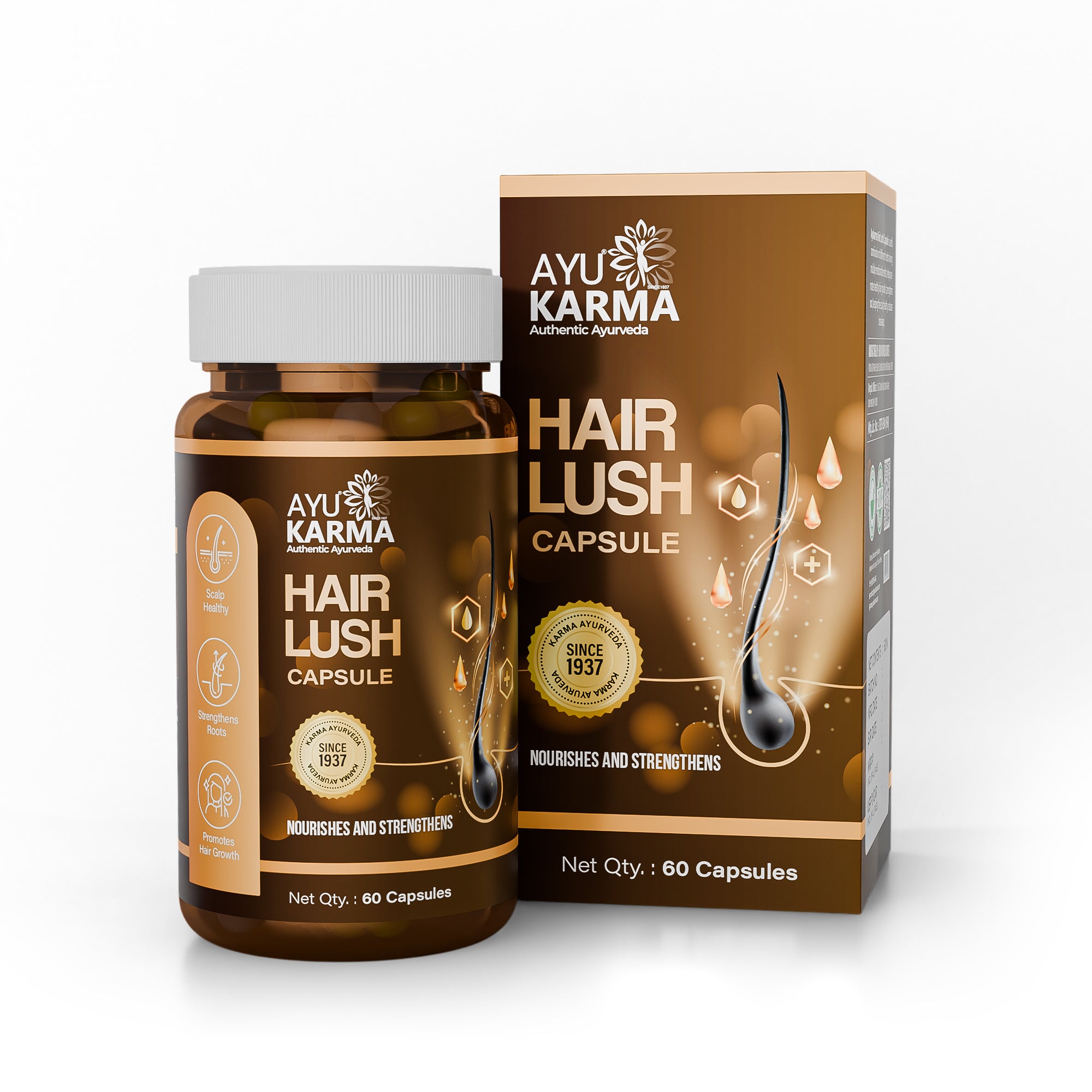
AyuKarma Hair Lush Capsules combine Ayurvedic herbs to support hair growth, reduce hair fall, strengthen roots, nourish the scalp and promote healthier-looking hair.
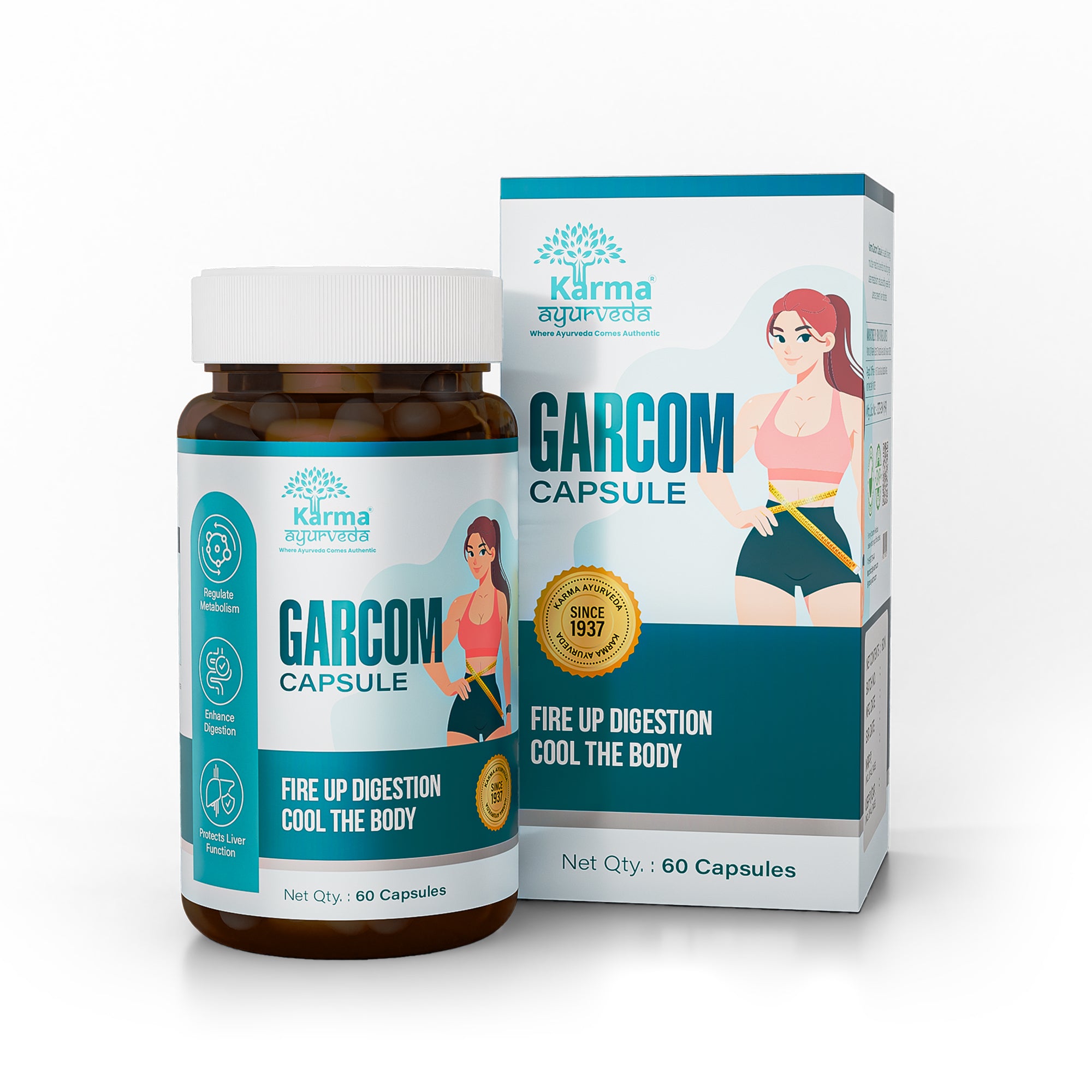
Karma Garcom Capsules contain Garcinia indica to support healthy metabolism, digestion, weight management, digestive comfort and daily wellness alongside a balanced lifestyle.
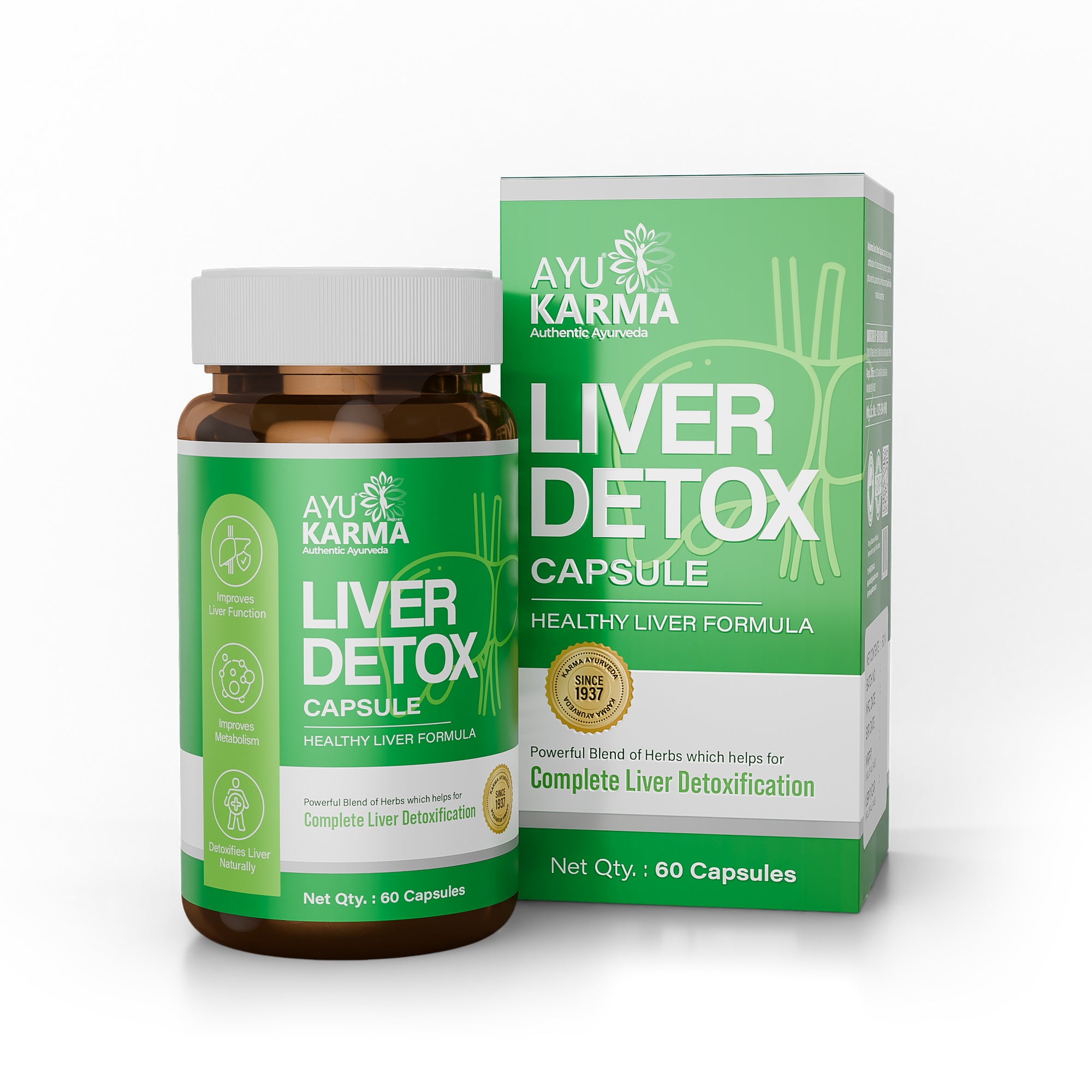
Doctor-recommended liver supplement that helps detoxify the liver, support healthy cholesterol, improve digestion & promote liver health. Developed by Dr. Puneet Dhawan with Karma Ayurveda philosophy.
Second Floor, 77, Block C, Tarun Enclave, Pitampura, New Delhi, Delhi, 110034

Certificate no- AH-2023-0186
JAN 05, 2026 - JAN 04, 2029

US FDA Reg. No.: 14568299376