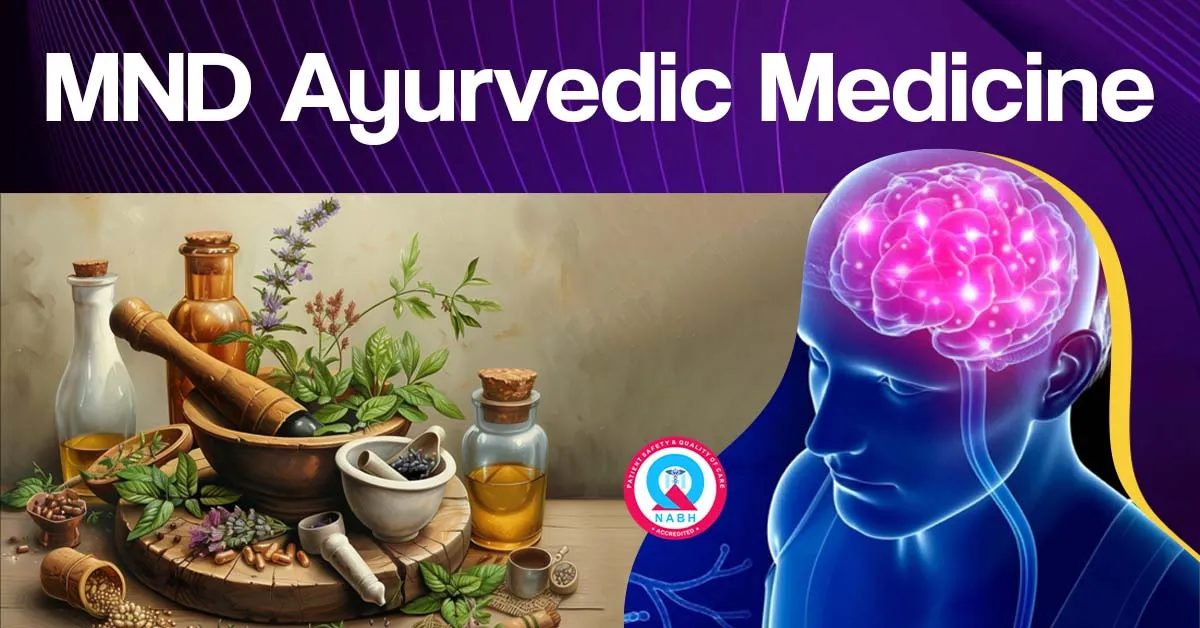
When someone hears the term MND, it can feel heavy. MND stands for Motor Neuron Disease, and yes, it’s a serious condition. But today, let’s talk about it in a calm, simple, and hopeful way; especially from an Ayurvedic point of view. No medical jargon that sounds like it came from a robot. Just real talk.
Motor Neuron Disease affects the nerves that control our muscles. Over time, it can make movements like walking, talking, or even holding a cup of tea more difficult. The most common form of MND is Amyotrophic Lateral Sclerosis (ALS). You might have heard of it during the famous ice bucket challenge years ago.
Now, let’s be clear; Ayurveda does not claim a magical overnight cure. If that existed, we’d all be celebrating with laddoos. But Ayurveda focuses on supporting the body, slowing degeneration, improving quality of life, and strengthening what’s still working. And that matters a lot.
In Ayurveda, MND is generally connected with aggravated Vata dosha. Vata is the energy responsible for movement in the body; breathing, blinking, muscle movement, nerve impulses. When Vata goes out of balance (which it loves to do when stressed, overworked, or aging), it can affect the nervous system.
Ayurveda classifies such conditions under “Vata Vyadhi,” which refers to neurological disorders caused by disturbed Vata. So instead of looking at MND as just damaged neurons, Ayurveda sees it as a systemic imbalance that needs calming, nourishing, and grounding.
Think of it like this; if your body were a house, Vata is the wind. A little breeze? Nice. A storm? Not so nice.
The Ayurvedic approach to Motor Neuron Disease treatment in Ayurveda focuses on three main goals:
First, herbs. Ayurveda uses specific herbs known for supporting the nervous system. Ashwagandha is one of the most popular ones. It helps reduce stress and supports muscle strength.
Brahmi is another well-known herb for brain and nerve support.
Then there’s Bala and Kapikacchu, often used to improve muscle strength and nerve function. These herbs are usually given in carefully prepared formulations based on the patient’s condition. That’s why consulting a qualified Ayurvedic doctor is very important. Centers like often design personalized treatment plans after understanding the patient’s full health history rather than just focusing on one diagnosis.
Second, therapies. Oil therapies are extremely important in Vata disorders.
Abhyanga (medicated oil massage) helps improve circulation and reduce stiffness.
Shirodhara (warm oil poured on the forehead) may help calm the nervous system and reduce anxiety.
Panchakarma treatments may be suggested in some cases, but only under proper supervision.
You can’t talk about Ayurvedic treatment for MND without talking about food and routine.
In Vata disorders, the body needs warm, nourishing, easy-to-digest food. Instead, think warm khichdi, soups, ghee, cooked vegetables, and herbal teas.
Regular meal timings matter. Sleep matters. Even your stress levels matter. Ayurveda believes healing doesn’t only come from a bottle of herbs; it comes from daily habits.
Modern medicine currently does not have a complete cure for MND either. Treatments mainly focus on managing symptoms and slowing progression.
Ayurveda’s goal in natural treatment for Motor Neuron Disease is to improve strength, reduce complications, enhance comfort, and support mental well-being. Some patients report better energy levels, improved digestion, better sleep, and slower progression when following a consistent Ayurvedic plan under expert guidance from experienced practitioners such as Dr. Puneet Dhawan.
But it’s important to consult qualified Ayurvedic doctors and not self-medicate.
Living with MND is not just physical. It’s emotional.
Ayurveda strongly believes in mental balance. Practices like meditation, gentle breathing exercises (like Anulom Vilom), and guided relaxation can support emotional stability.
Many patients and families look for alternatives when they feel limited by conventional treatment options.
Ayurveda offers a personalized approach. No two patients are treated exactly the same.
Ayurveda does not have to replace modern treatment. Many patients use it as a complementary approach alongside neurologist care.
MND is a challenging condition. But Ayurveda offers a supportive, nurturing, and holistic path that focuses on strength, balance, and quality of life.
With the right guidance, balanced lifestyle, nourishing diet, calming therapies, and appropriate herbs, Ayurveda can become a meaningful part of the journey toward better comfort and improved well-being.
Ayurveda does not claim a permanent cure for MND, but MND Ayurvedic medicine may help manage symptoms, slow progression, improve strength, and enhance overall quality of life through natural therapies and herbs.
The best Ayurvedic treatment for MND usually includes Vata-balancing herbs like Ashwagandha and Brahmi, medicated oil therapies, Panchakarma (if advised), and a nourishing diet plan tailored to the patient.
Yes, Ayurvedic medicine for ALS can be safe when taken under the supervision of a qualified Ayurvedic doctor, especially when used alongside conventional medical care.
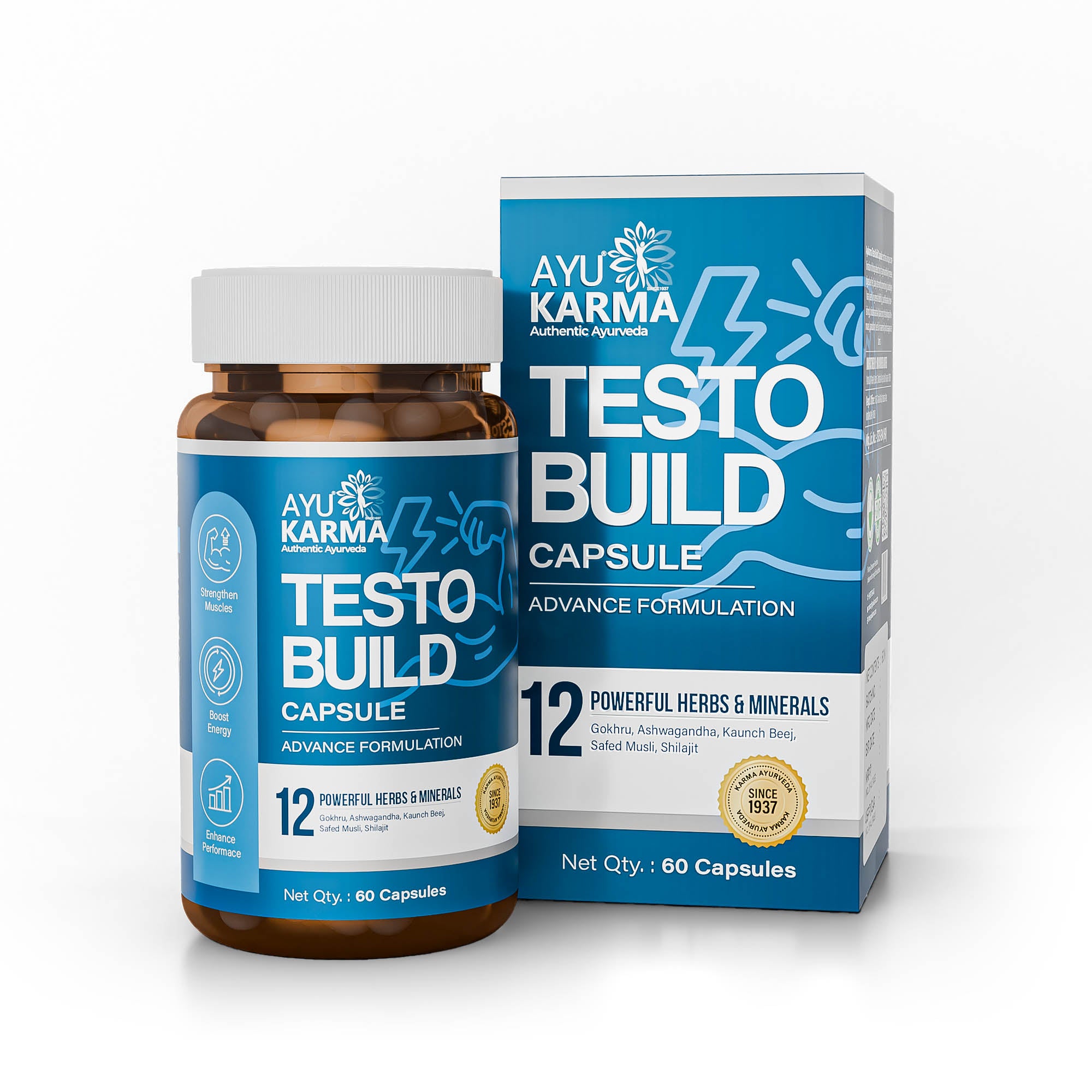
AyuKarma Testo Build Capsules combine 12 Ayurvedic herbs and minerals to support strength, energy, stamina, physical performance, nourishment and overall daily vitality.
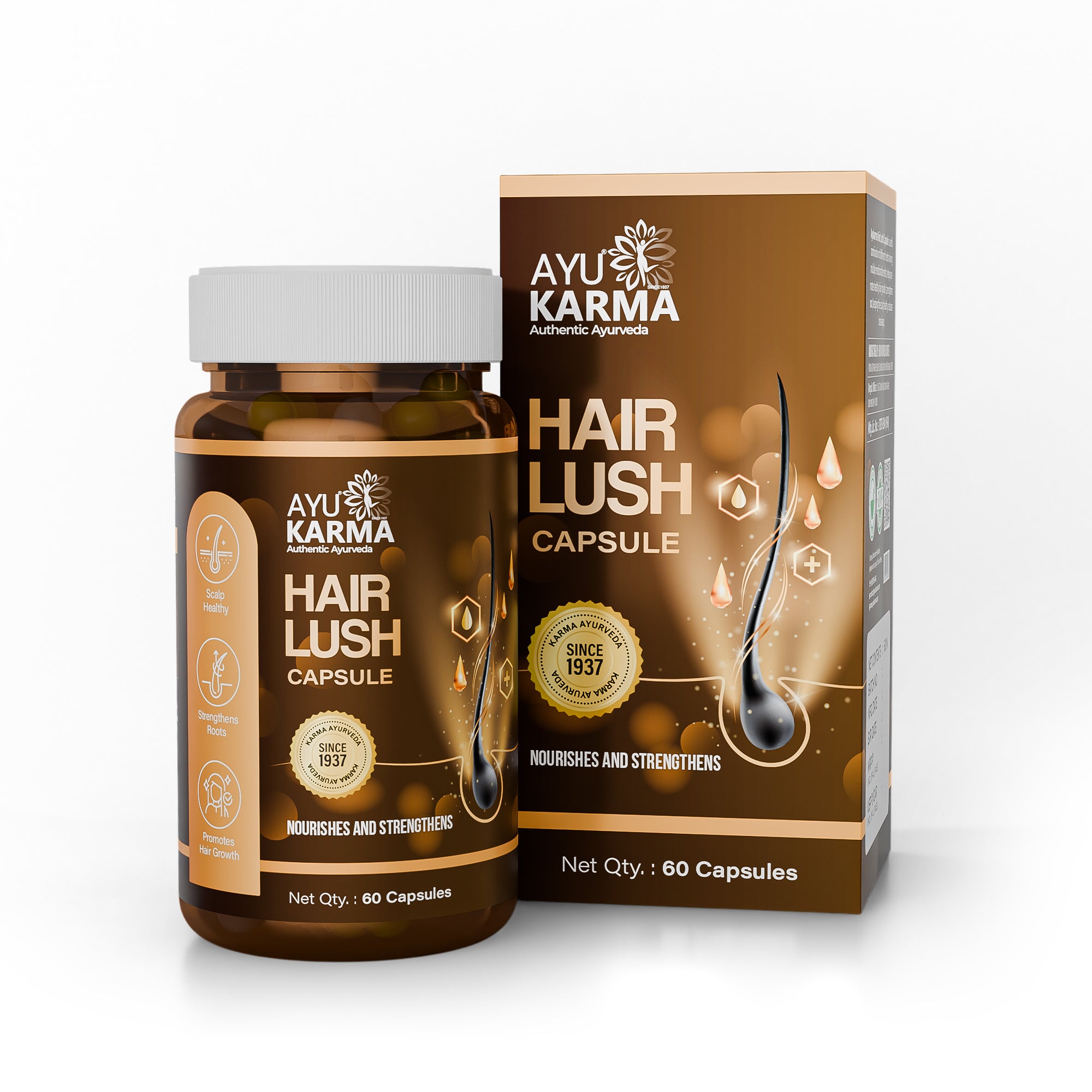
AyuKarma Hair Lush Capsules combine Ayurvedic herbs to support hair growth, reduce hair fall, strengthen roots, nourish the scalp and promote healthier-looking hair.
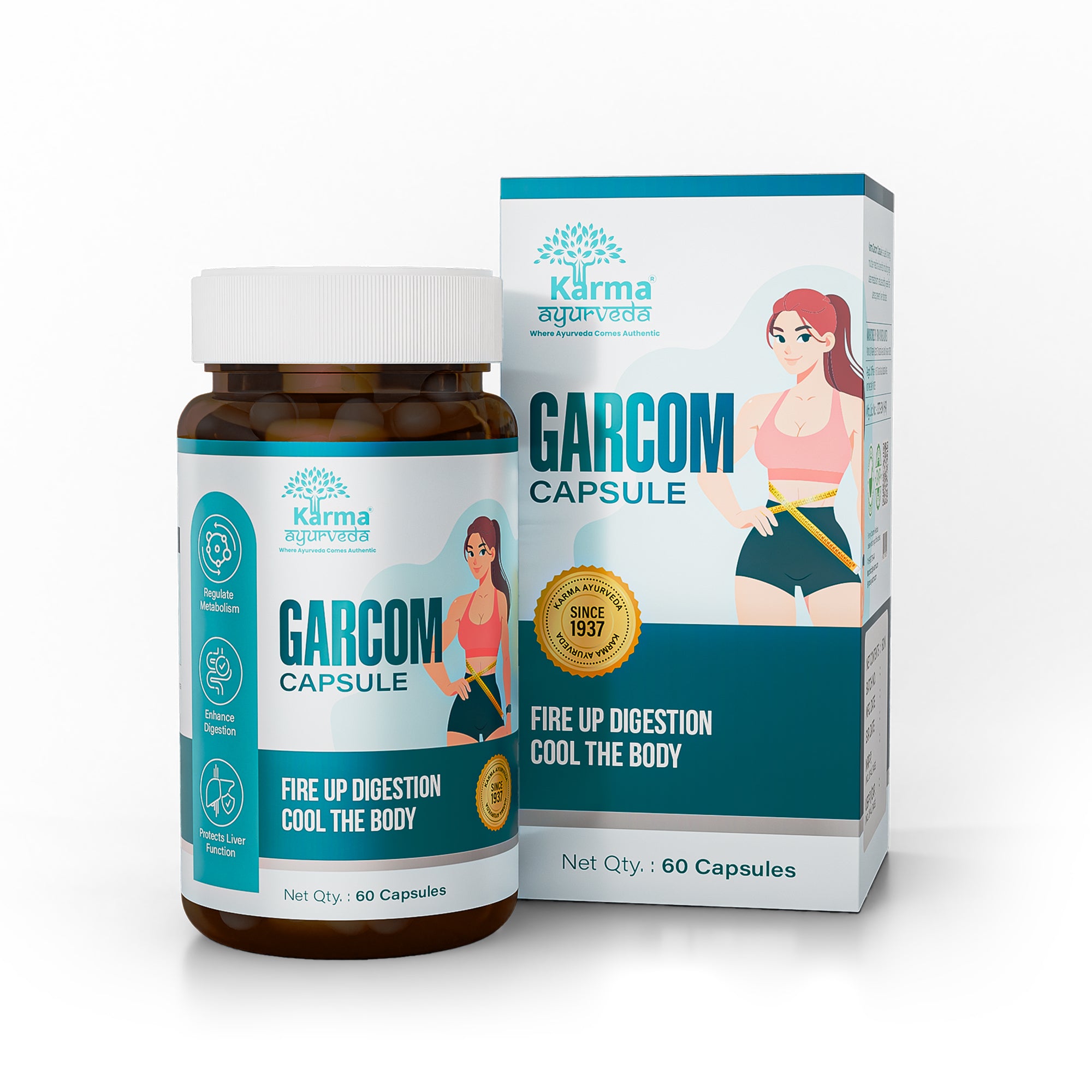
Karma Garcom Capsules contain Garcinia indica to support healthy metabolism, digestion, weight management, digestive comfort and daily wellness alongside a balanced lifestyle.
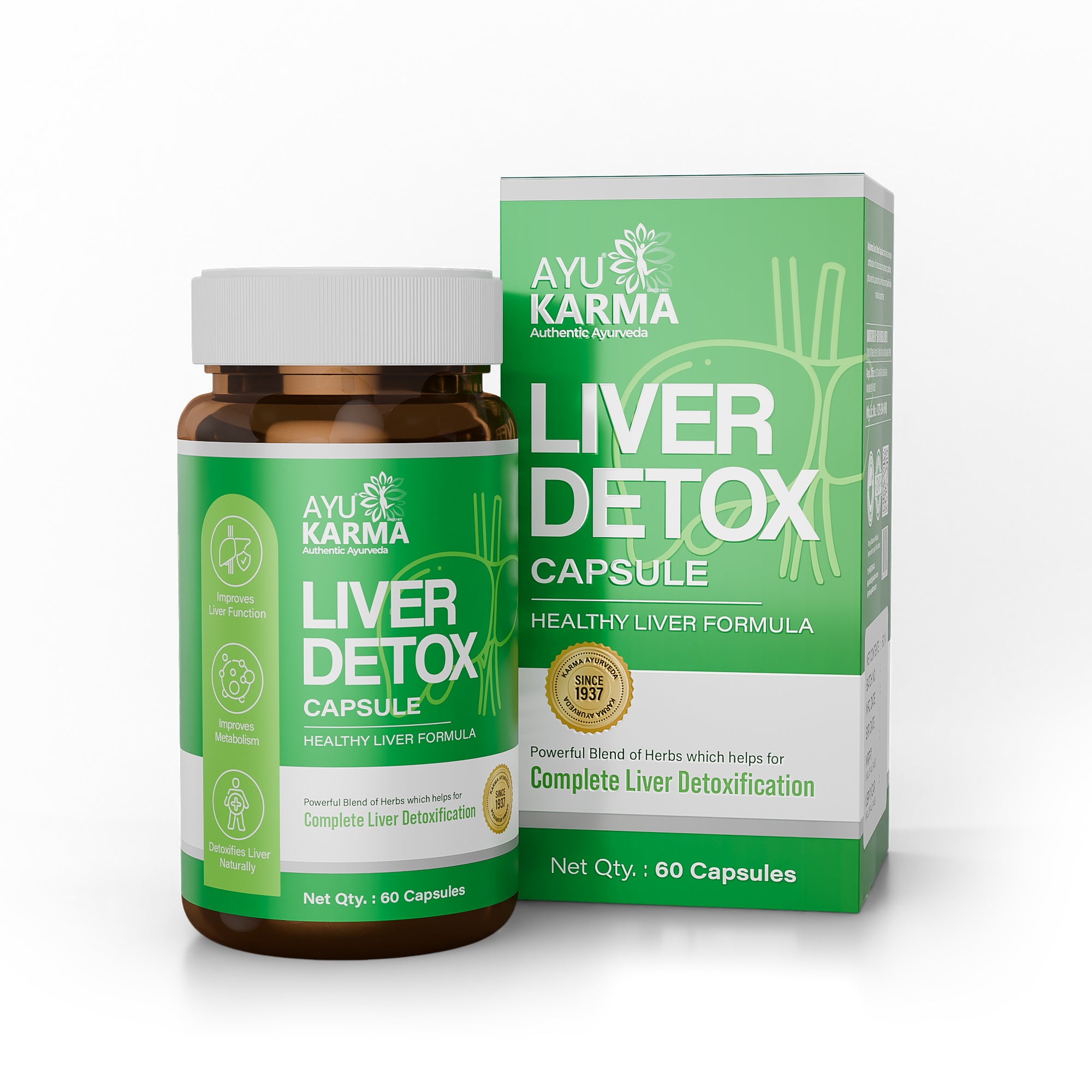
Doctor-recommended liver supplement that helps detoxify the liver, support healthy cholesterol, improve digestion & promote liver health. Developed by Dr. Puneet Dhawan with Karma Ayurveda philosophy.
Second Floor, 77, Block C, Tarun Enclave, Pitampura, New Delhi, Delhi, 110034
Certificate no- AH-2023-0186
JAN 05, 2026 - JAN 04, 2029
US FDA Reg. No.: 14568299376